Beat Rock Hard Platformer in 2 hours or get a refund
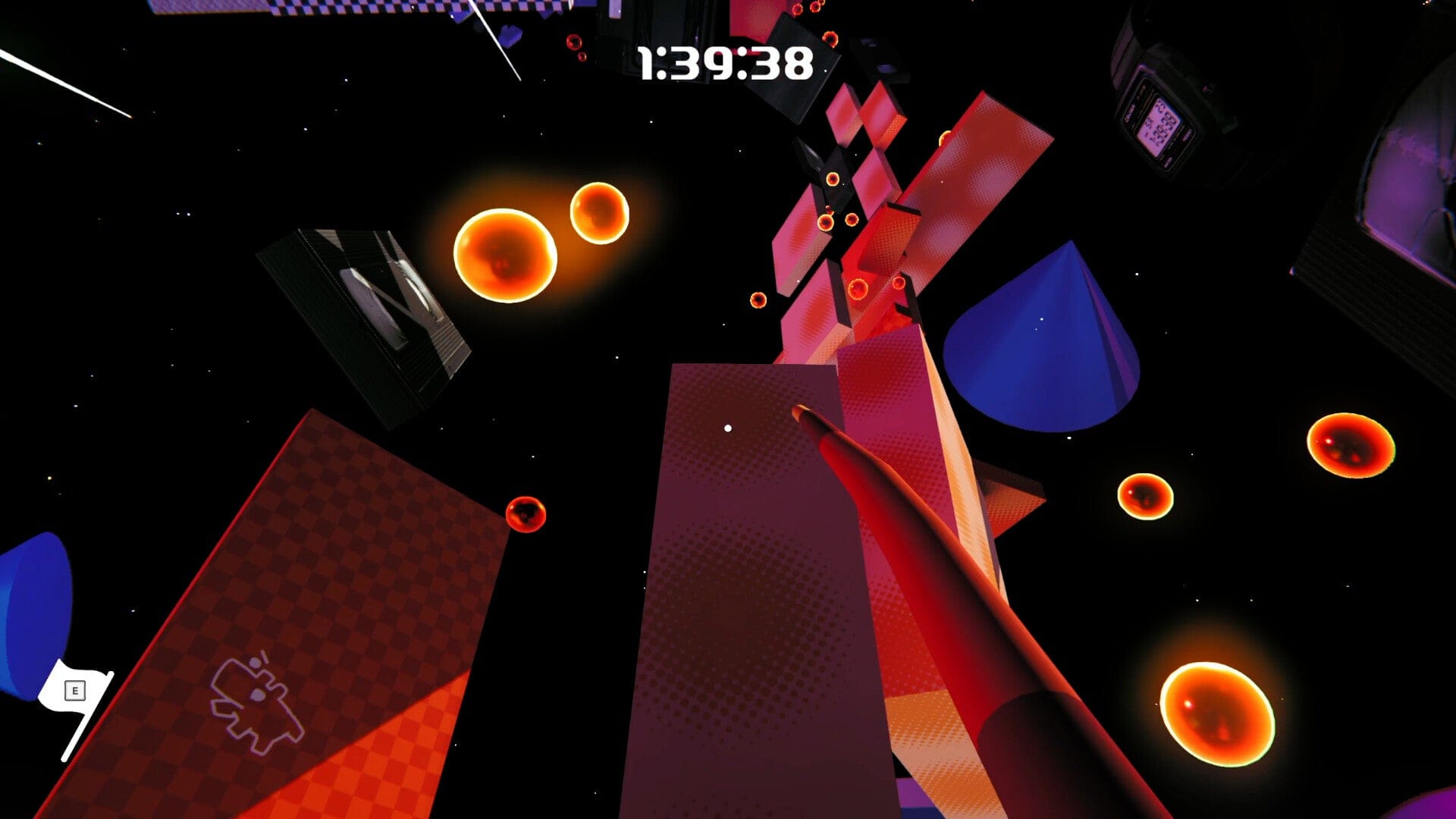
The art of frustration, when channeled correctly, can be a truly addictive experience. Developers have once set the bar for pure, unadulterated chaos in the realm of 3D platformers with titles like Getting Over It, but a new game has taken that chaotic energy and twisted it into a meta-challenge: the quest to earn a refund.
This is the premise behind Refund This Game, a challenging 3D platformer where the objective isn’t just to reach the summit, but to accomplish it in under two hours. The developers cleverly framed the game as a sprint, pushing players to test their limits in a psychedelic cyberspace of shapes and colors, relying on pole vaulting and daring flings to navigate the course.
The twist lies in the reward: successfully completing the challenge allows players to legitimately request a refund, adhering to Valve’s own Steam refund policy. The developers positioned the game’s goal as a direct challenge: “Fling yourself up to the top in this Getting Over It-like 3D platformer!” they wrote, encouraging players to attempt the feat and claim their money back.
Beyond the immediate gameplay, the game incorporates a single checkpoint, which players must strategically place, adding another layer of puzzle-solving to the high-speed dash. This design, combined with the time limit, transforms the experience from a mere game into a calculated exercise in speed and strategy.
While the mechanic is undeniably fun, it sparked a wider conversation about the ethics and application of Steam’s refund policies. This discussion gained momentum in July this year, following a post from a developer who highlighted the discrepancy between positive player reception and the actual refund rates.
The numbers paint an interesting picture. Despite the game enjoying a 90% Very Positive rating on Steam, the refund rate stood at just 21%. This figure is even more striking when considering the total volume: over 55,000 refunds have been processed, demonstrating how the system operates in practice.
This situation brings up a larger industry debate: the fairness of the two-hour refund policy. While the policy is certainly beneficial for consumers, critics argue that it disproportionately impacts smaller independent developers. These small teams, which often create unique, bite-sized indie games, are caught in a system where they face a higher risk of financial loss compared to mammoth triple-A titles that tend to navigate the policy with greater ease.
The tension between player enjoyment and corporate policy is palpable. Some players, upon receiving their refunds, offered a cautionary note to the community, suggesting that those who genuinely enjoyed the game should reconsider the act of refunding. The core issue remains finding a balanced approach—one where consumer satisfaction and developer livelihood coexist smoothly within the digital marketplace. The debate is far from over, and it continues to shape how we interact with digital content.
Buy on Amazon
Credit
