
BioWare leader argues EA thought Dragon Age was too old-school
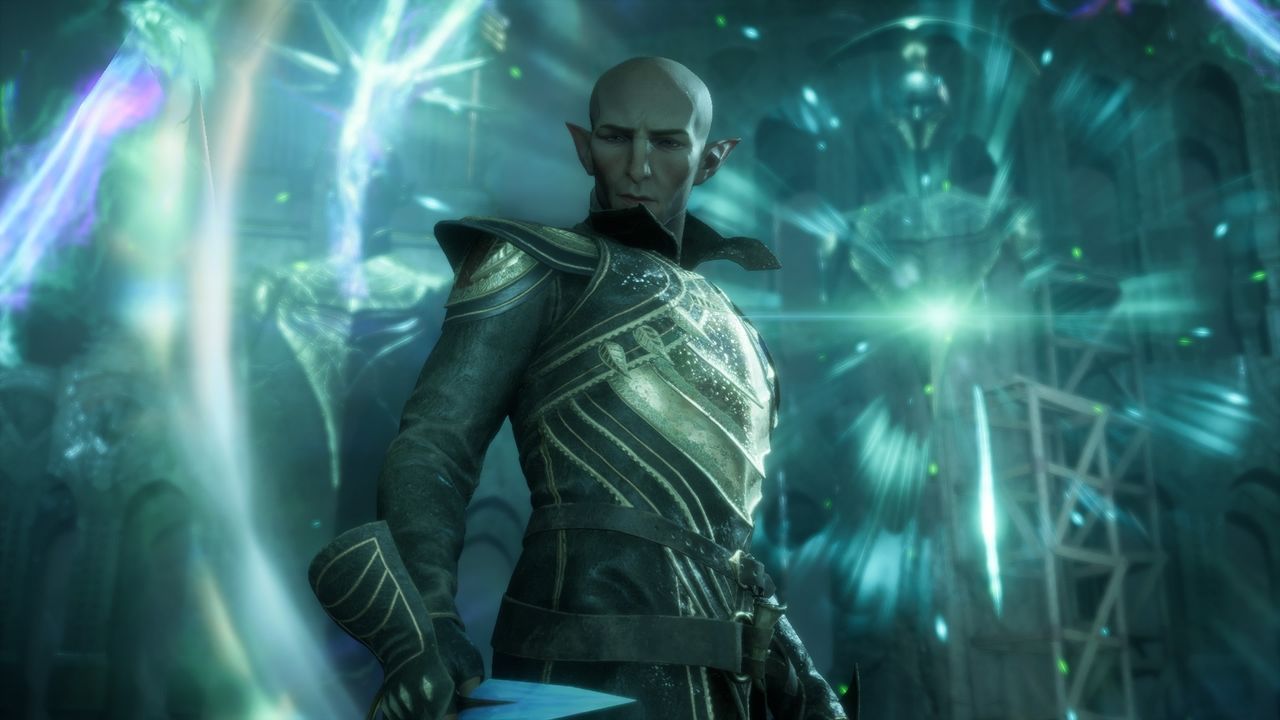
The relationship between creative vision and corporate strategy in the gaming world often involves a painful collision, especially when niche fantasy worlds meet the demands of mass-market publishers. In the case of the Dragon Age franchise, that collision led to years of reported intervention, fundamentally reshaping the trajectory of beloved titles like Dragon Age: The Veilguard.
Former BioWare producer Mark Darrah offers a candid perspective on this dynamic. Speaking about his experience working with franchises like Dragon Age and Mass Effect, he suggests that large publishers often struggle to grasp the appeal of deep, tactical role-playing games compared to more immediately accessible action titles. Darrah observed that the disparity in how these franchises were perceived by executives often dictated the creative direction of the series.
“I think you see it in the way that EA interacted with the two franchises,” he explained. “If you are not a person who plays CRPGs, it’s very hard to look at a game like Dragon Age or Baldur’s Gate 1 and 2 and understand why anyone would want to play this nerdy piece of garbage. Whereas they look at something like Mass Effect and go, ‘OK, it’s a Star Wars game.’ Like, I get it, even that might be too nerdy for me, but I get it.”
This difference in perception—between the hardcore tactical nature of Dragon Age and the action-oriented appeal of titles like Mass Effect—created friction. The core issue, Darrah noted, was a lack of understanding regarding why players would choose deeply complex, tactical gameplay over more mainstream offerings.
The pressure to shift this narrative manifested throughout the franchise’s history. While Dragon Age: Origins predated some of EA’s involvement, the corporate viewpoint increasingly framed the series as “too niche, too backwards, too old-school.” This external demand for a different kind of game inevitably affected how subsequent titles were developed and marketed.
This tension played out in later installments. The development history of Dragon Age 4, for example, saw the project pause before being rebooted into a live-service multiplayer experience. This shift reflected an attempt to reposition the game toward broader, more accessible engagement.
Ultimately, this cycle of corporate maneuvering left lasting impacts. Even when facing challenges in bringing new visions to life, the core elements of the franchise remained fiercely debated within the industry. As former lead David Gaider put it, while the path forward might seem conventional, giving him the keys to the RPG allowed him to take the game somewhere “dark” and encourage him to do things that would inevitably make people upset.
Buy on Amazon
Credit