Blizzard’s StarCraft Shooter reveal explained
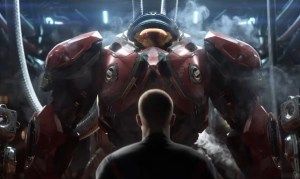
The news surrounding the next installment of the StarCraft universe—an open-world shooter—did not come as a complete surprise at BlizzCon. What is genuinely intriguing, however, is the timeline: the game is slated for release in 2030. This long lead time raises questions about the creative process, especially given how other developers often lament announcing their projects too soon.
When asked why Blizzard revealed such a distant date, GM Dan Hay offered a candid explanation rooted in the desire for emotional resonance. He stated that the decision to wait was based on feeling that they had developed enough content, story, and world-building to feel ready for public sharing. As Hay put it, they felt they had achieved the necessary emotional and creative foundation before seeking external feedback.
“We felt like we had enough to show,” Hay explained. “There is a moment when you are building a game, and you ask, ‘Have we landed the emotion? Do we feel like we have enough of the verve, the identity, and the feel of it to start to share it?’ We wanted to be in a place where we could get feedback on how players felt about the vision.”
This philosophy suggests a deliberate focus on crafting an experience, rather than rushing the reveal. Rather than simply showing mechanics, the initial unveiling took the form of an extended cinematic designed to set the mood and establish the world’s atmosphere, allowing the team to build anticipation before revealing specifics on gameplay.
The shift in focus for the new title was equally significant. Where previous StarCraft entries focused on the grand strategic overview—commanding multiple Marines and diverse factions across the battlefield—the new iteration zeroes in on individual survival. The core concept pivots to the player managing a single suit of armor, forcing them to navigate the world and actively protect themselves.
Hay compared this new approach to the experience of first driving a car. It moves the focus from macro-strategy to immediate, personal survival: “What happens when you get this thing and you have to take care of it? What happens when you start to see a world that has opportunity and discovery, but things that you can also pick up and maybe make your armor better? How do you go out into the world and start to take care of this thing and push against it?”
This narrative choice resulted in a darker, grittier, and more high-stakes experience. The creative goal was to introduce a sense of loss and the stark reality of the distance between capability and danger. The teaser imagery captured the raw emotional moment of realizing vulnerability, setting the stage for a story where the stakes are significantly higher.
Ultimately, the decision to target 2030 was about providing the necessary space for this vision to mature, ensuring that when the game finally launches, it is built with the highest level of fidelity and emotional impact possible for the player.
Buy on Amazon
Credit