
Borderlands director says adaptation went wrong because it belonged to nobody
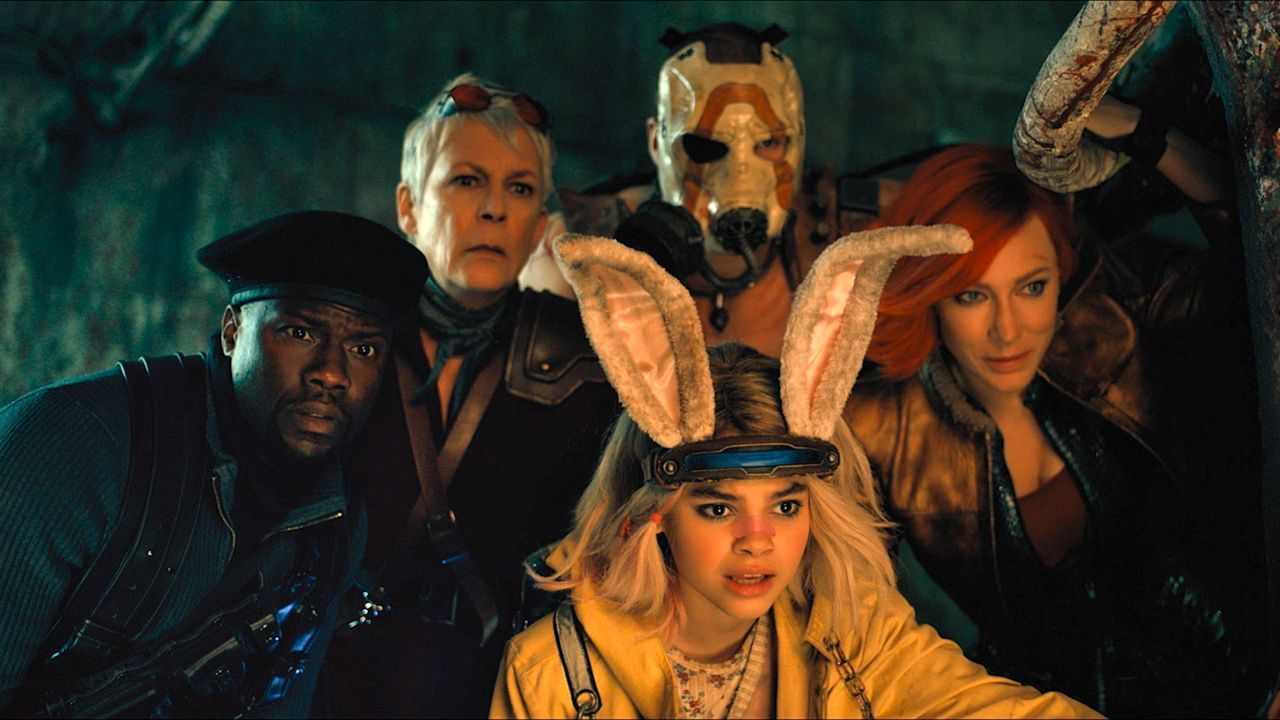
The dream of adapting beloved video games into cinematic experiences often crashes spectacularly, but the fallout from some recent attempts is particularly bitter. The adaptation of Borderlands has served as a stark reminder that translating chaotic, irreverent game worlds into mainstream cinema can be an exercise in frustrating compromise.
Director Eli Roth, who helmed the project, has offered a candid assessment of where things went wrong. With a Rotten Tomatoes score hovering at a mere 10% and a worldwide gross of only $33 million, the film’s performance did not live up to the hype surrounding its star-studded cast, which included names like Cate Blanchett, Jack Black, Kevin Hart, Jamie Lee Curtis, and Ariana Greenblatt.
Roth suggested that the issue often lies with the studio itself. “As things grow bigger, studios just naturally become more risk averse,” he noted. He argued that this aversion to risk pushes creative projects away from truly innovative territory, favoring safer bets over daring artistic visions.
For Roth, his personal filmmaking philosophy centers on doing what is left of center. He felt the adaptation struggled because it attempted to satisfy an impossible mandate: appealing to every audience while retaining the necessary irreverence that defines gaming culture. This resulted in a film that was neither fish nor fowl—a creative middle ground that ultimately lacked distinct identity.
The core struggle, Roth suggested, came down to managing expectations surrounding violence and tone. The games are known for their level of humor and action, but fitting this into a PG-13 framework proved difficult. The need to temper the intensity for commercial viability meant watering down elements that made the source material compelling.
This tension highlights a common hurdle in video game adaptations: balancing the established, chaotic nature of the source material with the commercial demands of Hollywood. It is challenging to translate the specific sensibilities of gaming—which often embrace extreme humor and action—into a format acceptable to a broader cinematic audience without diluting the original experience.
Despite the critical and commercial disappointment surrounding Borderlands, the promise of video game cinema remains incredibly bright. Other adaptations are proving that when creators manage their vision effectively, the future is full of groundbreaking content. Titles like The Legend of Zelda movie and the upcoming God of War TV show demonstrate that audiences are hungry for high-quality, immersive adaptations.
These emerging projects suggest that as studios learn to embrace risk and trust creators to deliver authentic vision, we can expect a new wave of cinematic entertainment born from the vibrant worlds of video games.
Buy on Amazon
Credit