
Borderlands Flop: Director Reveals What Went Wrong
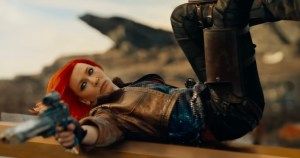
When $120 Million Crashed: The Battle for Vision Behind the Borderlands Movie
The 2024 cinematic event <Borderlands> arrived packed with big names, Oscar winners, and the promise of a beloved franchise. Yet, instead of delivering spectacle, the film became a critical and commercial disappointment. So, what went wrong when ambition met the machinery of Hollywood?
Director Eli Roth, who helmed the project, suggested that the massive undertaking—a film that cost $120 million to produce—was ultimately pared back to a version that strayed from his original vision. He noted that as projects grow larger, studios naturally become more risk-averse, often seeking a safer middle ground.
Behind the scenes, studio executives pushed for changes, specifically demanding a PG-13 rating and various content alterations to secure approval. The final product, Roth admitted, was something that “belonged to nobody.”
The struggle wasn’t unique to Borderlands. It highlighted a tension between commercial demands and artistic integrity. Roth expressed frustration that the movie was trying to appeal to everyone—gamers, but avoiding the extreme violence gamers often crave because of budgetary constraints. The result was a film that ended up neither fish nor fowl.
The cast included notable figures such as Cate Blanchett as Lilith and Jack Black voicing Claptrap, alongside actors like Kevin Hart and Jamie Lee Curtis. This high-profile assembly made the artistic compromises even more glaring.
This experience stands in stark contrast to Roth’s current direction. He recently ventured into his own production company, The Horror Section, bringing his next project, <Ice Cream Man>, to the screen. In this independent venture, Roth is free from studio influence, pursuing stories that align with his specific sensibilities.
Roth has always championed the idea that filmmakers should own their creations fully. He voiced a strong opinion on intellectual property rights, arguing that while novelists own the underlying story, those who write a screenplay do not automatically own everything. For Roth, true creative freedom means having ownership over the narrative, rather than simply handing it over to corporate mandates.
Whether navigating the pressures of massive franchises or pursuing independent visions, the journey reveals a fundamental conflict: the tension between achieving commercial success and maintaining an authentic artistic voice.
Buy on Amazon
Credit