
Crazy Taxi World Tour chaos and the ‘World’ stumble
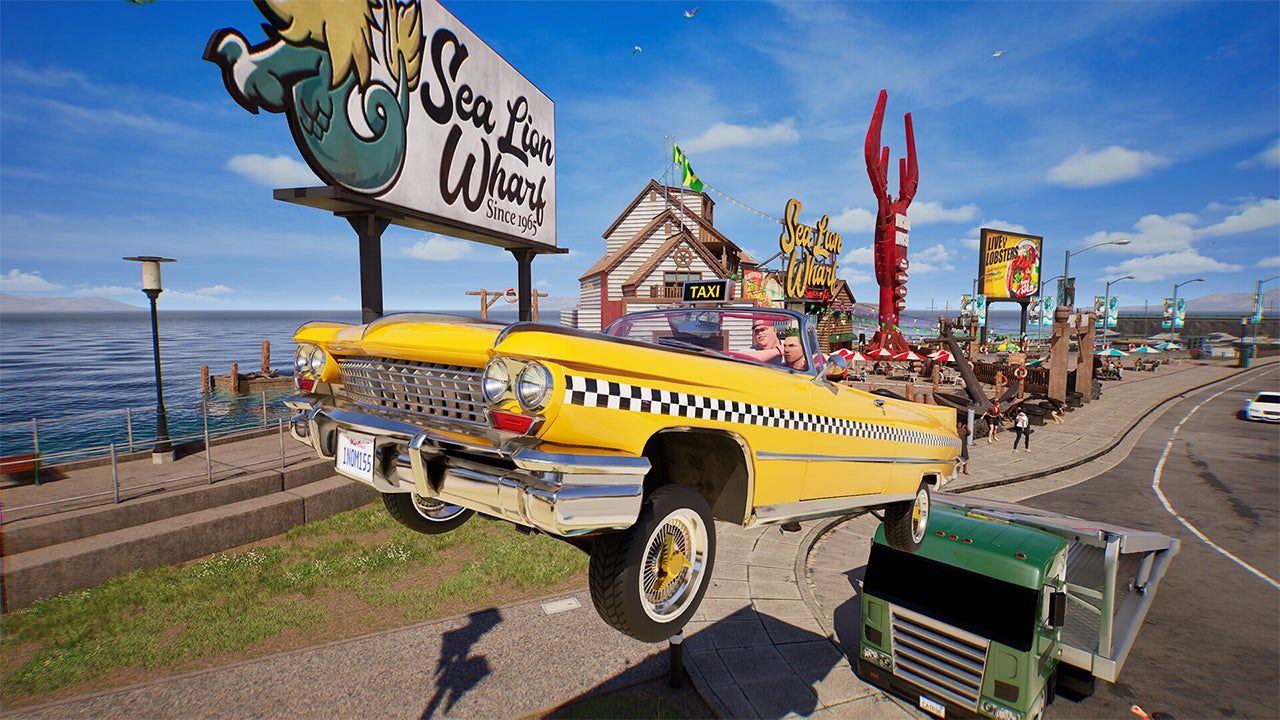
When you think about early 2000s video games, a certain arcade driving experience immediately springs to mind: Crazy Taxi. This iconic game, with its frenetic pace and unforgettable soundtrack, set the gold standard for a specific kind of chaotic fun. Twelve years have passed since that game hit the console, but the spirit of that time-traveling, high-octane thrill remains potent. Recently, Sega brought that spirit back to life with Crazy Taxi: World Tour, an entry that offers a nostalgic ride, though whether it truly captures the promise of a global tour is still up for debate.
The gameplay itself is pure, distilled arcade action. The core mechanics of World Tour deliver the fast-paced driving and sharp turns that define the franchise. Acceleration feels immediate and responsive, and mastering the ability to utilize quick boosts and dodge traffic transforms the experience into a skill-based dance on the asphalt. It’s a masterclass in pure, unadulterated motion, prioritizing excitement over simulation. For those who prefer the pure, high-speed joy of arcade racers—where speed and shortcuts reign supreme—this is a deeply satisfying experience.
The integration of music is another brilliant stroke of genius. The moment those familiar chords of The Offspring kick in, the game instantly transports you back to the era of Crazy Taxi. Hearing that iconic soundtrack while speeding through the world is pure time travel, linking the game seamlessly to the cultural moment it originated from. It’s a brilliant piece of synergy that taps directly into the collective memory of the audience.
The new entry takes players on a whirlwind tour, launching them into a brand new region—Germany. The level design incorporates elements of a sprawling world, divided into distinct zones: the starting airport, the bustling city, the historic walled city, the vast mountains, and the connecting Autobahn. Navigating these diverse areas offers a variety of visual landscapes, giving the player a sense of scale and exploration, even if the overall aesthetic is perhaps a little understated.
One intriguing addition to the travel experience is the ability to shift the time of day. Players can hop into a menu and select morning, afternoon, evening, or night, changing the atmosphere of the route. While this feature adds a layer of novelty, it doesn’t fundamentally alter the core gameplay dynamics. The focus remains on the exhilarating rush of driving, offering a brief, pleasing visual change rather than deep simulation of real-time progression.
Beyond the mechanics, a deeper conversation arises about the world itself. While the driving feels fantastic, some elements of the world-building leave room for growth. The environment, while colorful, tends toward a generic feel. The vehicles and the NPC passengers often lack the personality or intricate detail one might expect from a world-spanning experience. It feels, at times, like a collection of assets rather than a truly lived-in setting.
The real missed opportunity, however, lies in fully leaning into the theme. If the game is set in Germany, the immersion would be exponentially greater if the experience reflected that culture. Imagine passengers speaking with local accents or witnessing cultural details that bring the vast landscape to life. The challenge for future iterations is to move beyond simply mapping out a world and instead use that world to truly represent its people, making the journey feel less like a drive and more like an authentic tour.
Ultimately, Crazy Taxi: World Tour succeeds because it sticks to its strengths: pure, kinetic fun. It offers a wonderfully uncomplicated palette cleanser, free of the complex skill trees and systems that often bog down modern games. It reminds us that sometimes, the most enduring magic comes from simple, high-speed action, proving that a little chaos, great music, and fast driving can still capture the heart of a world-spanning adventure.
Buy on Amazon
Credit