Cyberpunk 2077 Phantom Liberty’s brutal final choice
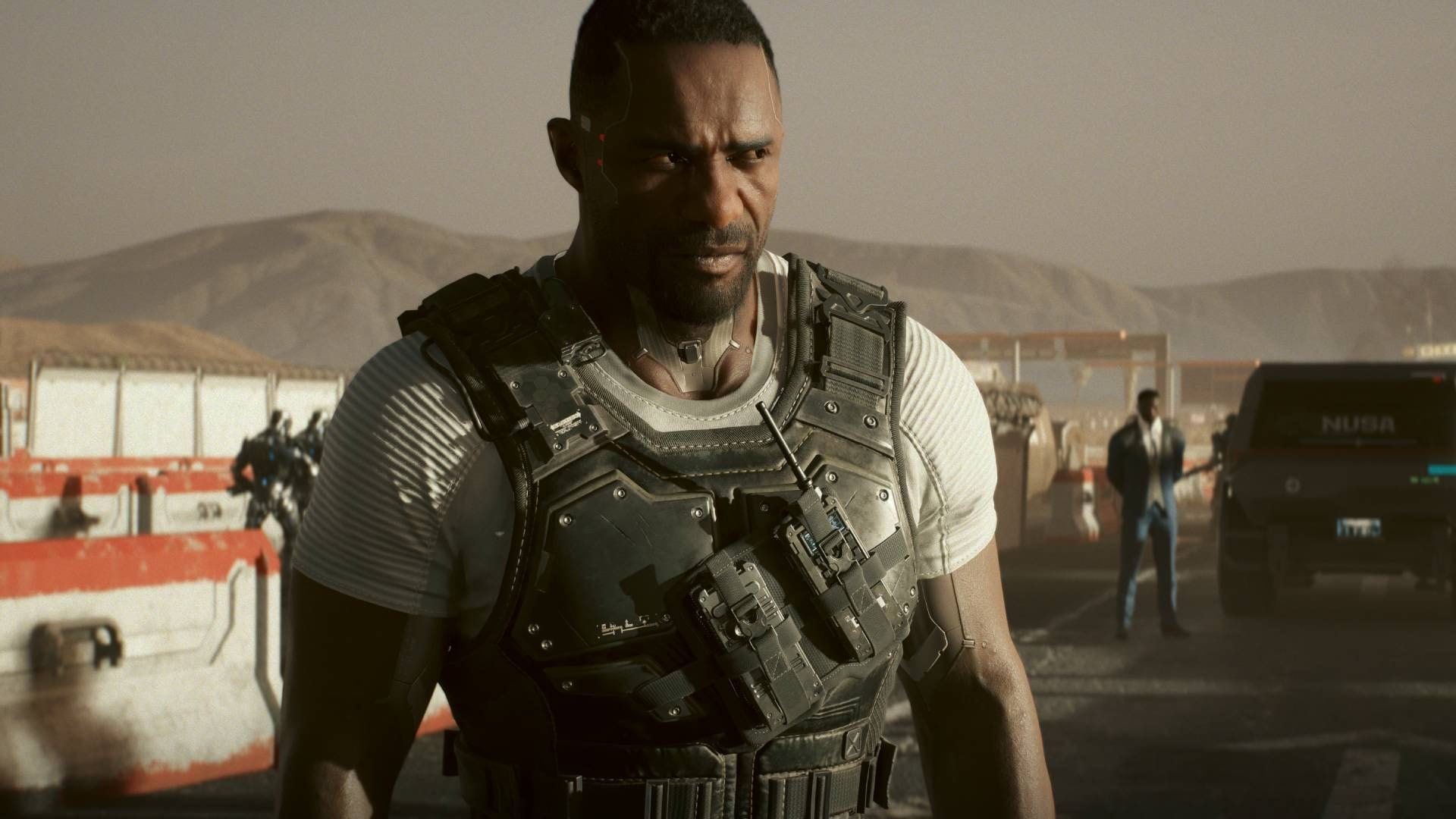
Three years after its release, the world of Night City and the thrilling espionage of Phantom Liberty is celebrating its anniversary. Marking this milestone, game director and lead quest designer Pawel Sasko stepped back to reflect on the journey, offering a fascinating glimpse into the creative process that brought this expansive story to life.
Sasko’s reflection quickly pivots to the monumental challenge of the game’s initial launch. While the initial reception for Cyberpunk 2077 faced significant hurdles, the development of Phantom Liberty was a masterclass in adaptation. To navigate those early difficulties, the team had to fundamentally rethink their approach to game creation, which Sasko details as a necessary evolution.
During the development of the base game, the team operated largely within a traditional waterfall structure, where creative decisions often accumulated around lead directors and departments. However, for the expansion, they embraced a more modern, multidisciplinary approach. They formed content pods, bringing together designers, writers, cinematics, art, audio, and QA specialists to collaborate seamlessly on every piece of content. Learning this collaborative rhythm took time, but once the process clicked, the creative output transformed.
To infuse the story with the high stakes and intrigue of a spy thriller, the team drew inspiration from the world of espionage fiction. Sasko immersed themselves in classics like Tinker Tailor Soldier Spy, James Bond, The Bourne Identity, and Bridge of Spies, finding that genre served as an incredibly practical tool for crafting the narrative atmosphere.
This influence is evident everywhere, from the stylish musical sequences to the intense atmosphere V encounters. Even the opulent Black Sapphire party features echoes of classic spy glamour, demonstrating how external inspirations can be woven into a unique fictional world.
Perhaps the most defining aspect of Phantom Liberty is its refusal to offer easy answers. Sasko emphasizes the brutal final choice V faces between saving Songbird and aiding Reed, a decision that was central to the development process. They worked backward from this point, constantly rewriting scenes to ensure the consequences felt earned.
The complexity stemmed from the fact that both Songbird and Reed were equally compelling, flawed, and deeply untrustworthy. The narrative thrives on ambiguity, forcing the player to grapple with complex morality without a clear moral compass. This echoed the subtlety of the base game, pushing for more branches and clearer consequences that allowed players to interpret their own outcomes rather than being spoon-fed the ‘correct’ decision.
Despite the critical acclaim and over 15 million copies sold for the expansion, Sasko remains grounded. He doesn’t believe that Phantom Liberty overshadows the original launch, but he is deeply grateful for what the experience taught him about directing games. It was a powerful lesson in the art of consequence.
Ultimately, the legacy of Phantom Liberty lies in its masterful blend of high-octane action, sophisticated character depth, and challenging moral choices. It stands as a testament to how evolving development methods and inspired storytelling can unlock truly unforgettable interactive narratives.
Buy on Amazon
Credit