Damsels in distress to dynamic players: Women’s roles in games
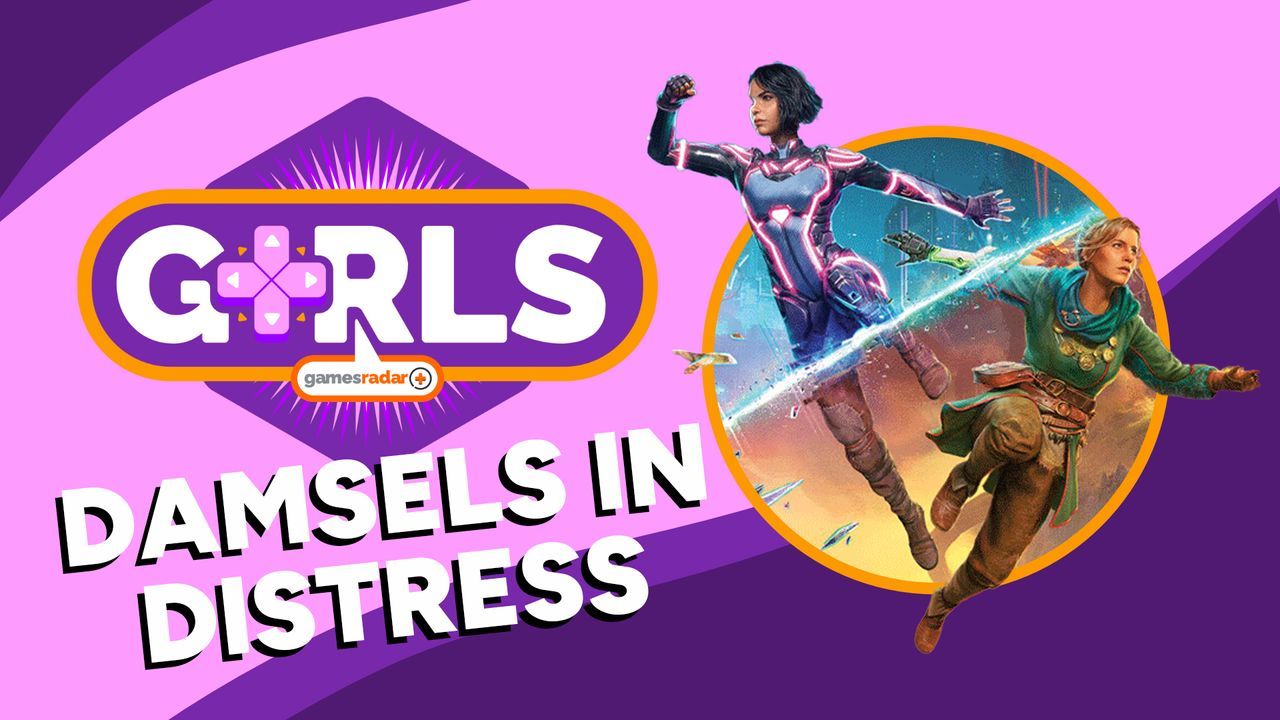
The evolution of character representation in video games is a topic ripe for spirited debate, especially when examining how women are portrayed across gaming history and the future of the industry. Are we finally moving past tired archetypes like the damsel in distress, the femme fatale, or the dead wife, or are these tropes merely evolving in disguise?
A recent discussion diving into these cultural touchstones suggests a promising shift. While the conversation acknowledges the long road ahead, the collective takeaway points toward genuine progress in how female characters are written and developed in interactive entertainment.
The evolution of these roles is complex. While some historical narratives have relied on established, often limiting, stereotypes, contemporary games are actively challenging those boundaries. This progress is visible in the landscape of games that have managed to successfully represent female experiences over the years, demonstrating a growing willingness from developers to embrace diverse and complex female narratives.
Looking ahead, the next wave of games promises even more nuanced storytelling. Upcoming titles, such as those being developed for franchises like God of War or GTA 6, offer fresh canvases upon which developers can explore depth and complexity in character design. These forthcoming projects are poised to push the envelope, ensuring that the stories we play are as rich and multifaceted as the characters themselves.
However, the journey toward truly equitable representation is far from over. Despite the strides made, the games industry still faces significant hurdles in fully addressing systemic issues related to character development and narrative balance. There remains considerable room for growth and refinement to ensure that all female experiences are reflected authentically and without limitation.
Ultimately, the conversation surrounding game roles is a mirror reflecting broader societal shifts. It’s an ongoing dialogue about what we consume, who we see, and how we define heroism and complexity in digital worlds. As the industry continues to innovate, the focus remains on ensuring that every game tells a story that is not just entertaining, but truly representative.
Buy on Amazon
Credit