DayZ felt like dying creator reveals how it ended my life
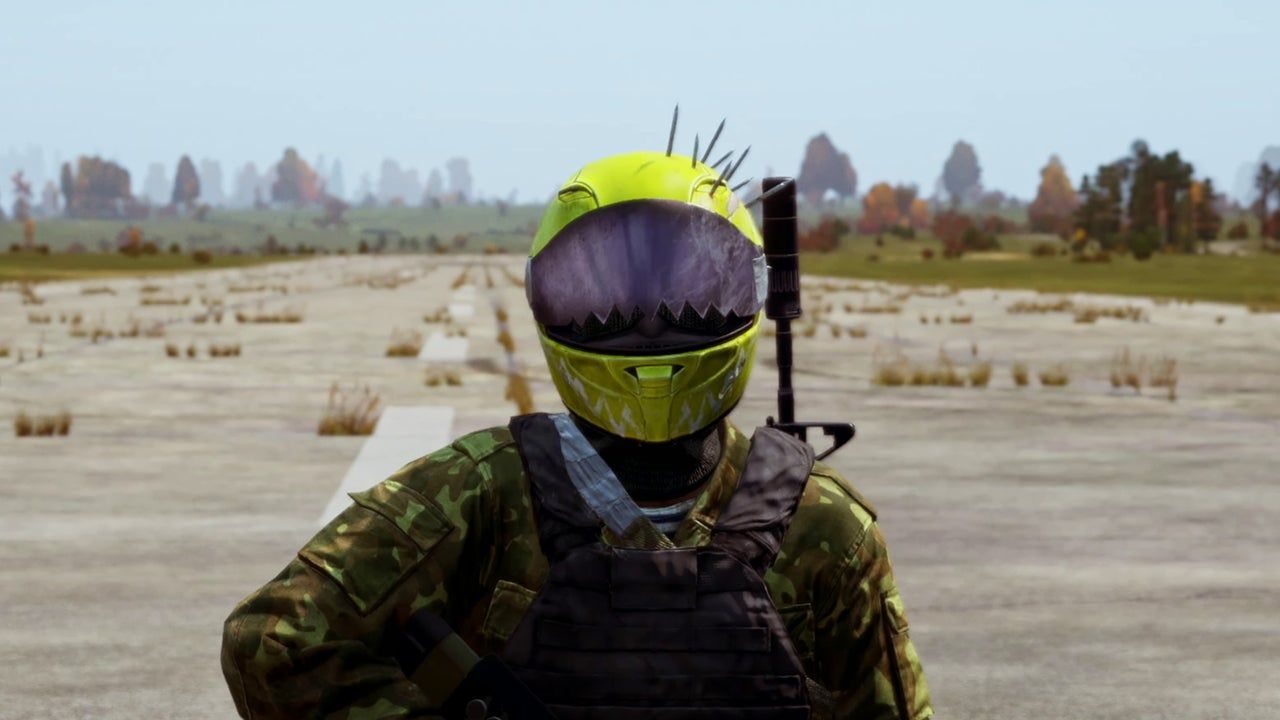
For Dean Hall, the trajectory of his career is marked by a fascinating, complicated relationship with his most successful creation, DayZ. This massively popular zombie survival game, which first gained traction as a mod for Arma 2 in 2012, didn’t just change the landscape of gaming; it fundamentally altered Hall’s life.
“When DayZ happened, it was like dying,” Hall reflected. He noted that the experience ended his previous life and completely shifted his relationships. Yet, amidst the upheaval, he found a powerful validation: “I loved making the mod, and I loved that feeling, and I’ve been chasing it ever since.”
The journey of DayZ began humbly, as a mod for Arma 2 and its expansion pack Operation Arrowhead. The game’s explosive popularity soon prompted a major development: Bohemia Interactive decided to create a standalone version, with Hall taking the lead on the project. This experience solidified Hall’s unique perspective on game development.
Hall sees himself as a developer who learned the ropes through modding, arguing that it provides an invaluable lesson for anyone aspiring to the industry. “I was born a modder, and I will die a modder,” he stated. He believes this approach allows creators to learn faster and grasp the core principles of game design more deeply than traditional methods.
In 2014, Dean Hall decided to pivot, stepping down from the lead role on DayZ to focus on building his own vision. He launched his own studio, RocketWerkz, where he has been pushing creative boundaries through various projects.
These endeavors range from VR strategy games like Out Of Ammo to space survival simulations such as Icarus. Hall continues to explore new frontiers, currently working on Kitten Space Agency, a spaceflight simulation that operates on a unique contribution-based development model.
The philosophy driving his current work is centered on direct player involvement. With Kitten Space Agency, Hall emphasizes that the game’s existence rests entirely on community contributions. This approach forces the gamer to consider the value of the product, placing the creative power directly in the hands of the audience.
Buy on Amazon
Credit