Director of Crimson Moon explains ProbablyMonsters Soulslike
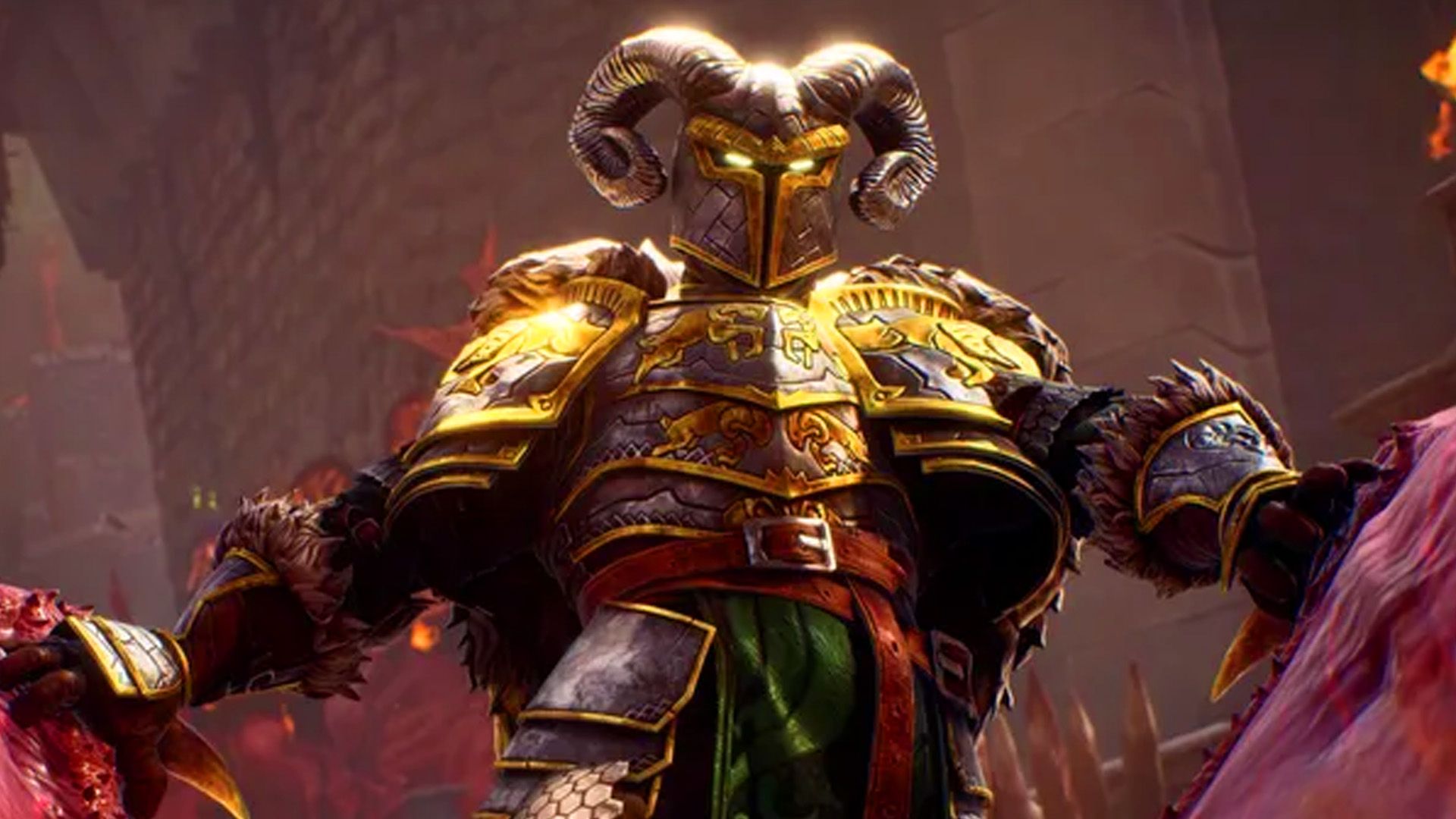
When designing a game, studios often face a seemingly impossible choice: do they aim for obsessive immersion, or practical accessibility? In the world of demanding action games, the answer often lies in balancing the desire for deep complexity with the need for quick, satisfying bursts of entertainment.
This tension was central to the development of <Crimson Moon>, a title from ProbablyMonsters. While players could certainly sink hours into the game, mastering intricate combat systems and meticulously experimenting with loadouts, the studio had a distinct vision that extended beyond endless grinding.
ProbablyMonsters aimed for <Crimson Moon> to be more than just a marathon experience. They wanted the game to deliver a sense of accomplishment and satisfaction even when players only had a brief window of time—less than thirty minutes—to engage with the experience.
This philosophy required careful balancing. It meant weaving deep, complex mechanics into a structure that rewarded efficiency and immediate engagement, ensuring that the core gameplay loop was rewarding whether the player was dedicating an entire evening or just a few minutes.
The goal was to make the game accessible to a wider audience while still retaining the depth that dedicated players crave. It was about crafting a world where mastery wasn’t just about time spent, but about impactful, responsive gameplay.
To understand how this vision translated into reality, a conversation with game director David Lesperance offered some valuable insight into the creative process. Lesperance discussed the challenges and triumphs of balancing the ambitious scope of the game with the imperative for immediate player satisfaction.
Buy on Amazon
Credit