
Directors say Riftbound was like Magic until players rejected it
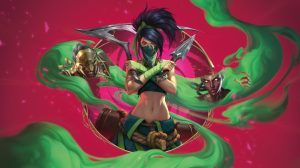
The world of trading card games has entered a golden age, witnessing an explosion of creativity and innovation. While established titans like Magic: The Gathering, Pokemon, and Yu-Gi-Oh! continue to dominate the secondhand market, the landscape is rapidly diversifying. New original Intellectual Property (IP) TCGs are emerging, proving that fresh ideas can capture the gaming zeitgeist.
This wave of novelty is amplified by licensed properties. Games based on popular franchises, such as One Piece and upcoming titles like Cyberpunk TCG, have successfully translated massive fanbases into compelling tabletop experiences. A prime example of this trend is Riftbound, a game that has caught the attention of the wider community.
Riftbound has cemented its place by linking itself to massive entertainment franchises, notably integrating elements from League of Legends. This synergy has drawn significant attention, leading to a major presence at events like Gen Con and sparking fascinating discussions about how different IP traditions can merge.
The success of Riftbound isn’t just about its theme; it’s rooted in brilliant mechanical design. When discussing the system behind Riftbound, director Dave Guskin revealed that the team faced a classic design challenge: finding a resource system that offered sufficient variance for game variety but didn’t alienate players.
Drawing inspiration from established systems like Magic’s mana structure, Guskin initially explored resource costs directly in the deck. The experiment quickly revealed that this approach was met with resistance—players found it unplayable and frustrating.
This challenge led to a pivot: rather than imposing resources on players, they decided to flip the script entirely. During their design process, the team experimented with numerous systems before landing on the unique Rune system. The breakthrough came when the designers realized that players needed to actively manage their own resources by getting rid of them.
This counterintuitive approach proved to be the game-changer. Instead of simply paying costs, players had to engage with the mechanics in a way that made the experience engaging. As one designer noted, this system resonated powerfully with players and became one of Riftbound’s most celebrated features.
In the game, Runes function similarly to lands in other TCGs, requiring action to pay costs. Cards incorporate two costs: Power and Energy. The Energy cost is represented by a colorless number, while the Power cost ties into one of six Domains—akin to the colors found in Magic.
To meet a Power cost, players must recycle a Rune from the corresponding Domain, placing it on the bottom of their deck. This ingenious mechanic ensures that resources are constantly recycled and played, keeping the flow of the game dynamic and interactive.
With the fourth expansion, Vendetta, recently hitting stores, Riftbound is entering an exciting new phase. The game is currently undergoing biannual State of the Game updates, which map out changes for organized play and unveil the roadmap for future products. It’s clear that the journey of TCG design continues to evolve, offering players constantly fresh and innovative ways to interact with their cards.
Buy on Amazon
Credit