Ex-boss admits giving Demon’s Souls the lowest number for physical copies
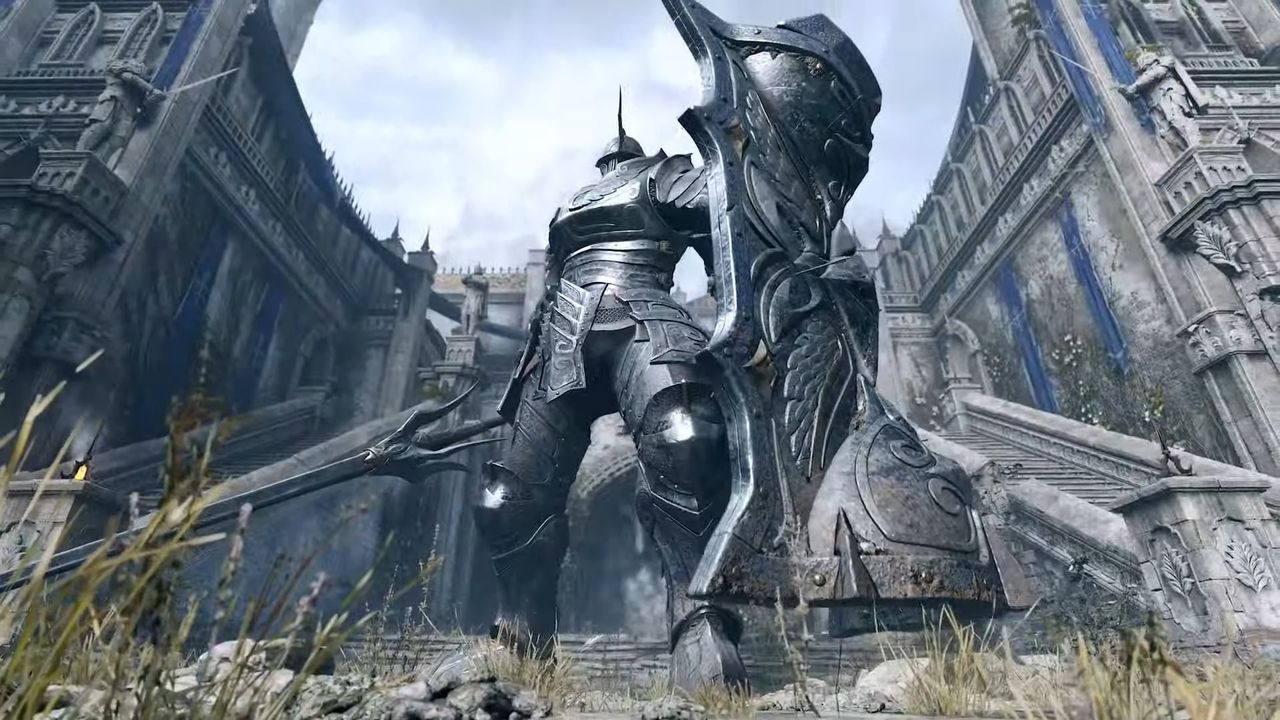
The history of gaming is often defined by brilliant ideas that take time to fully appreciate, and few figures embody this theme quite like Shuhei Yoshida. As the former president of Sony Interactive Entertainment Worldwide Studios, Yoshida has carved out a unique place in gaming history, but his journey is also marked by some famously frustrating moments—particularly his initial reaction to one of the genre’s most seminal titles.
When reflecting on his time leading Sony, Yoshida often points back to his experience with Demon’s Souls and the immense challenge of understanding its vision. During a keynote address at the Computer Entertainment Developers Conference, he candidly admitted that he initially struggled to grasp the true genius of the game.
“At that time I should have listened properly to [Hidetaka] Miyazaki-san and the in-house producer about what type of game they were making,” Yoshida recalls. He admitted that his initial assessment was rather simplistic; he simply thought they were crafting a kind of fantasy-themed action RPG, failing to internalize the complex mechanics.
When he attempted to play <Demon’s Souls>, after just two hours, he remained stuck at the starting point, leading him to question the difficulty. This hesitation extended to the game’s release; while production started with a modest 20,000 copies in Japan, Yoshida noted that the title would not be sold in Europe or America initially. The wider market, lacking immediate context for the demanding experience, largely overlooked it.
Yet, despite the limited initial sales and regional hesitancy, the Japanese gaming community quickly discovered the game’s depth. Word-of-mouth spread like wildfire online, with users on platforms like 2chan expressing awe, proclaiming that the game was something truly special and “god-tier.”
This success eventually led to its acquisition by major partners like Atlus in the US and Bandai Namco in Europe. However, this success did not immediately earn full confidence within Sony regarding the series. When the spiritual successor, <Dark Souls>, was announced, Yoshida found himself facing a critical hurdle. The hesitation to sign off on <Dark Souls> stemmed directly from his initial lack of support for its predecessor.
Yoshida later reflected that this experience served as a crucial lesson in game development: it highlighted the vital importance of understanding the user experience being created by developers. Drawing from his past experiences with platformers, he realized that true mastery lies not just in playing a game, but in truly understanding the intentional systems and the mindset behind them.
Over time, Yoshida’s perspective on the genre shifted dramatically. He eventually embraced the philosophy of Soulslikes, signing major titles like <Bloodborne> and even securing the platinum trophy for his involvement. He now regards the journey through the world of Souls—including facing the Watchdog of the Old Lords—as a true highlight of his career.
Buy on Amazon
Credit