Fable devs randomized 1000 NPCs to save time but it made no sense
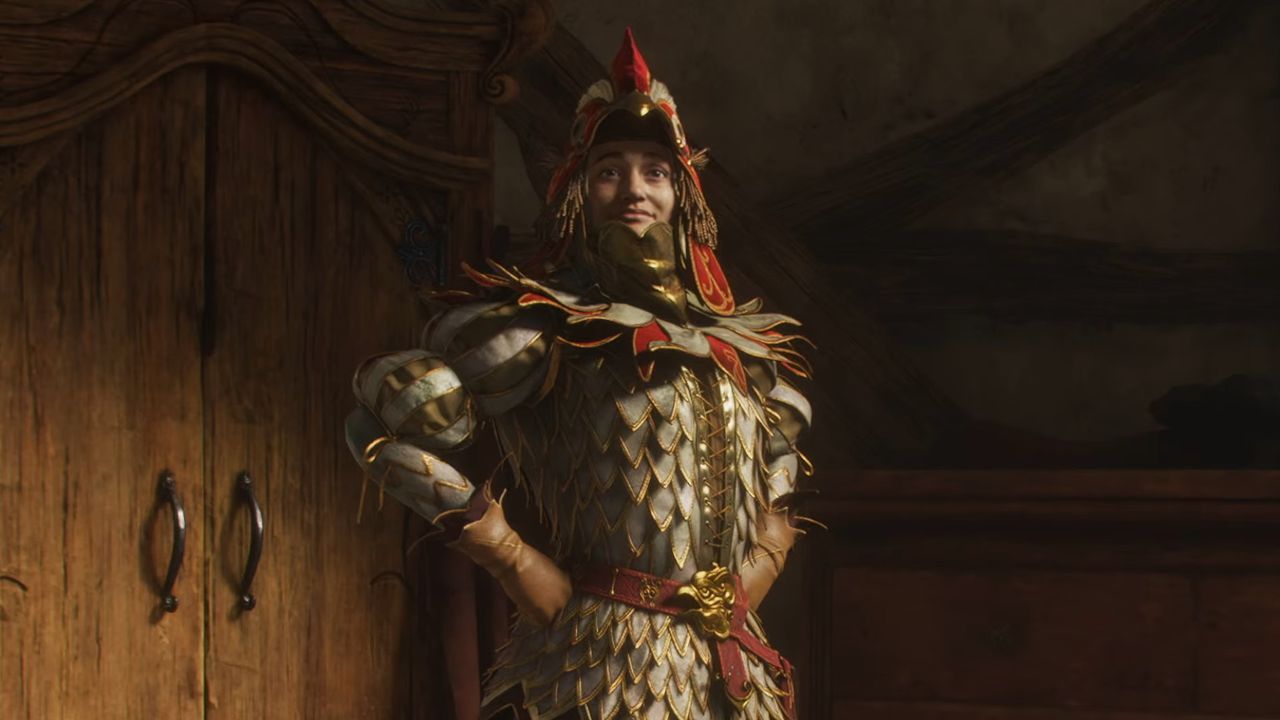
When building a truly immersive fantasy world, every detail matters. In the world of the Fable reboot, Playground Games approached the creation of its inhabitants with a philosophy that prioritized character over chaos. Instead of relying on a simple randomization tool, the developers decided to hand-craft every single one of the game’s 1,000 Non-Player Characters.
Game director Ralph Fulton recently opened up about this deliberate approach to creating the game’s “Living Population”—the villagers, business owners, criminals, and potential partners who populate the world. This decision wasn’t just about aesthetics; it was about establishing deep, believable social logic.
“We individually picked everything about every NPC to make it into an NPC that you could read, that made sense top to bottom,” Fulton explained. This hands-on method allowed the team to establish intricate connections and realities within their fictional society, ensuring that the world felt lived-in rather than randomly generated.
The alternative, the studio admitted, was tempting. They had originally considered using a tool to randomly shuffle the population, hoping to save significant development time. However, this method proved to be far less effective.
Randomization often introduced inconsistencies that broke the illusion of reality. Imagine an NPC who was simultaneously a vegan butcher and a hairdresser with an unflattering hairstyle—a concept that simply didn’t mesh with a cohesive community. The handmade approach ensured that the world operated on some semblance of real-world logic, beautifully layered with classic fairytale charm.
By prioritizing intentional design, Playground Games managed to build communities that possess genuine internal consistency. This careful attention to detail is what elevates the experience, making complex social dynamics—such as marriage, divorce, and the nuances of a situationship—significantly more interesting and meaningful for the player.
Ultimately, this dedication to character-driven design transforms the game from a simple role-playing experience into something closer to a true life simulator. While the game is confirmed to run for about 15 to 20 hours, Fulton suggests that with the depth achieved through this approach, the experience has the potential to be played forever, treating the world less like a linear RPG and more like an unfolding life story.
Buy on Amazon
Credit