FGC Icon destroys botched PC port live stream fail
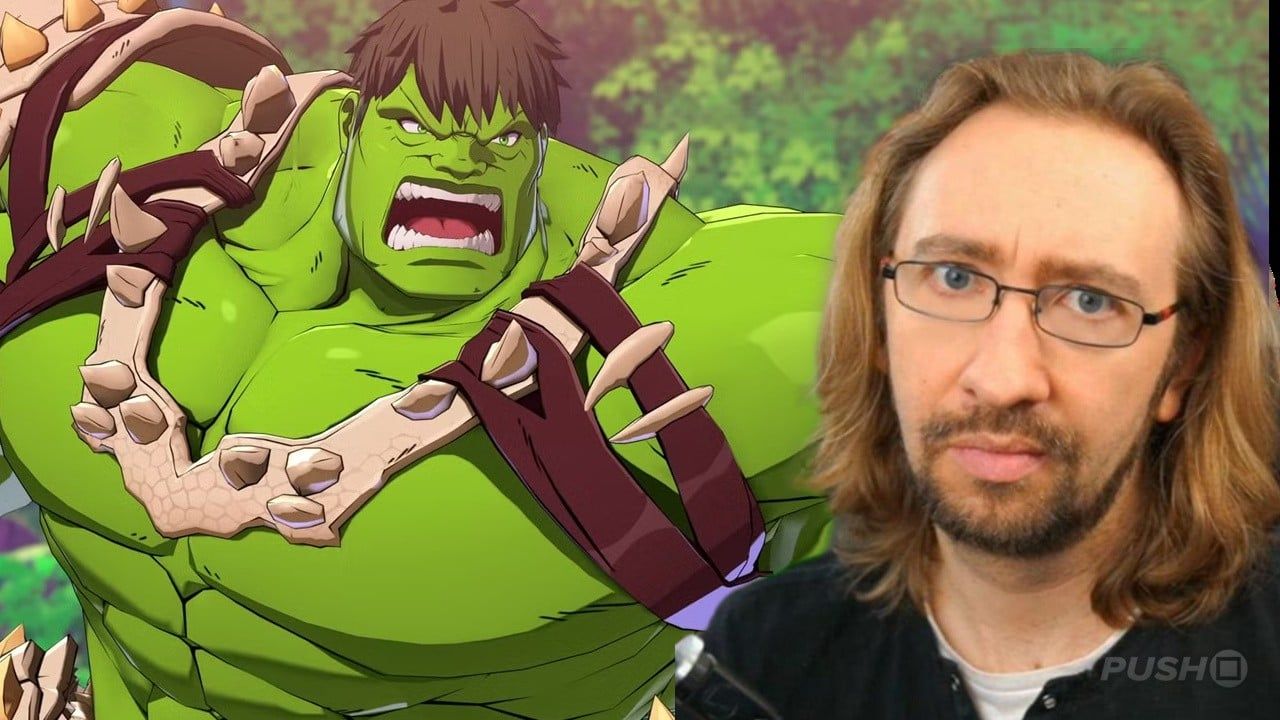
The Pain of Porting: Why a Community Icon Ditched Marvel Tokon
When a massive new game launches, especially one carrying the weight of a major franchise, anticipation is high. But for some players, that excitement can quickly turn into acute frustration when the reality of the launch falls short of the hype. The debut of Marvel Tokon: Fighting Souls was supposed to be a spectacle for fighting game fans, but for some, it turned into a frustrating digital nightmare.
The issues weren’t just minor bugs; they seemed to strike at the core of the game experience. The tension boiled over when MaximilianDood, a recognized figure in the fighting game community, took to social media to voice his dismay. After just two days of playing the PC version, he made the dramatic move of uninstalling the game entirely, labeling the experience too frustrating.
This public reaction wasn’t isolated; it reflected a wider unease within the community regarding the rollout of the game. While the hype around the superhero brawler was palpable, the reality felt like a stumble rather than a soaring flight. The narrative surrounding the launch quickly shifted from excitement to disappointment, particularly concerning technical stability and cross-platform play.
For many players, the promise of a seamless experience is paramount. When a highly anticipated title introduces friction—especially involving porting or crossplay mechanics—it can shatter the immersion that developers strive for. The reaction of key community members served as a stark reminder that even the most popular IPs require flawless execution when translating to new platforms.
The saga of Marvel Tokon: Fighting Souls highlights a critical lesson in game development: technical polish is just as important as creative vision. As players look ahead, they demand that these massive projects deliver on their promises, ensuring that the journey from concept to release is smooth and engaging for everyone.
Buy on Amazon
Credit