Final Fantasy 7 trilogy completion was non-negotiable
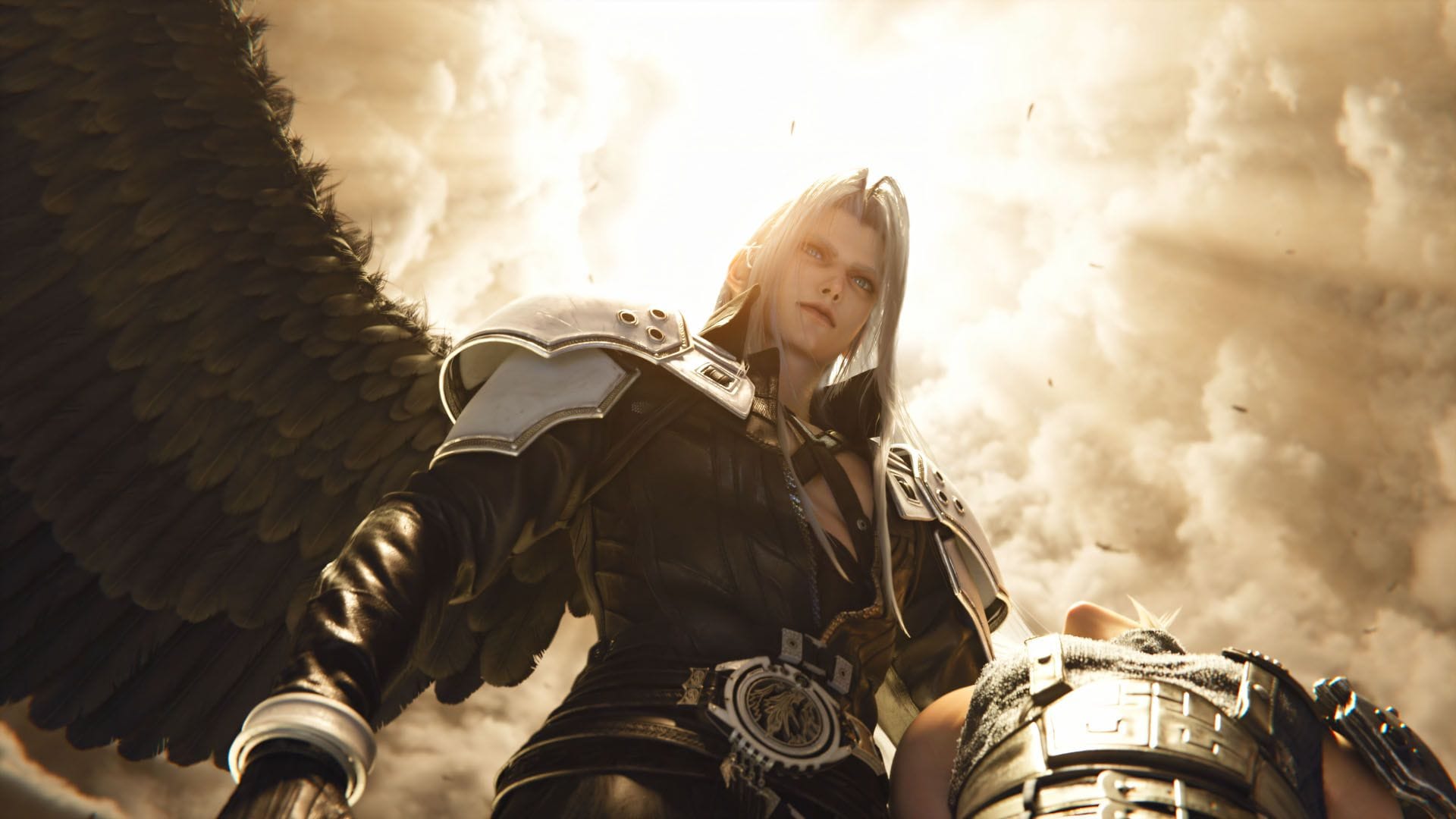
The creation of a legendary video game trilogy is an immense undertaking, but for those who guide the narrative, the real challenge lies not just in telling a large story, but in making sure every chapter stands on its own merits. This philosophy was central to the development of the Final Fantasy 7 remake series, where director Naoki Hamaguchi insisted on a “non-negotiable premise”: every installment had to feel like a complete, individual experience.
Hamaguchi aimed to prevent the common pitfall of multi-part storytelling—the temptation to stop a narrative simply because “there’s more to come.” Instead, he prioritized delivering a satisfying, self-contained journey in each chapter, ensuring that players were fully immersed in the experience of each game, regardless of the larger overarching plot.
This approach dramatically influenced the pacing and structure of the remake. The games were carefully designed so that each part concluded at a pivotal moment, maximizing the impact of the preceding events. For instance, the Final Fantasy 7 Remake concluded with the protagonists escaping the city of Midgar, setting the stage perfectly for the expansive world to come. Similarly, Final Fantasy 7 Rebirth closed right after one of the most famous and tragic scenes in gaming history, leading into the grand finale with dramatic momentum.
This dedication to individual experience extended to creative decisions, notably in the development of the third installment. To maintain the focus and pacing of Final Fantasy 7 Rebirth, the developers made the strategic choice to omit certain locations and towns from the original game. Hamaguchi explained that including elements like Rocket Town and Wutai simultaneously would have made the game too information-dense, disrupting the story’s rhythm and diluting the focus of the experience.
Beyond the structure, the trilogy took a deeper dive into the core of the story through the character of Cloud. As the narrative progressed, the focus shifted to exploring his personal evolution. Footage unveiled at events highlighted a subtle but profound change in how Cloud communicated. His dialogue had evolved, reflecting a gentler, more nuanced side that had not been fully explored in previous titles.
Hamaguchi hopes that players will pay keen attention not only to how Cloud confronts the central crisis of the story but also to his complex relationships with his companions and the ultimately personal answers he arrives at. The trilogy ultimately serves as a masterclass in weaving epic scope with intimate character development, proving that a multi-part epic can succeed when each piece is crafted with singular intention.
Buy on Amazon
Credit
