Game Patches Sex Minigame Dev Confirms Major Oversight
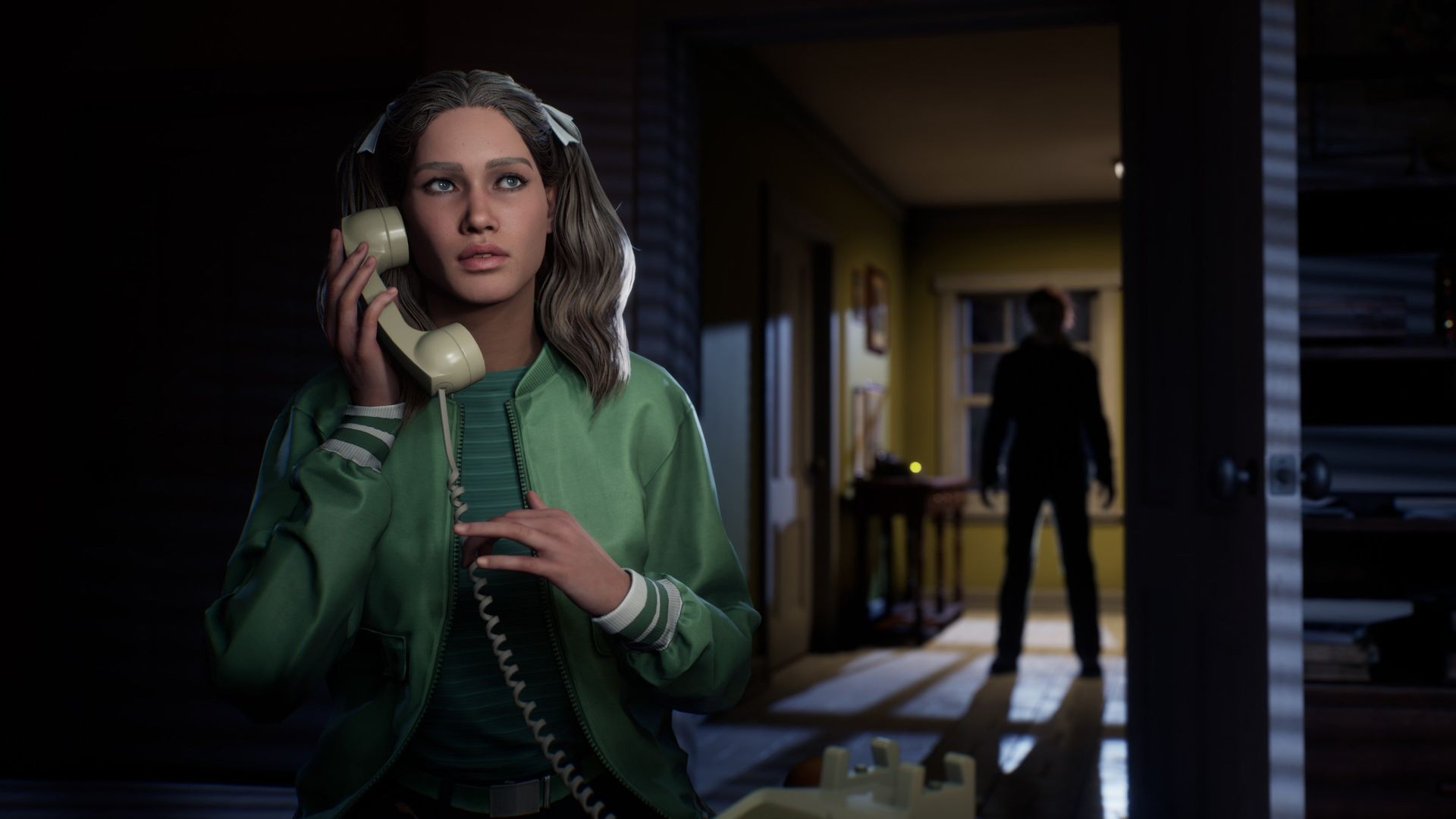
The world of indie horror games often throws curveballs, but the latest controversy surrounding Halloween: The Game has certainly landed in the spotlight. The game, known for its iconic 1970s slasher aesthetic, featured a minigame that quickly became the subject of intense discussion and viral attention, prompting developers to make a swift, if controversial, change.
The issue stemmed from a specific interactive element within the game, a “Two-Person Power-Up minigame” that allowed players to engage in intimate scenarios. This feature, involving the character of Samuel Loomis and another player character, drew immediate scrutiny, particularly when a clip featuring the minigame went viral, raising questions about the context and age appropriateness of the interaction.
The controversy deepened when a particular video surfaced, featuring the characters in the minigame, which generated significant reaction online, suggesting a tension between the game’s aesthetic and the mature themes involved. This sparked immediate debate among the player community regarding the game’s boundaries and content.
In response to the public outcry, the developers, IllFonic, took action. They released a hotfix that removed the controversial sex minigame. While the patch notes focused on addressing several crashes and technical issues that were affecting the game’s stability, the removal of the minigame was not explicitly detailed.
IllFonic stated that the decision was made to address an unintended issue that allowed end-game reinforcement characters to engage with the minigame, which they acknowledged was a major oversight. They emphasized that their current focus is on immediate game needs and stability, promising that more content and minigames would be introduced in the future.
Despite the removal, the community reaction was not uniform. Many players felt that the feature had been a missed opportunity, leading to calls for its restoration. Discussions online reflected a desire to see the content returned, with some users arguing that players had missed out on what felt like exclusive early access content.
The incident underscores the complex and often sensitive nature of digital content creation, highlighting the delicate balance developers must strike between creative freedom, audience expectations, and community feedback. As players continue to engage with the game, the conversation remains open about the direction and content of future updates.
Buy on Amazon
Credit