Games like Balatro and Peak cure industry fear experts say
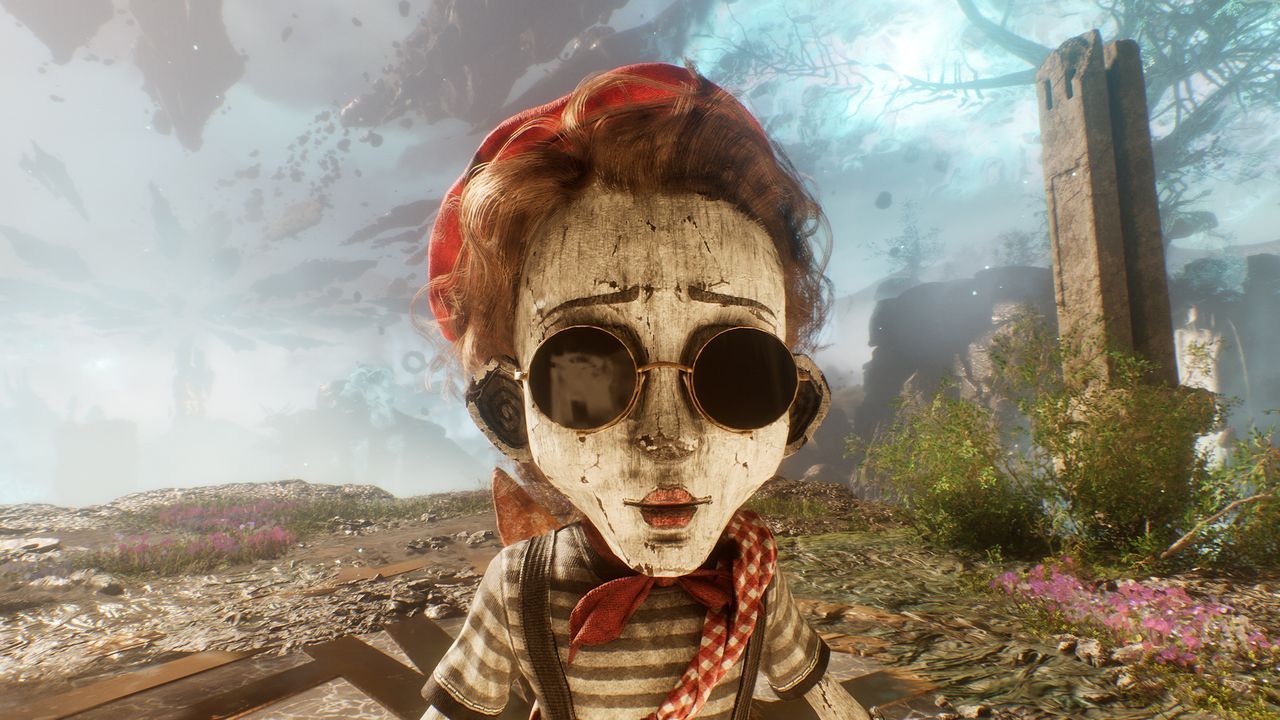
In a landscape often defined by cautious, market-researched decisions, a small group of game developers and publishers is pushing back against an industry climate defined more by fear than by imagination. They are arguing that true innovation requires a dose of courage—a willingness to prioritize creativity, craft, and the future over the relentless pursuit of safe, algorithm-driven outcomes.
This sentiment is echoing across the industry, where some observers note that a pervasive culture of fear is stifling genuine artistic expression. Veteran indie developer and consultant Rami Ismail, who recently led a workgroup on this topic at the DevGAMM Madeira Games Summit, highlighted how the industry’s reflexive responses often aim to smooth out creative work, leading to homogenous and uninspired products that merely check all the boxes.
Ismail asserted that true success in games is built on four creative pillars: creating coherence, identifying weaknesses, selling the dream, and connecting the dots. He pointed out that this fear of risk is currently the largest threat facing the industry.
To foster this change, Ismail suggested that developers must unlearn the impulse to always “make games for everyone” or constantly “chase the algorithm.” Instead, they need to look to bold examples—games like French JRPG Clair Obscur: Expedition 33, co-op adventure Peak, and roguelike card game Balatro—as demonstrations of what authentic game development should look like.
The underlying challenge is one of risk management. Many industry figures point to overdone de-risking, particularly in the AAA space, which often involves sanding down risky elements in the name of broader appeal or safety. This cautious approach risks stripping away the very elements that make games fun and memorable—the secret sauce.
This focus on risk directly relates to budgets. The narrative that games must be enormous and expensive is often accepted as an unavoidable reality, but it frequently ignores the possibility of designing impactful experiences within a more manageable scope. This tension was starkly illustrated by Clair Obscur: Expedition 33, which demonstrated that ambitious design doesn’t require a massive budget. Reports indicated its cost was under $10 million, making it only about 3% of the investment seen in comparable AAA titles.
This perspective shifts the focus from sheer scale to meaningful content. As costs rise exponentially, developers are facing an unspoken decision: rather than asking whether a large scope is feasible or meaningful for the player, they default to fulfilling the scope at all costs. This dynamic raises critical questions about how we define success in game development—is it measured by budget size, or by creative integrity and player experience?
The movement calls for a return to prioritizing taste, creativity, and craft above all else. By embracing courage over fear, the industry might finally unlock the potential for games that are not just commercially successful, but genuinely inspiring.
Buy on Amazon
Credit