
Geralt threatens AI platforms with his voice in the ground
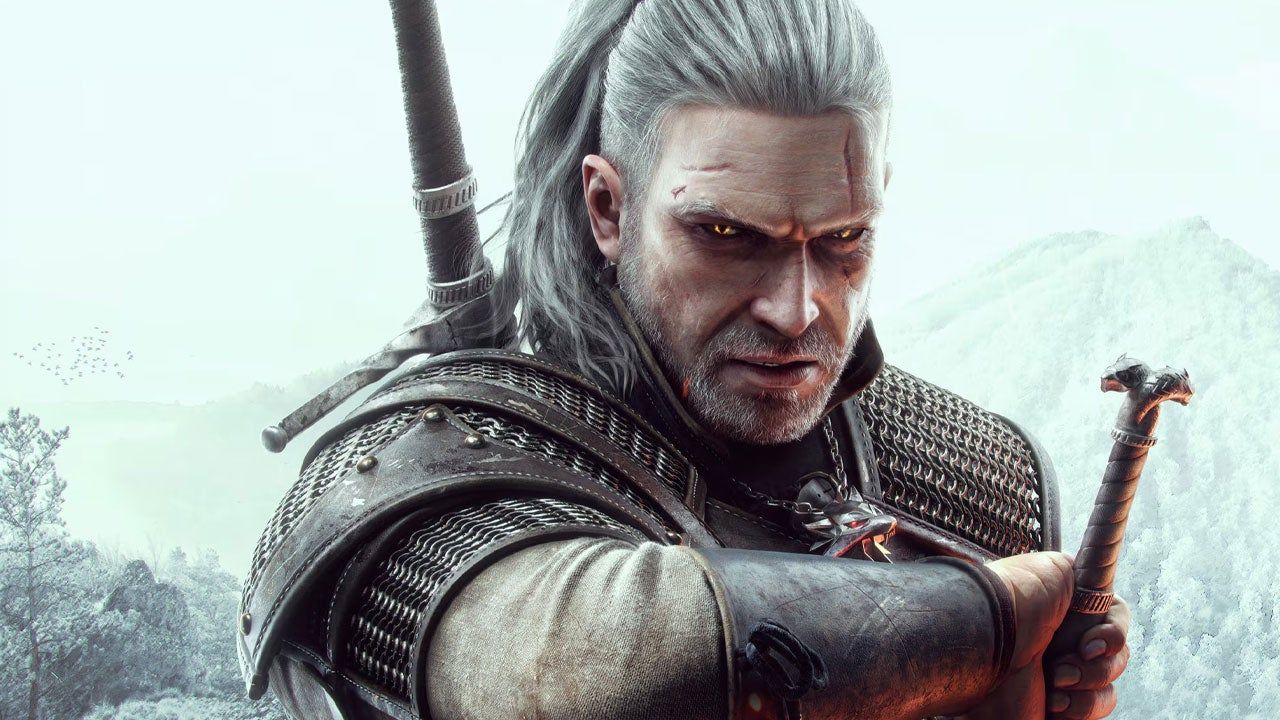
For some voice actors, the rise of generative artificial intelligence isn’t just a technological shift—it’s an existential threat to their very identities. Doug Cockle, the renowned voice behind Geralt of Rivia in The Witcher, has stepped into this debate, expressing profound alarm over AI platforms that seek to clone and replicate his distinctive voice.
Cockle didn’t mince words when speaking to Polygon, labeling the AI-generated imitations of his performance “the bugbear of my life.” His concern extends far beyond simple digital fakery. He is worried about the ethical landscape of this technology: that it can be weaponized to make Geralt utter hateful or morally reprehensible statements, effectively forcing a celebrity into positions they never consented to.
“If I had the power, the money, and the influence, I would sue every single AI platform out there with my voice on it. I would sue them into the ground,” Cockle stated, underscoring the gravity of the situation. For him, the danger isn’t just financial; it is the potential for profound moral corruption.
The core fear lies in the fact that these digital imprints are not just sound files. They represent a pathway to creating deeply harmful content. Cockle argued that AI could be used to paint Geralt as a racist, a misogynist, or someone holding horrific political views. “There are people behind these voices,” he emphasized, noting that these are not mere digital echoes but genuine human identities being exploited.
This concern is not new. Cockle has long been a vocal critic of generative AI, having warned in 2023 to IGN about the potential for nefarious uses of the technology. He pointed out that when AI models are trained on human voices—like those of professional voice actors—they are essentially taking an individual’s identity and digitizing it without permission.
The issue extends into the realm of commerce as well. Cockle noted that even when AI is used by genuine fans, such as those creating community mods, it directly impacts the income streams of voice actors. Every time someone uses a cloned voice for content, it acts as an invisible mechanism for robbing not just one actor, but all voice talent of their rightful earnings.
But the most frightening aspect of AI misuse is its capacity for large-scale deception. Cockle warned that if AI can generate voices cheaply and easily, malicious actors could use it to produce anything—fake news, false opinions, or hateful rhetoric attributed to beloved figures. “The AI is not the problem,” he asserted, “it’s the people using the AI.”
This tension between innovation and ownership has spurred action within the industry. In July of last year, video game voice actors took a stand collectively, voting to end a year-long strike over AI protections. The resulting agreement ensured that new contracts would mandate consent and disclosure requirements for using AI digital replicas.
While this collective action established legal guardrails, Cockle remains wary. He acknowledges that the ability of AI to personalize voices—allowing fans to create deeper, more personalized experiences—is compelling. Yet, he insists that this personalization must be balanced against the fundamental right of creators to control their own likeness and prevent their voices from being corrupted by unethical interests.
Buy on Amazon
Credit