How Dual Override developers captured all players
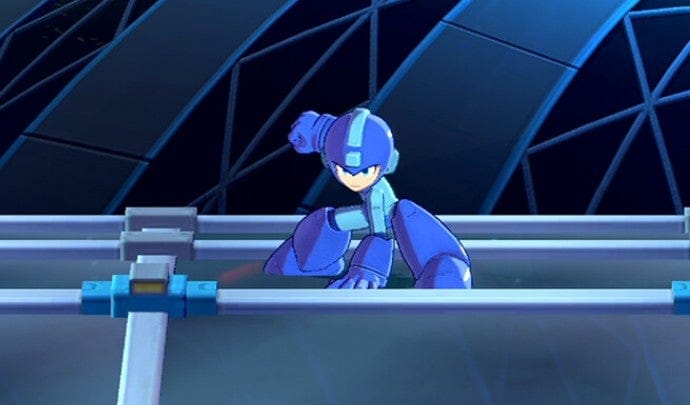
The 40th anniversary of Mega Man is just around the corner, marking four decades of an iconic franchise that has shaped the landscape of video gaming. As anticipation builds for the next installment, developers at Capcom sat down with journalists to reveal the creative philosophy behind Mega Man: Dual Override, exploring how they decided to honor this legacy while forging a new path.
The development of the new game was inherently tied to the series’ history. For the team, the anniversary wasn’t just a milestone; it was an opportunity to celebrate the entire Mega Man saga. This feeling of celebration clearly infused the development goals, pushing the team to consider what elements veterans and newcomers would enjoy seeing in a modern retelling.
One of the biggest challenges was balancing deep nostalgia with welcoming a broader audience. To ensure that players who have never touched a Mega Man game felt comfortable jumping in, the team introduced innovative systems. This included a custom chip system and stage designs broken into three distinct areas. These areas intentionally ramp up in difficulty, offering a smooth gradient that lets players collect resources while gradually mastering the challenge. This design structure allows players to easily revisit easier sections to gather chips and customize their abilities, ensuring that progress is always rewarding.
The core gameplay mechanics are designed to be both familiar and fresh. The team aimed to maintain the challenging, rewarding nature that longtime fans expect while introducing new layers of interaction. A key example is the powerful Override mechanic, where Mega Man briefly transforms, gaining immense power, but also entering a temporary state of weakness. This dynamic risk and reward was an experimental idea, designed to let the character experience both the thrill of power and the vulnerability that comes with it.
Furthermore, the game cleverly handles the narrative relationship between Mega Man and his rival, Proto Man. While the overarching story remains consistent, the experience shifts depending on which character the player controls. Players can switch between the two protagonists, experiencing different perspectives and dialogue, allowing them to dive deeper into the world from various angles.
In terms of worldbuilding, the design of the primary antagonist, Twinkle Girl, was a standout feature. The initial concept was inspired by fireworks and her role as an entertainer robot at the Robot Exhibit. The team decided to evolve the design into a more humanoid robot, which allowed them to create a character that was both visually appealing and complex. Crucially, Twinkle Girl was designed to be engaging and attractive, not simply an obstacle to be defeated.
Ultimately, the team emphasized that while honoring the iconic aspects of Mega Man is vital, they are not bound by tradition. They sought a healthy balance: maintaining the core elements that define the franchise while embracing modern trends and understanding player behavior to create something genuinely appealing and challenging. The result is a celebration that respects the past while confidently looking toward the future of the Mega Man universe.
Buy on Amazon
Credit
