
I played Halo 2 before everyone and almost reported the ending as a bug
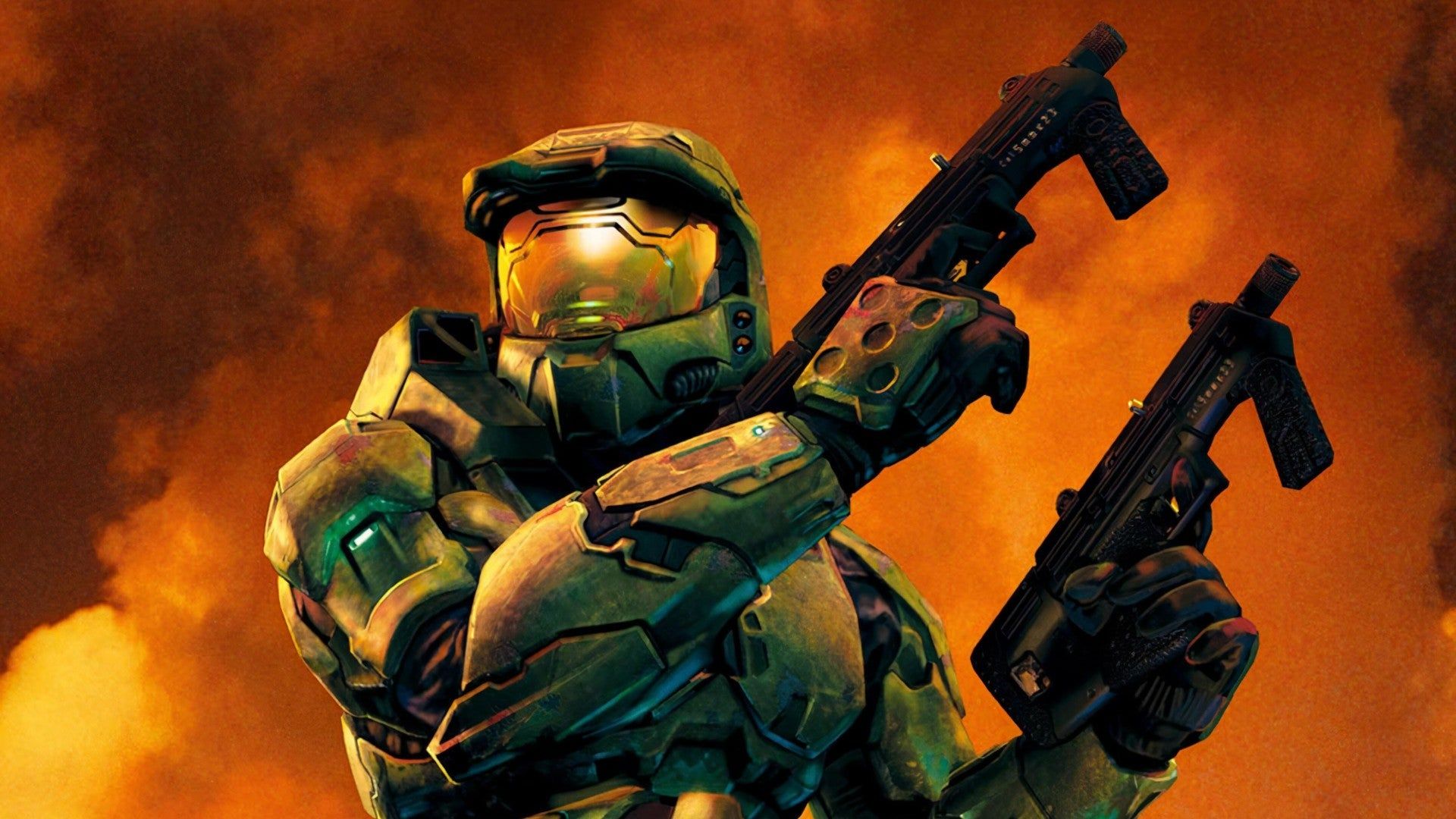
The Legend of Halo 2: Behind the Scenes of a Masterpiece
There are some video games that define an era, and then there is Halo 2. For many of us who grew up with the Xbox, it remains the undisputed heavyweight champion of the console generation. The journey to that legendary status wasn’t just about the gameplay; it was a fascinating blend of massive anticipation, high-stakes logistics, and a truly unforgettable experience for the people who worked behind the scenes.
The hype train started long before the game hit the shelves. Back in 2004, Halo 2 was the most anticipated title in gaming history. As a journalist covering the launch, I had the rare opportunity to be one of the first people outside of the developer’s circle to experience this landmark sequel. The wait, however, was anything but smooth. The initial release window was delayed, forcing the team to manage expectations while building up the inevitable moment.
The groundwork for the excitement was laid by brilliant showmanship. To reassure fans, Xbox leadership executed a masterful publicity stunt, ensuring the November 9, 2004, release date was plastered right on the boss’s bicep at E3. This massive marketing effort, coupled with that incredible trailer released years earlier, built an almost unbearable sense of anticipation.
When the time came to actually play, the logistics were a unique challenge. In an era where games were physical, the process involved immense coordination. Print magazines required lengthy lead times, meaning the team had to coordinate with the developers to secure exclusive reviews. This meant that journalists, like myself, had to arrange two days at Bungie to play the game behind closed doors, navigating the internal workings of the studio just to get the exclusive look.
The experience of playing the campaign itself was pure adrenaline. We were dropped into a unique scenario, facing down epic conflicts and narrative twists that were tightly woven. The game offered truly phenomenal storytelling, particularly in how it handled the dramatic shift in perspective, creating incredible moments that still resonate today.
However, amidst the excitement of navigating the campaign—especially the climactic battle for the final objective—a moment of pure, unscripted reality occurred. As the story reached its thrilling conclusion, I was absolutely certain the credits were about to roll. I was ready for the final showdown, but instead, the screen simply transitioned. It felt like a glitch, a momentary disruption in what should have been the grand finale.
The surreal nature of the moment was amplified when I realized that my colleague, who was also present, experienced the exact same thing. It seemed the game itself had paused its narrative, leaving us stranded in a strange, shared moment of disbelief. It was a glitch, a hiccup in the otherwise flawless experience, but it became a shared, memorable anecdote about the magic of that time.
Despite the momentary confusion, the quality of the game remained unquestionable. The narrative arcs, from the epic conflict to the surprising twists, cemented the game’s legacy. It stands as a testament to excellent design and phenomenal storytelling, a masterpiece that continues to hold an exceptional place in gaming history.
Credit