Iwata rejected Mario and Zelda sequels for a bigger vision
In the dynamic world of video games, where sequels often reign supreme, Nintendo has carved out a unique and enduring path. Their success isn’t just built on beloved franchises like Mario and Zelda; it’s rooted in a remarkably specific philosophy that pits tradition against pure innovation.
Back in 2006, then-president Satoru Iwata articulated this vision with sharp clarity. He expressed a concern that simply continuing to make sequels would pigeonhole Nintendo as a conservative company unwilling to embrace new adventures. He argued that true leadership requires taking new initiatives, a sentiment that felt almost radical when Nintendo was still fighting for space against the rapidly rising PlayStation and Xbox brands.
This philosophy was particularly salient as Nintendo navigated a pivotal era. While established hits like Super Mario 64 and The Legend of Zelda: Ocarina of Time secured their legacy, the console market was rapidly shifting. Nintendo was standing at a crossroads, needing to adapt to a world demanding fresh experiences.
Iwata’s strategy was a clever balancing act. He stated that Nintendo would continue to serve its dedicated fanbase who craved classic Mario and Zelda experiences. Simultaneously, the company committed to bringing entirely new gameplay styles to players who had never touched a game before. This dual focus allowed Nintendo to bridge the gap between nostalgic comfort and genuine novelty.
This foresight proved profoundly prophetic. The subsequent launch of the Wii and the DS demonstrated that this balanced approach was not just theory, but a successful blueprint for revolutionizing gaming. These platforms thrived not just because of the classics they honored, but because they encouraged entirely different ways of playing.
While the journey wasn’t without bumps—including the turbulent launch of the 3DS and the challenges faced by the Wii U—the overall results speak volumes about Nintendo’s strategic agility. They managed to maintain the loyalty of their core audience while successfully introducing mold-breaking titles that redefined what a console could be.
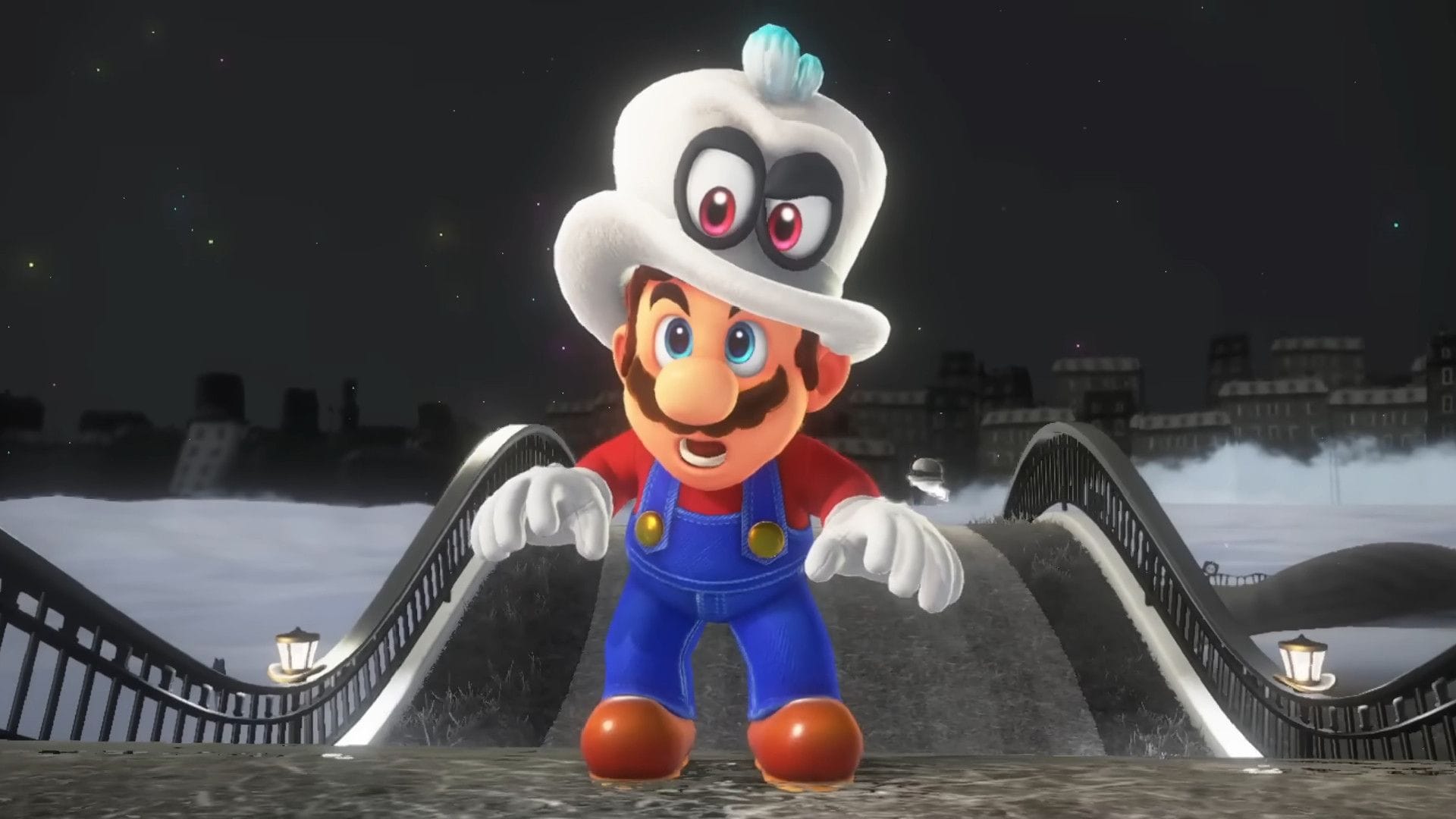
Today, when we look at masterpieces like Super Mario Odyssey and The Legend of Zelda: Breath of the Wild, we see the echoes of that original wisdom. Nintendo has learned that the greatest innovation often lies not in abandoning history, but in finding creative, bold ways to expand it. They remain dedicated to meeting the expectations of their fans by relentlessly innovating within the franchises that define them.
Buy on Amazon
Credit