
Kratos actor demands respect not joining God of War TV show
The Voice of Kratos: Why Game Creators Are Still Fighting for Recognition in TV Adaptations
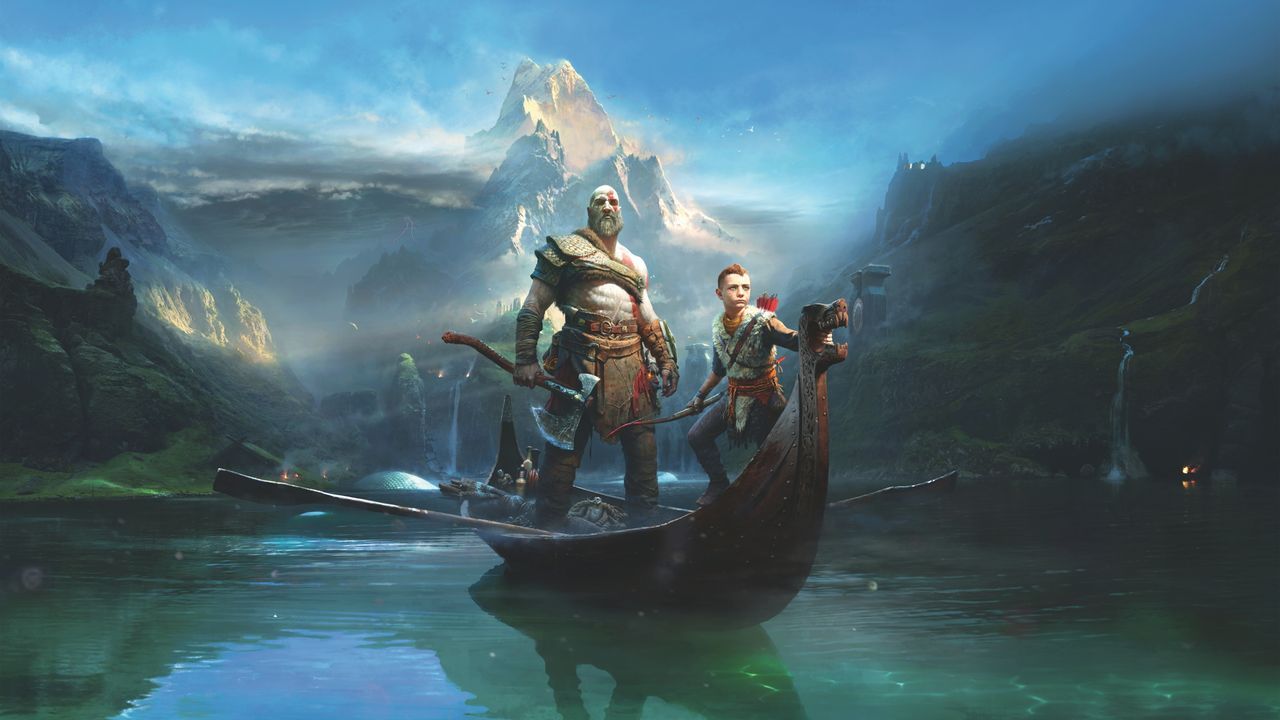
When a massive franchise like God of War moves to the screen, it sparks more than just excitement—it brings up complex conversations about ownership, representation, and respect. Recently, voice actor Christopher Judge, the iconic voice of Kratos, weighed in on the production process, offering a sharp critique of how video game properties are adapted for television.
The conversation intensified following the necessity of recasting Kratos for the live-action series, which required Ryan Hurst to step into the role after an injury. Amidst these production shifts, Judge used the opportunity to address a wider issue. He pointed out what he sees as a common pitfall in adaptations: the tendency to hire talent unassociated with the original material.
“You have this pre-existing, successful property, and the first thing you do is not hire anyone associated with it,” Judge remarked. This sentiment suggests a belief that the individuals who truly understand the universe they are adapting—the writers and developers—should be at the forefront of the creative process.
When pressed about why this matters, Judge elaborated that his concern extended beyond the casting itself. He expressed a deep desire for the writers and developers of the games to receive the love and respect they deserve. This push for recognition is not just about a single role; it’s about acknowledging the foundational work that built these legendary worlds.
This broader perspective is echoed across the industry. Judge referenced the high quality of storytelling in television and film, pointing to creators involved in franchises like The Witcher, Fallout, and The Last of Us. In these examples, it becomes clear that the expertise of those who designed the games is a valuable, often untapped, resource for translating that universe to other media.
While figures like Neil Druckmann have contributed significantly to adaptations such as The Last of Us, the sentiment remains: narrative designers offer a unique lens for understanding a game’s world. It is a shame when this specialized expertise doesn’t receive the spotlight it deserves.
Ultimately, Judge’s comments serve as a reminder that the magic of gaming lies not just in the finished product, but in the people who brought it to life. He hoped that the eventual adaptation would honor the creators, perhaps even featuring a cameo from him, complete with a suitably loud “Boy” sound effect.
Buy on Amazon
Credit