
Halloween game finally available in New Zealand
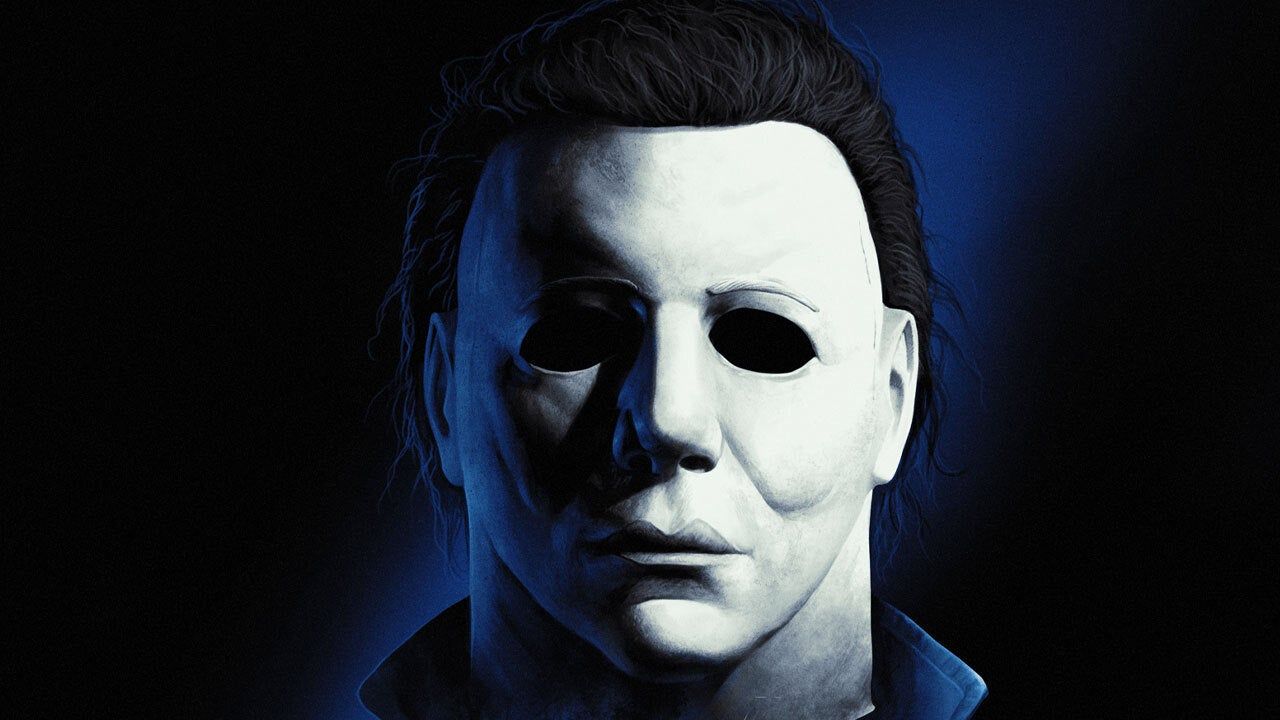
In the world of video game classification, where global ratings aim for uniformity, local rules often introduce delightful chaos. This tension was perfectly illustrated last week when the release of Halloween: The Game faced a major roadblock in Australia, prompting a surprisingly complex ripple effect across international markets.
The drama began when the Australian Classification Board refused a rating for the title. For physical distribution, this meant the game was effectively banned from storefronts in Australia and New Zealand. Yet, when the news spread, a knot formed among observers: if the game was refused classification, why was it still being discussed in the context of New Zealand availability?
The confusion deepened when news outlets sought clarification on why the New Zealand release seemed decoupled from the Australian decision. The studio, IllFonic, quickly stepped in, confirming that while physical sales were halted, they were still thrilled to announce the game would be available in New Zealand, albeit in a digital format only.
This situation revealed a complex hierarchy of rules at play. Physical distributors learned that the Australian rating, determined by the ACB, took precedence over the digital rating system used globally. When the ACB refused classification, it meant the removal of both physical and digital versions in those territories.
This brought into focus the idiosyncratic nature of New Zealand’s classification system. While NZ often utilizes Australian or UK decisions as a shortcut, content that has been refused classification in Australia must still be formally assessed by the New Zealand Office of Film and Literature Classification (OFLC). For physical releases to be sold in New Zealand, a classification is required. Since Halloween: The Game had not received this necessary classification in Australia, a physical release in New Zealand became currently impossible.
The core of the dispute hinged on the content itself. The Australian Classification Board’s refusal was linked to the game’s inclusion of illicit drug use tied directly to gameplay rewards or advantages. While games can feature drug use, the Classification Board mandates a refusal if that use provides a gameplay incentive.
Developers often navigate these guidelines with clever semantics, as seen in past cases where developers have simply renamed substances to avoid scrutiny. This highlights the fine, often frustrating, line between creative expression and regulatory compliance.
Ultimately, the saga of Halloween: The Game underscores how the layers of international and local content regulation can create unexpected hurdles. It’s a reminder that while we aim for a unified gaming experience, the rules of the road—whether dictated by the ACB, IARC, or the OFLC—ensure that every market has its own unique flavor of content control.
Buy on Amazon
Credit