Miyamoto Directs: The Art of Game Creation
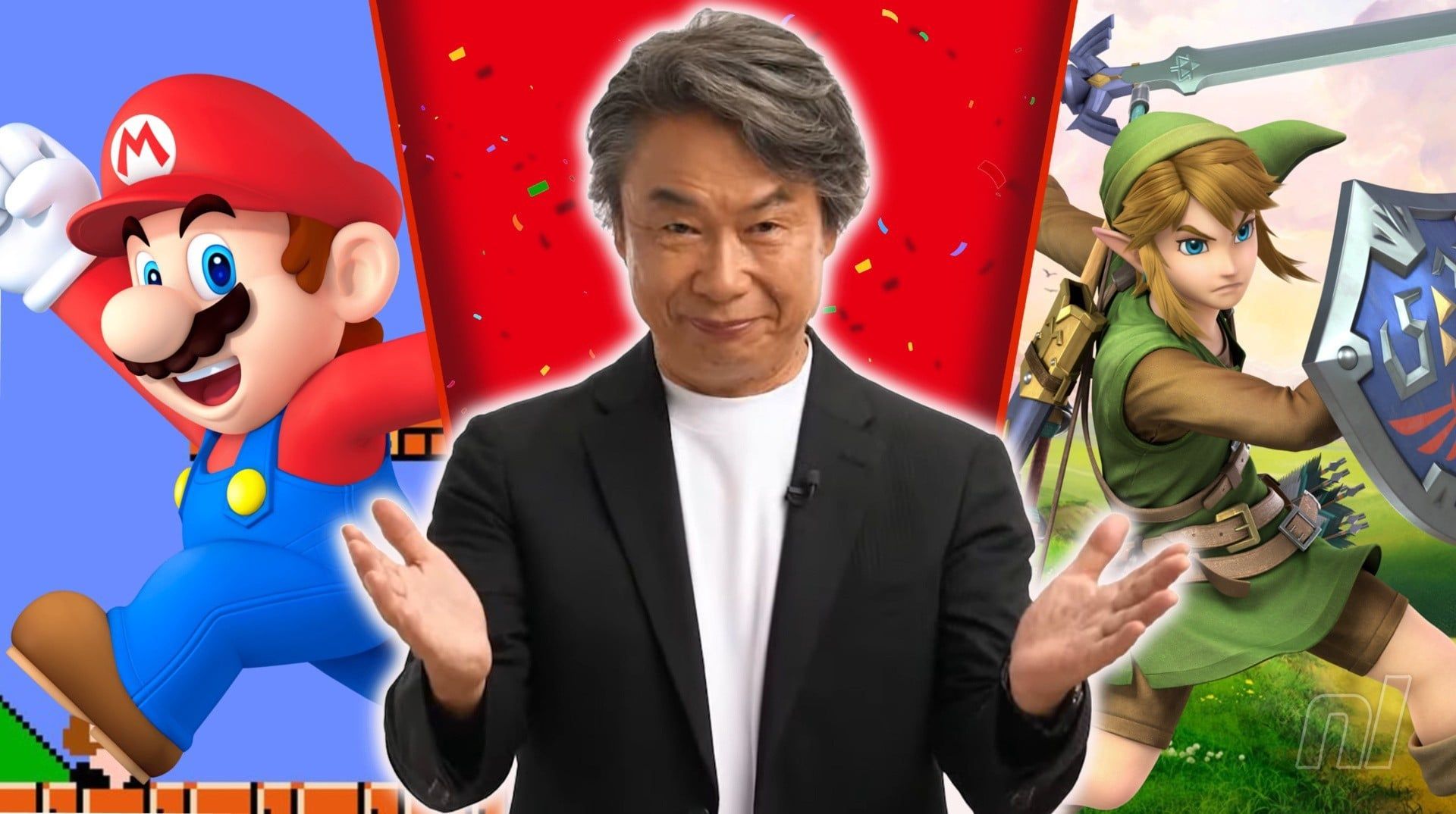
The creative world of gaming is often defined by the legends who shape its landscape. Among these titans, Shigeru Miyamoto stands as an icon—a figure whose touch has fundamentally redefined interactive entertainment. Yet, even a visionary of this magnitude occasionally pauses to reflect on the relentless demands placed upon the creator.
In a recent discussion about his future plans, Miyamoto offered a candid glimpse into the realities of high-level game design. He suggested that while the desire to create remains a powerful force, there may come a time when he simply wants to step away from the reins and enjoy the process rather than manage it.
“There might come a time when I want to do it,” Miyamoto stated, hinting at a yearning for a different kind of engagement with his craft.
This sentiment touches upon the immense scope of modern game development. Unlike the earlier eras, contemporary games require an extraordinary level of collaboration, often involving hundreds or even thousands of people working across various disciplines to bring a vision to life. Miyamoto acknowledged that managing such a vast and complex operation can be quite challenging.
The sheer scale of today’s projects demands a focus that goes beyond singular authorship. It is a testament not only to the brilliant ideas driving these games but also to the intricate systems required to manage massive creative teams.
Despite this reflective stance, Miyamoto remains deeply connected to the world he helped build. His involvement in projects like Pikmin Bloom demonstrates that his creative spirit is far from dormant. It suggests that if the right opportunities align, his influence will continue to shape new experiences.
Ultimately, Miyamoto’s comments serve as a reminder that even the greatest artists need time for rest and reflection. His journey highlights the balance between the boundless ambition of creation and the necessary peace found in appreciating the work, both as the architect and the admirer.
Buy on Amazon
Credit