Miyamoto on AI’s opportunity to reflect in game dev
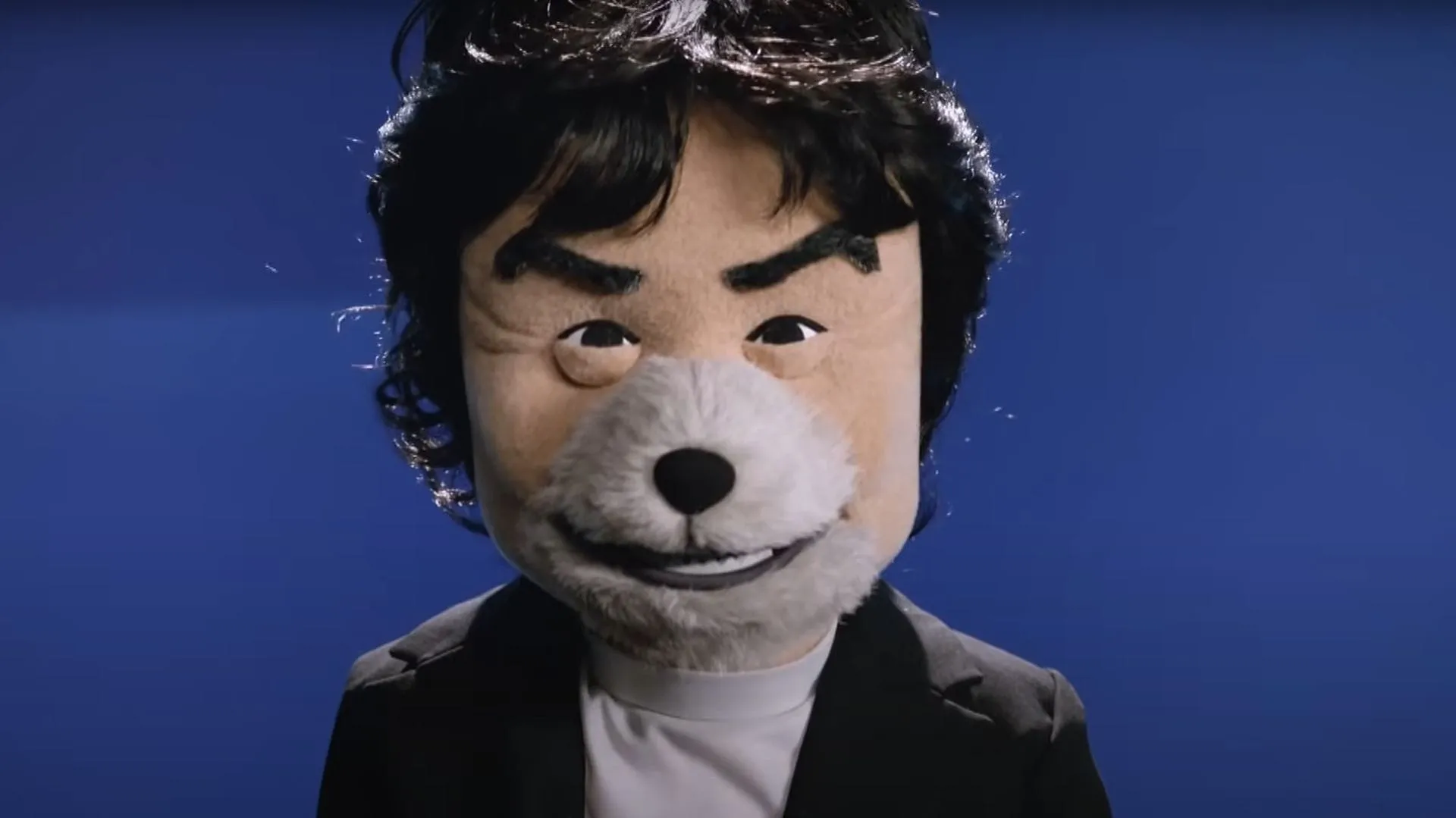
The future of creativity is being debated not just in boardrooms, but in the halls of video game design. Shigeru Miyamoto, the legendary Nintendo executive and visionary behind iconic franchises like Super Mario and The Legend of Zelda, is weighing in on the rise of artificial intelligence, positioning it not as a threat, but as the next logical step in technological evolution.
Miyamoto views generative AI as simply the latest wave in the relentless march of innovation. He draws a fascinating parallel between the current technological shift and previous revolutions, recalling how rapidly tools have evolved—from typewriters to word processors—and seeing AI as the newest evolution in this cycle.
When discussing the act of creation, Miyamoto distinguishes between the initial vision and the subsequent execution. He notes that when setting out to create, one first establishes the broad structure, and then comes the hands-on “labor”—the detailed work of filling in gaps and refining the final details. While he acknowledges that this labor can be inherently satisfying, he cautions that focusing solely on the labor itself can create a false sense of accomplishment, potentially obscuring the true quality of the final product.
This distinction leads to a crucial point about the role of the human mind. Miyamoto argues that true quality in design and creation stems from individual intent. He suggests that historical designs that were merely copies lacked this essential personal mark, demonstrating that the process relies on an individual’s intent, with the computer serving strictly as an assistant for the work.
In this context, AI is framed less as a replacement for human talent and more as an enhancement to the creative process. Rather than viewing it as a competitor, Miyamoto sees it as a powerful asset. By taking over certain repetitive tasks, AI frees up human creators to focus on the conceptual framework and the most critical decisions, allowing for a deeper reflection on what truly matters in art and development.
Ultimately, the legend believes that even as technology continues to advance, the human element remains irreplaceable. He maintains that AI works with and for people, rather than instead of them. While he acknowledges the potential for AI to handle vast amounts of data, he remains convinced that there will always be a unique human role at the center of future innovation, ensuring that the next generation of groundbreaking games and creations will carry a distinct, undeniable human touch.
Buy on Amazon
Credit