More Expedition 33s needed before games become financial risks
When Clair Obscur: Expedition 33 landed, it didn’t just sell; it set a new benchmark. With total sales soaring past eight million copies, the game delivered an emotional punch, reshaping expectations for what an AA title could achieve. It demonstrated that smaller teams, fueled by bold creative risks, could deliver blockbusters that make players cry, yet the industry remains hesitant to embrace this success fully.
This massive reception, while celebrated by players and critics, has sparked a subtle but persistent anxiety among publishers. The segment of the market known as AA—games made by smaller, independent teams—is viewed with caution. It is as if the warm, creative winds inspired by titles like <Clair Obscur: Expedition 33> disappear as soon as the financial spreadsheets are opened.
Director Radek Ratusznik, who is leading the development of <Valor Mortis>, points out that this skepticism is the real roadblock. He argues that while the success of is undeniable, it hasn’t fundamentally changed the publisher’s mindset regarding the risk associated with AA projects. For Ratusznik, the industry needs more unprecedented bestsellers to truly prove that quality and innovation do not require massive budgets.
He suggests that if publishers want to foster a healthier environment for developers, they need more examples of AA excellence. “We probably need a few more to just prove them wrong,” he contends. He notes that there are numerous capable companies that can deliver exceptional titles within the AA scope and budget, challenging the notion that only multi-hundred-million-dollar investments guarantee success.
The core issue, according to Ratusznik, is the demand for a miracle. Publishers don’t just want a lean team that knows what they are doing; they want a guarantee. Ratusznik acknowledges the reality of development, emphasizing that creating a high-quality game requires proper time for development and testing, a process that often clashes with the desire for rapid, high-stakes launches.
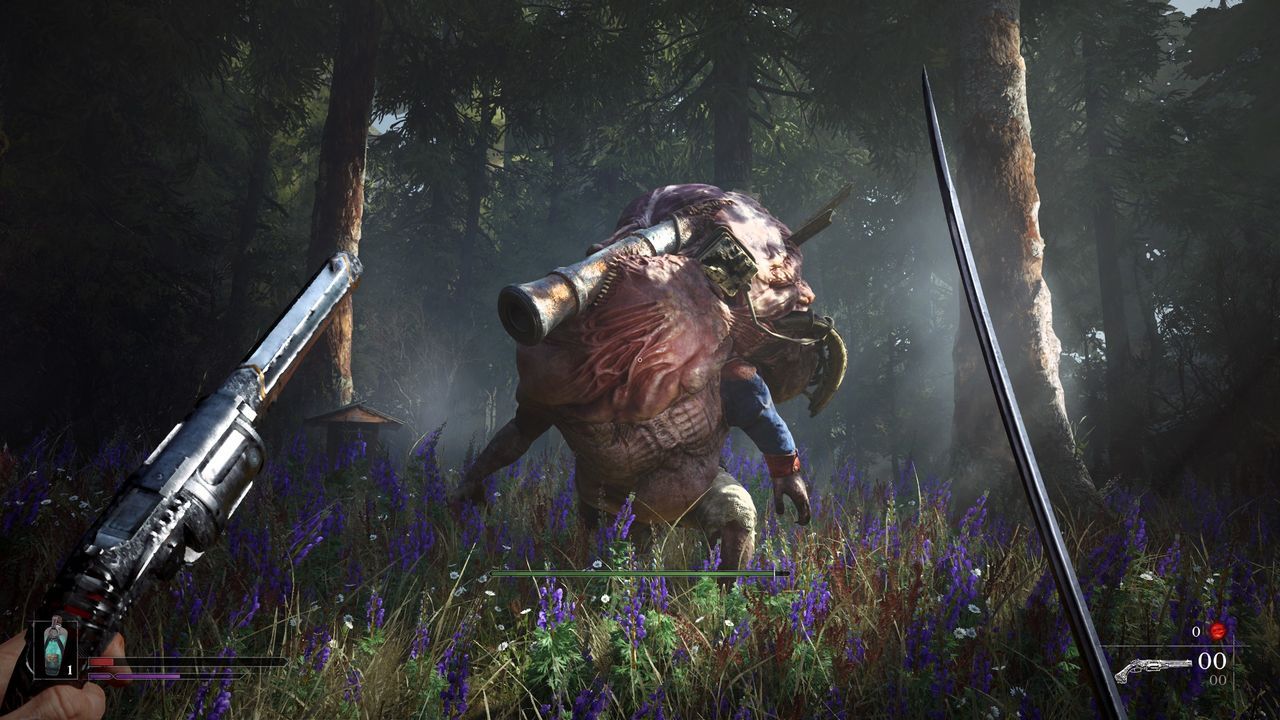
It is in this environment that newer, ambitious projects are poised to lead the charge. <Valor Mortis>, a first-person soulslike steeped in zombie combat, is emerging as a potential catalyst for change. Ratusznik admits that while he thoroughly enjoyed the <Valor Mortis> demo, its atmosphere—a “19th century French battle for moral greyness”—feels like a spiritual successor to the artistic ambition of .
It is this kind of innovative, focused development that Ratusznik believes holds the key to unlocking the future of the genre. Whether it is the proven success of or the emerging promise of <Valor Mortis>, the conversation is shifting: the industry must recognize that the most groundbreaking and emotionally resonant experiences often come from those willing to take creative leaps outside the traditional, massive development framework.
Buy on Amazon
Credit