
Mortal Shell 2 Action Visuals Review
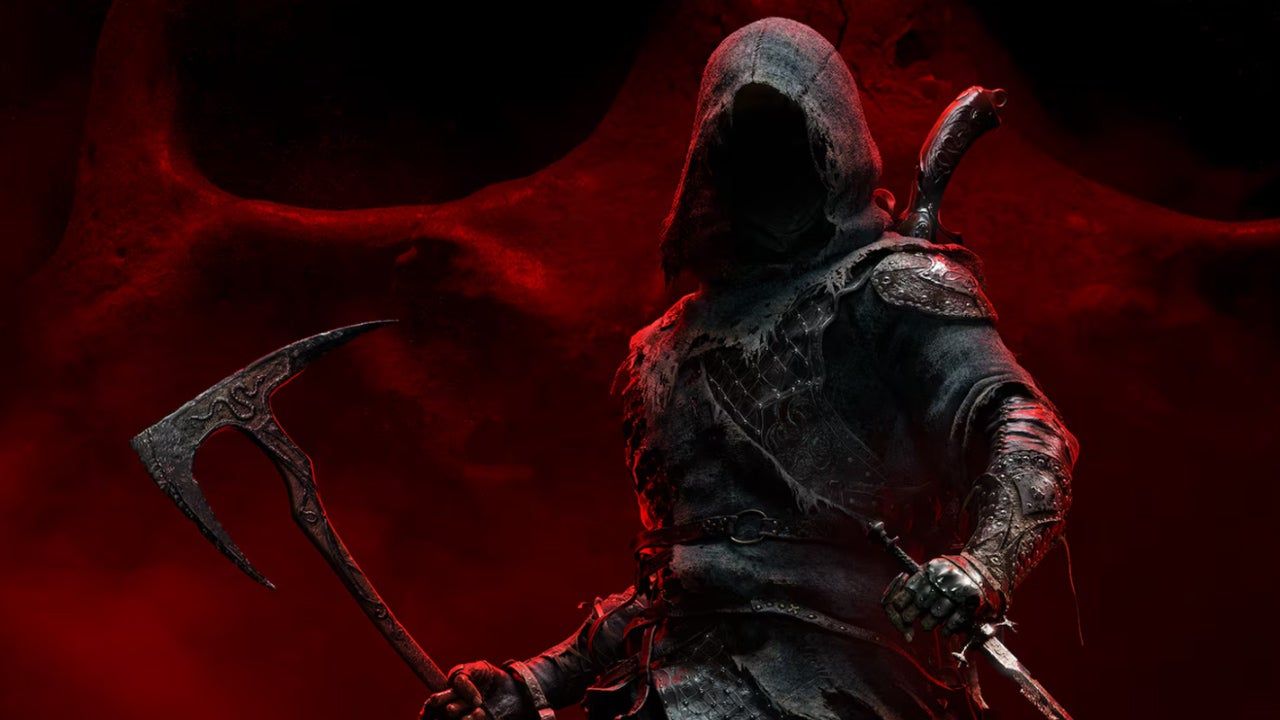
When a game doubles its scale, the first instinct is often skepticism. Was the expansion truly worth it? For fans of the soulslike genre, especially those familiar with the clever, scaled-down approach of Mortal Shell in 2020, the enthusiasm for Mortal Shell 2’s larger scope can feel like a leap of faith. But stepping into the sequel reveals that size wasn’t just about spectacle; it was about offering vastly improved opportunities for exploration and combat.
While the game retains its rough, challenging edges—some technical quirks and pacing issues linger, especially toward the conclusion—the overall experience is a significant upgrade. The world itself, the act of exploring it, and the gritty skirmishes encountered are all greatly enhanced, creating a much richer adventure.
At the heart of the gameplay remains the innovative body-swapping mechanic. In the first installment, piloting a creature with sinewy, shifting forms was a core delight. This concept, allowing the player to embody the abilities of dead warriors, remains a brilliant foundation. When a shell takes a beating, the player is jettisoned back into their original form, offering a dynamic system for survival and re-engagement that is still highly satisfying.
Mortal Shell 2 doubles down on this versatility, offering a much larger and more varied roster of shells. Beyond the familiar faces, the sequel introduces a fresh cast of characters, including a ferocious cannibal, an armor-clad alien, and a time-stopping cultist, all of whom fit seamlessly into the macabre aesthetic of the world.
The evolution of the shells is perhaps where the true innovation lies. Where previous iterations differentiated shells primarily by passive life bars, Mortal Shell 2 introduces distinct active abilities that profoundly impact combat. For instance, one shell might gain the ability to phase out for stealth, while another can utilize a powerful charge attack, adding layers of tactical depth to every encounter.
This increased differentiation made switching between forms into a rewarding experience, transforming simple combat tricks into complex, dynamic interactions. The systems governing these shell abilities are balanced to encourage experimentation, rewarding players who master the unique interplay between shells and weapons.
The arsenal itself has ballooned, featuring eight melee weapons and eight ranged sidearms, each possessing unique strengths and weaknesses. This expansion encourages creative mixing and matching. Some weapons excel at stacking debuffs, others offer incredible range, and some demand careful, calculated execution. The ability to combine light and heavy attacks, and weave them into powerful combos, rewards players who experiment with the system to maximize damage while minimizing wind-up time.
Stamina has been replaced by Resolve, a meter fueled by aggressive melee strikes. This change forces players to stay actively engaged in combat to reap the benefits of ranged attacks and shell abilities, ensuring that every action contributes to the overall momentum of the fight. The system creates a gratifying feedback loop where staying aggressive is essential to unlocking the game’s full arsenal.
Defensive options also evolved, offering players a nuanced choice in how they manage threats. Options like hardening the body to repel attacks or executing a parry introduce tactical choices that can act as a de facto difficulty modifier, allowing players to choose a path that suits their risk tolerance.
Adding to the complexity are Tarstones, items that can be slotted into weapons and shells to grant passive bonuses, elemental properties, or entirely new abilities. While these can lead to deep min-maxing, the best moments often come from finding uniquely effective combinations, allowing players to craft custom playstyles.
The journey itself is equally compelling. The game’s world, reimagined as a sprawling, twisted landscape, demands exploration. The central hub has expanded into a vast pangea of bizarre flora and dilapidated kingdoms, forcing players to navigate countless paths. Each corner reveals a new, self-contained mini-adventure, whether it’s a puzzle-filled tunnel, a desolate mine, or an arena for a desperate fight.
This world is steeped in a deeply unsettling atmosphere, perfectly channeling the dark wonder of the genre. The enemies are a chaotic mix of nightmares—from surly knights and crazed cultists to bizarre, bearded skulls—elevating the experience with a palpable sense of dread. By leaning so confidently into the creep factor, the game successfully delivers a cursed landscape that feels uniquely inspired by its lineage, proving that sometimes, going above and beyond the expected aesthetic is the most rewarding path.
Buy on Amazon
Credit