
New Deals Unlock Amiga FPGA Remakes
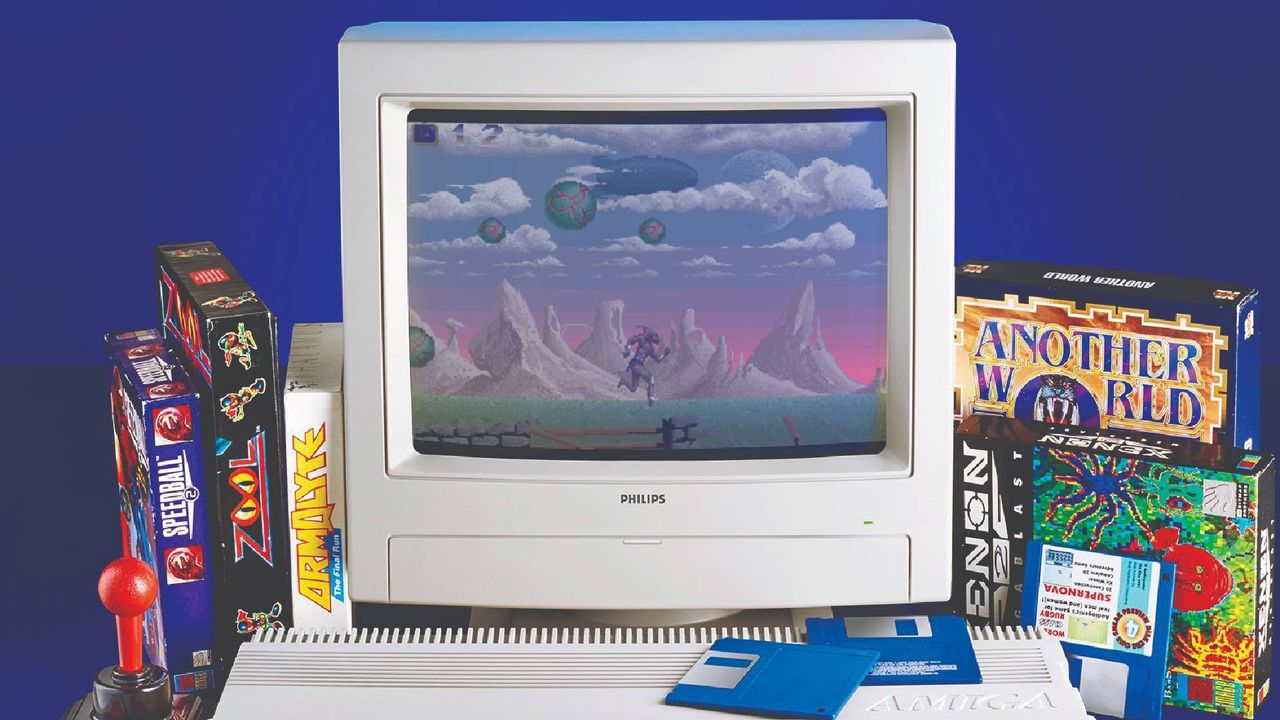
The world of retro computing is buzzing with renewed energy, driven by the resurrection of legendary microcomputer brands like Commodore and Amiga. While bringing back the Commodore 64 Ultimate marks a clear victory, resurrecting the Amiga presents an entirely different challenge: untangling fragmented intellectual property from the 1990s.
This resurrection process requires making sense of IPs that were scattered among various parties following the demise of the original companies. However, recent landmark agreements are finally providing a solid framework, bringing the industry one step closer to seeing a genuine FPGA comeback.
At the heart of this progress are crucial legal settlements between Commodore International, the Amiga Corporation, and Hyperion, the developers of the essential AmigaOS 4 & 4.2 Codebase.
One key agreement establishes a licensing framework that respects the rights of both the new FPGA microcomputer maker and the trademark holder. Furthermore, a separate deal successfully resolved an ongoing dispute dating back to 2009.
In a statement addressing these arrangements, the Amiga Corporation confirmed its position: while recognizing Commodore International’s ownership, they emphasize that the principal rights and assets of the Commodore and Amiga eras rest with Amiga. This licensing structure allows for continued development while clearly defining which software and trademarks are licensed for specific purposes.
The agreement ensures that Hyperion Entertainment continues to develop and distribute AmigaOS 4 under license from Amiga, preserving the rights surrounding the independently developed code. The landmark status of these deals signals a significant step in removing legal barriers that previously complicated efforts to recreate classic systems.
This clarification means that while the immediate launch of an official Commodore Amiga Ultimate is not imminent, the path for creating modern hardware is now substantially clearer should CEO Christian Simpson decide to explore more complex remakes using FPGA technology.
The focus remains on innovation. Meanwhile, competitors continue their own pursuits—emulation-based remakes are already underway, and other ventures keep the spirit of retro computing alive, whether through handheld devices or unique hardware concepts designed for today’s market.
Buy on Amazon
Credit