
Nintendo’s identity in decline
The Soul of Nintendo: Where Innovation Meets the Quest for Perfection
In the world of gaming, few companies possess the cultural weight of Nintendo. Yet, as the console wars rage and graphical fidelity becomes the ultimate benchmark, a quiet question emerges: what is the true soul of Nintendo, and where does it lead them next?
For years, discussions around the company have touched on bold design choices and internal philosophy. Some jokes about chasing modern standards—like an Unreal Engine Mario with slick, hyper-realistic graphics—suggest a tension between Nintendo’s heritage and the relentless push for technical modernity. But this critique often misses the deeper truth: it touches upon what defines their unique approach.
The company’s identity is rooted in making decisions that feel uniquely theirs. This philosophy was crystalized long before the current generation of hardware, dating back to a pivotal moment when Nintendo decided not to chase photorealistic standards but instead focus on innovation through design and experience.
The Genesis of Lateral Thinking
A defining moment came with the launch of the GameCube in 2000. While competitors were focused on raw teraflops, Nintendo unveiled a system that championed quirky character design over brute graphical power. This approach was not accidental; it was a deliberate choice that separated them from their rivals and cemented their legacy.
This foundational philosophy, often attributed to the brilliant mind of Gunpei Yokoi, is summarized as Lateral Thinking with Withered Technology. Instead of battling for graphical supremacy—an expensive and increasingly bloated endeavor—Nintendo found genius in maximizing underpowered components through inventive design. This doctrine allowed them to create games that felt intentional, rather than merely technically impressive.
This concept was powerfully demonstrated in the evolution of franchises like The GameCube. While some felt the initial graphical demos lacked vision, they were laying the groundwork for a unique aesthetic that would later be celebrated as visionary.
The Zelda Paradox
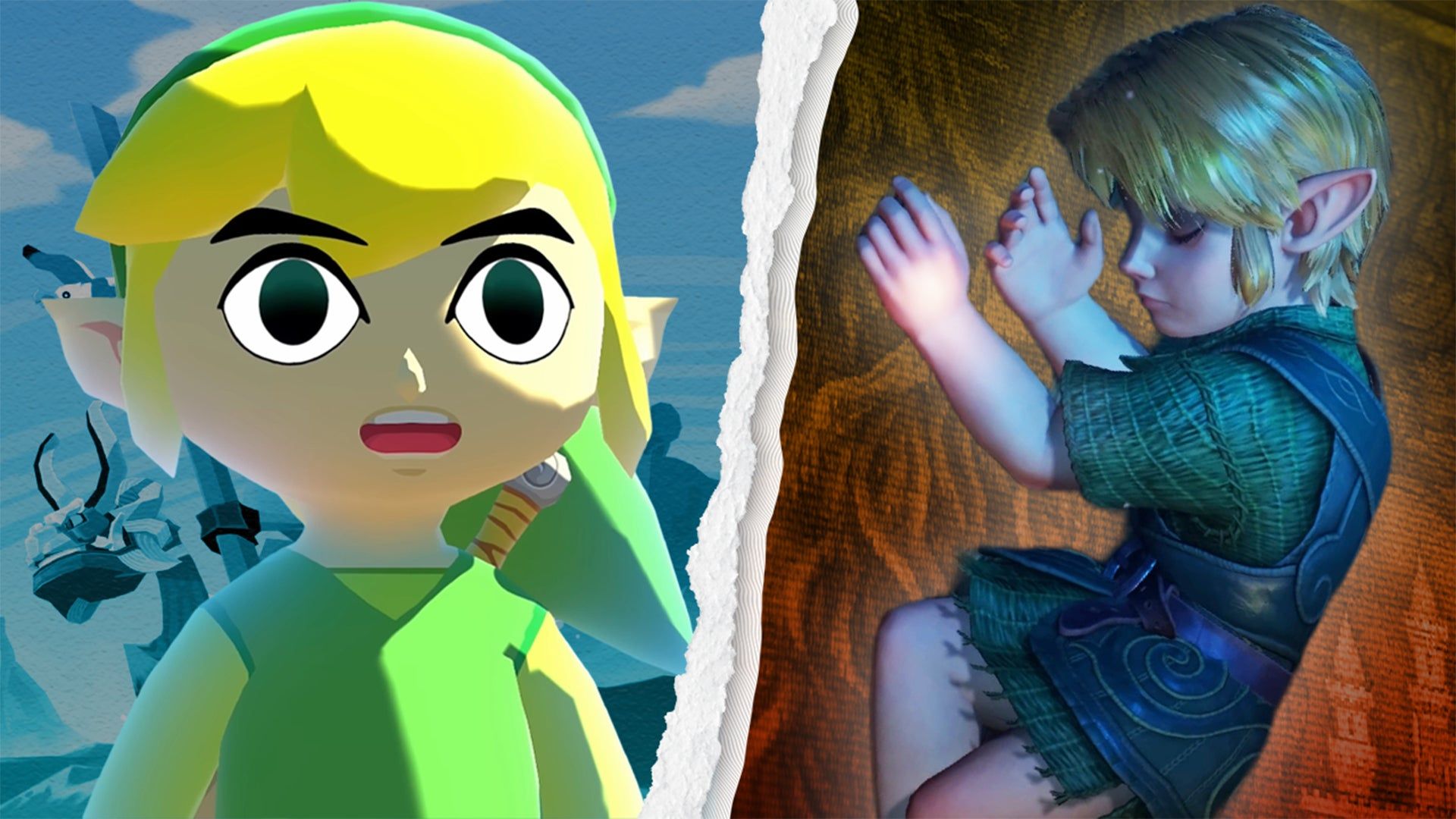
This tension between aesthetic choice and expectation is perfectly illustrated by the history of The Legend of Zelda: Ocarina of Time. The initial reception to the GameCube’s graphical demos, particularly those surrounding the remake of Zelda, sparked massive fan outcry. Calls for “realistic” graphics and deeper plots highlighted a desire for AAA polish. Yet, this very controversy proved how deeply invested fans were in seeing Nintendo deliver quality that aligned with their vision.
Hindsight has shown that Nintendo’s artistic spirit endures. While some early iterations faced backlash, later creations like Wind Waker showcased a bold, unique art style that has become iconic. The journey from the demanding Spaceworld demos to the beloved aesthetic of Zelda proves that Nintendo often prioritizes a distinct vision over immediate graphical trends.
Navigating the New Era
As hardware power escalated, like with the PlayStation 2 and Xbox, the question became: how does Nintendo maintain its unique identity? The answer has often been to redefine what success means. The shift to the Wii proved that revolutionary gameplay—built from the ground up around cost-effective hardware—could still deliver massive success, demonstrating that soul resides in the experience, not just the processing power.
Today, as Nintendo navigates new landscapes, including the pursuit of graphical updates and expansive licensing deals, they face a fascinating dilemma. They must balance their deeply ingrained philosophy with commercial demands. Whether it is remaking classics or pushing for next-generation visuals, the key remains whether the innovation serves the heart of the company.
Ultimately, the success of Nintendo lies in its ability to maintain an idiosyncratic spirit amidst massive commercial pressures. The future hinges not on chasing perfection, but on continuing to ask what makes a game uniquely Nintendo, allowing their history and unique viewpoint to guide the next great adventure.
Buy on Amazon
Credit