
Old RPG programmer reveals why Baldur’s Gate 3 is so different
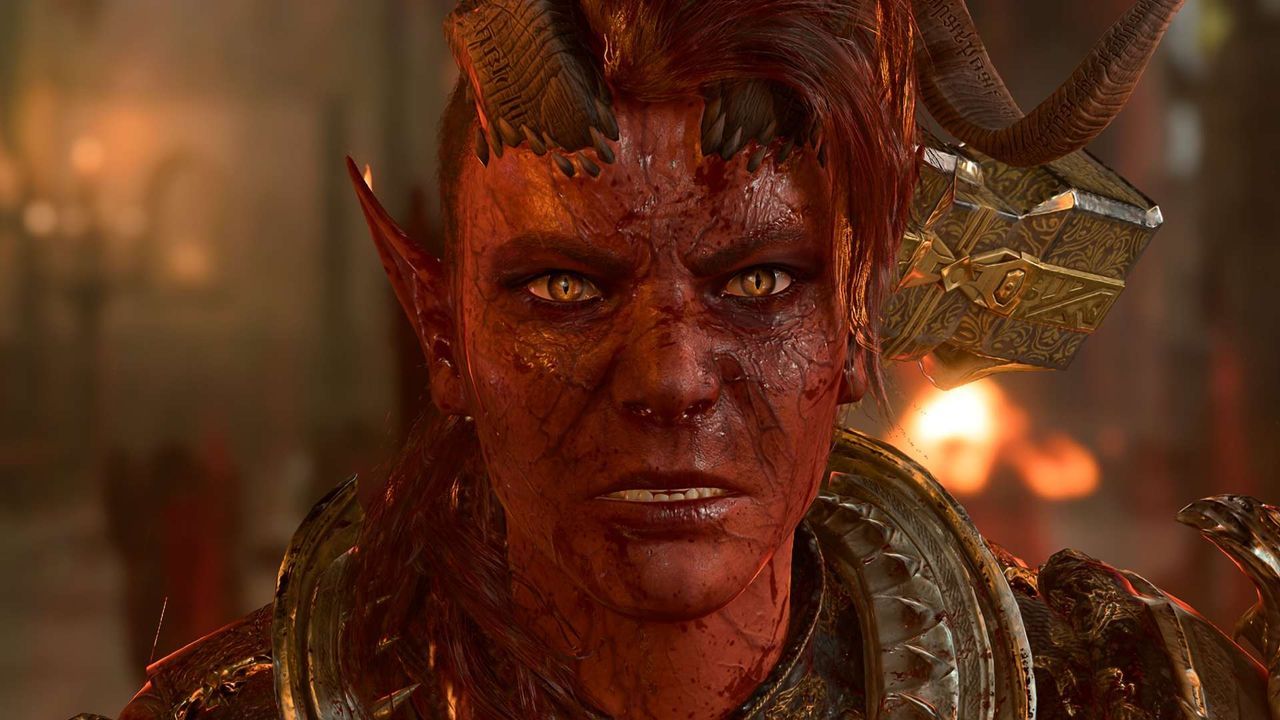
When discussing the evolution of massive role-playing games, the line between a perfect sequel and a faithful adaptation can be incredibly blurry. Former developer Mark Darrah believes that this distinction is especially relevant when looking at the success of Baldur’s Gate 3, arguing that its brilliance stems directly from how it deliberately stepped away from strict sequel expectations.
Darrah, who contributed to the original Baldur’s Gate series and its follow-up, notes that one of the greatest strengths Larian achieved with Baldur’s Gate 3 was its refusal to be “super literal” about what a sequel should look like. In an industry that often favors direct lineage, Darrah suggests that this deviation proved to be the right creative choice for this particular game.
He contrasts this approach with other titles in the genre, pointing out that games like Pillars of Eternity often feel like a more straightforward spiritual successor to classic CRPGs like Baldur’s Gate or Icewind Dale. While he respects those adaptations for their fidelity to inspiration, he suggests that moving forward, the industry has evolved so much that striving for perfect faithfulness is no longer the ultimate goal.
The shift in perspective highlights how development has moved over time. Darrah reflects on the modern landscape of RPG creation, noting that if one were to draw a line between influential predecessors like Neverwinter Nights and Dragon Age Origins, it leads logically toward a game like Baldur’s Gate 3. This entire arc demonstrates a growing trend where games push creative boundaries rather than simply mimicking their ancestors.
Larian Studios has skillfully blended these influences. Darrah points out that the studio flavor and adaptation stem from a rich mix of CRPGs they worked on, including Baldur’s Gate 1 and 2, alongside other inspirations such as Divine Divinity. This tapestry of influence allows them to craft a unique experience that honors its roots without being bound by them.
Ultimately, Darrah views the result not as a missed opportunity for perfect imitation, but as a triumph of creative freedom. He concludes that Larian achieved something wonderful by taking the necessary liberties, confirming that Baldur’s Gate 3 is indeed a great sequel because it understood and embraced the vast gap in time, successfully navigating the evolution of the RPG genre.
Buy on Amazon
Credit