
Onimusha Way of the Sword Final Action Preview
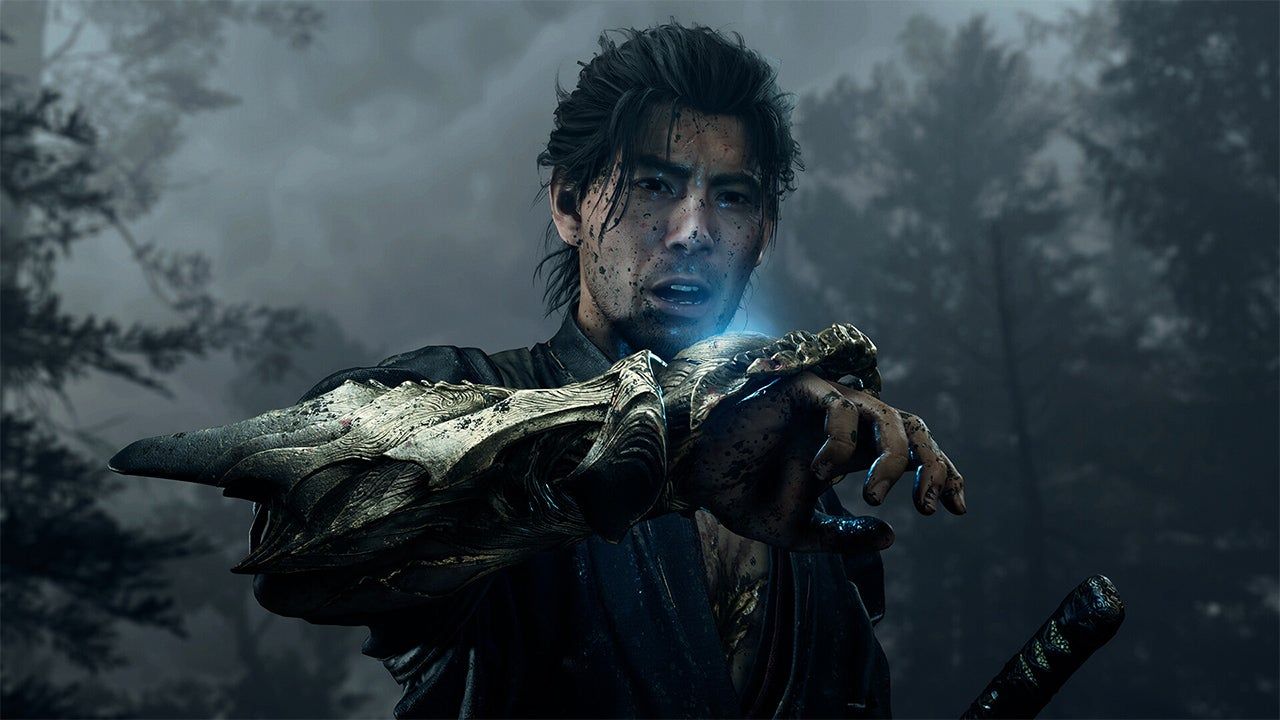
is a fascinating study in action game design. On one hand, it demands mastery through intense, grueling boss battles; on the other, it offers surprising leniency when dealing with standard enemies, allowing players to dispatch them almost at will. These seemingly conflicting philosophies coexist throughout the experience, creating a unique synergy that defines the game’s appeal.
The early experience, including public demos like the one featuring Kiyomizu-dera Temple, often left players feeling that the game was surprisingly accessible. This ease, however, quickly dissolved once players encountered formidable opponents like Sasaki Ganryu, waiting on the famous stage of Kiyomizu’s main hall. This dynamic sets up a core tension in the game: the thrill of mastering seemingly impossible opponents versus the joy of executing stylish combat.
The game manages to embrace both satisfaction types equally. It doesn’t just ask players to be persistent; it rewards them for making every encounter look cinematic. Much like other titles, Onimusha: Way of the Sword dynamically adjusts its combat animations based on player and enemy positioning. Guarding while turned away or luring foes toward a wall triggers unique visual sequences, allowing players to choreograph visually stunning sword fights. This freedom ensures that the act of fighting is as much about presentation as power.
The combat system itself is layered with subtle, yet profound, mechanical choices. Attacks operate as light and heavy strikes, with simultaneous attacks triggering a Blade Barrage mechanic. Furthermore, defensive maneuvers are split between Deflect and Parry. Parrying demands precise timing to stagger opponents, while Deflecting—by holding the guard button and pressing the controller’s X button during an attack—allows players to safely intercept blows and deplete the enemy’s Stamina gauge. This gauge functions similarly to meters found in other challenging action games, offering a crucial choice: prioritize immediate openings via Parry or focus on depleting the enemy’s energy through Deflect?
The game culminates in Issen, a devastating counterattack triggered by striking the exact moment an enemy attacks. While immensely satisfying and flashy, this mechanic is inherently risky, placing the player at high risk if timing is missed. This element perfectly encapsulates the game’s philosophy: high risk and high reward, balancing brilliant execution with demanding precision.
Beyond the combat mechanics, the world of Onimusha offers a surreal escape. The area known as the Oni Refuge is a landscape of floating ruins and massive rock formations, reflecting an ancient, supernatural conflict between the spiritual Oni race and the evil Genma faction. This setting introduces unique environmental puzzles, where players must utilize magical tools, such as the Oni Bow, to manipulate the environment—shooting boulders or clearing paths—fostering a sense of cleverness rather than pure spatial exploration.
The boss battles amplify this blend of action and puzzle. Daidara, a colossal Genma monster, dramatically redefines the classic Soul Absorption mechanic. Instead of simple soul collection, Daidara becomes an active participant, absorbing souls to power up, forcing players into a frantic race where they must continually attack his swelling stomach to recover consumed souls. This transforms a familiar system into an intensely interactive struggle, making each confrontation feel fresh and unpredictable.
The narrative flow shifts between intense combat sequences and exploration zones like Kyoto, which serves as a welcome breather. While the open world allows for quest completion and gathering items, the true impact of Onimusha: Way of the Sword lies in its bosses. Each encounter is meticulously designed to evolve, with formidable opponents like Rasho-gan introducing their own unique gameplay twists. By mastering these evolving challenges, players discover that the game doesn’t rely on constant exhaustion, but rather shifts seamlessly between moments of intense concentration and opportunities for truly stylish swordplay.
Buy on Amazon
Credit