
Power Rangers Dead Budget Kills Disney Series
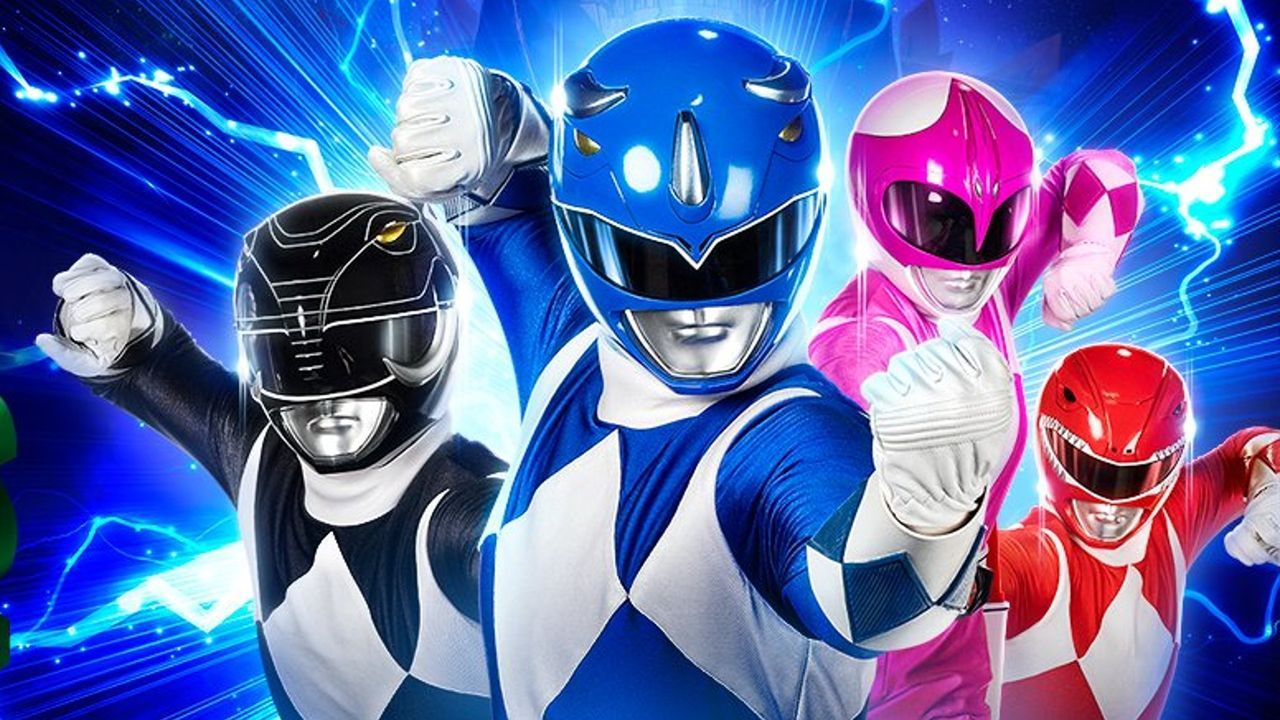
In the high-stakes world of live-action television, sometimes beloved franchises have to hit the brakes. Disney has officially scrapped plans for its Power Rangers series, signaling that the dream of bringing the colorful heroes to Disney Plus has met a firm financial reality check.
The decision comes down to budget constraints. While the potential for a streaming adaptation is immense, the costs associated with rebooting or developing such an expansive property often prove insurmountable. As is the case with major intellectual properties, securing the necessary funding can be a brutal hurdle, especially when dealing with established but complex global franchises.
This situation highlights a fundamental truth in Hollywood: ownership matters. Unlike Marvel or Lucasfilm, where the studio controls the entire creative vision and ownership, Disney does not own the Power Rangers brand itself. That title belongs to Hasbro, which manages the IP and the associated merchandise. This dynamic introduces layers of complexity when attempting large-scale adaptations.
The project had been in development for some time, with announcements circulating as early as 2024. The creative team behind the series, Jonathan E. Steinberg and Dan Shotz—best known for their work on popular shows like Percy Jackson and the Olympians—were tasked with navigating this ambitious live-action vision.
The Power Rangers franchise boasts a legacy stretching back to 1993, establishing its colorful heroes across multiple television series and generating massive cultural impact through merchandise. Yet, even established legacies face tough spots. The latest cinematic venture, one of the most anticipated moments, did not quite deliver the expected returns.
The recent movie adaptation, which aimed to kickstart a new era for the franchise with sequels in sight, ultimately fell short of expectations financially. Reports indicate the film earned $142 million worldwide against a predicted budget of $110 million, demonstrating that market appetite and financial viability are often separate battles entirely.
When adaptation meets financial reality, creative ambitions must sometimes yield to practicality. The Power Rangers story serves as a poignant reminder that even the most beloved superhero and pop culture legacies must be carefully managed—not just for their artistic merit, but for the complex business of intellectual property ownership and sustainable production.
Buy on Amazon
Credit