
PS5 refund drama: Sony gets tariff money despite lawsuits
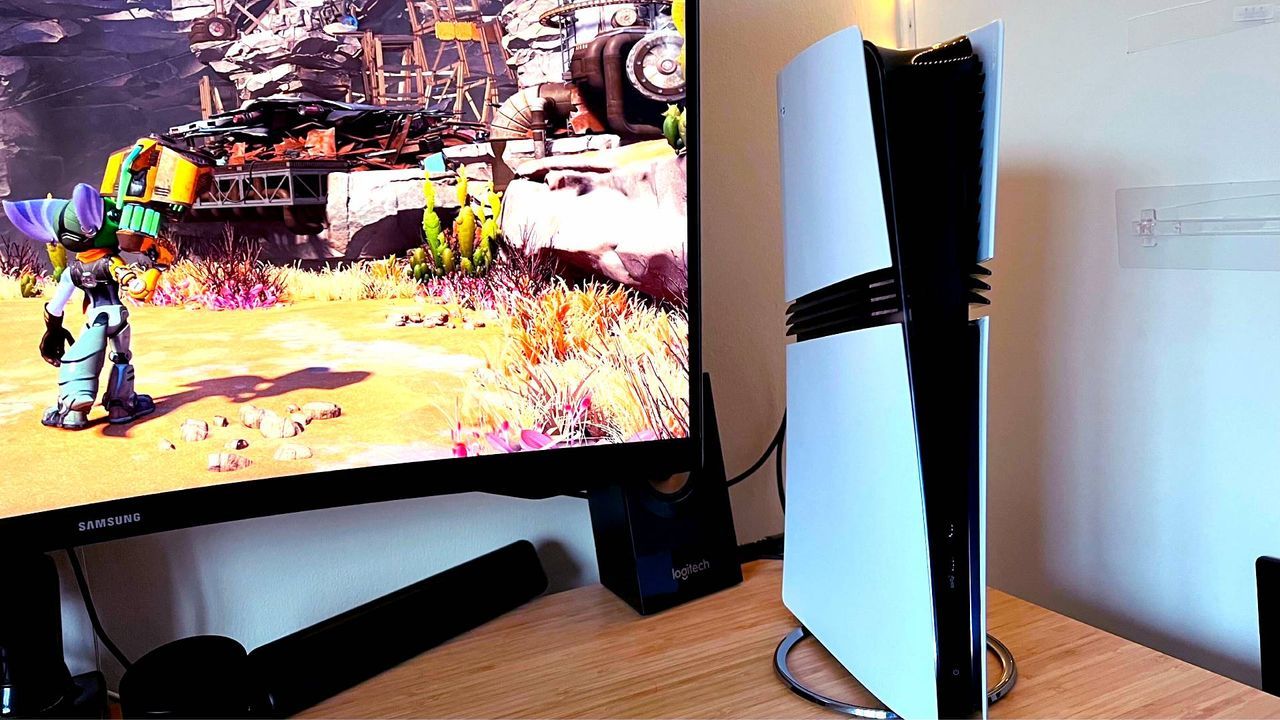
The Tariff Tangle: How Sony’s Console Refunds Are Playing Out in Court
When global trade rules shift, consumers often brace for the impact on their wallets. But when a massive government refund hits a major corporation, the story goes far beyond simple financial accounting. For Sony, the recent large-scale tariff refunds—stemming from previous disputes over international trade—have created an interesting legal and financial standoff regarding pricing and consumer compensation.
Sony has reportedly received a substantial sum of ¥80 billion ($508 million) back from the United States government following a Supreme Court ruling that invalidated President Trump’s sweeping global tariffs. While this is a significant inflow for the company, the real tension lies in how that money relates to the increased prices PlayStation implemented for the PS5 consoles.
The question isn’t just about corporate receipts; it’s about consumer refunds. Although Sony has received the funds, they have remained tight-lipped about offering rebates or refunds to the consumers who purchased these consoles at the inflated tariff-driven prices.
Insiders suggest that the gaming division bore a disproportionate share of the cost increase. Comments from Sony’s chief financial officer, Lin Tao, indicated that the majority of the collected government refund was allocated to PlayStation, suggesting the gaming segment absorbed the brunt of those tariff-related cost increases.
Specifically, unnamed executives confirmed that approximately 70% of the total tariff refund—about $356 million—was processed between April and June 2026. This leaves an estimated $152 million still pending collection by Sony from the US government.
This situation pits corporate finance against consumer expectation. While one might assume that those who paid higher prices should receive some of the money recouped by the manufacturer during the tariff reversal, Sony has yet to signal any such plan. This contrasts sharply with reactions from other industry players; for instance, the maker of the Nintendo Switch 2 rejected responsibility for tariff-inflated pricing, insisting that consumers received exactly what they agreed to purchase.
The uncertainty is now moving into the legal arena. Sony is reportedly preparing to respond to a consolidated class action lawsuit filed by a group of PlayStation users, signaling that the financial settlement might require navigating complex legal arguments about corporate liability and consumer rights.
Ultimately, the story of the PS5 refund isn’t just about billions of dollars; it’s a fascinating case study in how international trade shifts ripple through the supply chain, forcing large companies to choose between fiduciary duty and the public expectation of fairness.
Buy on Amazon
Credit