
RAM Crisis: Killing Handheld Gaming
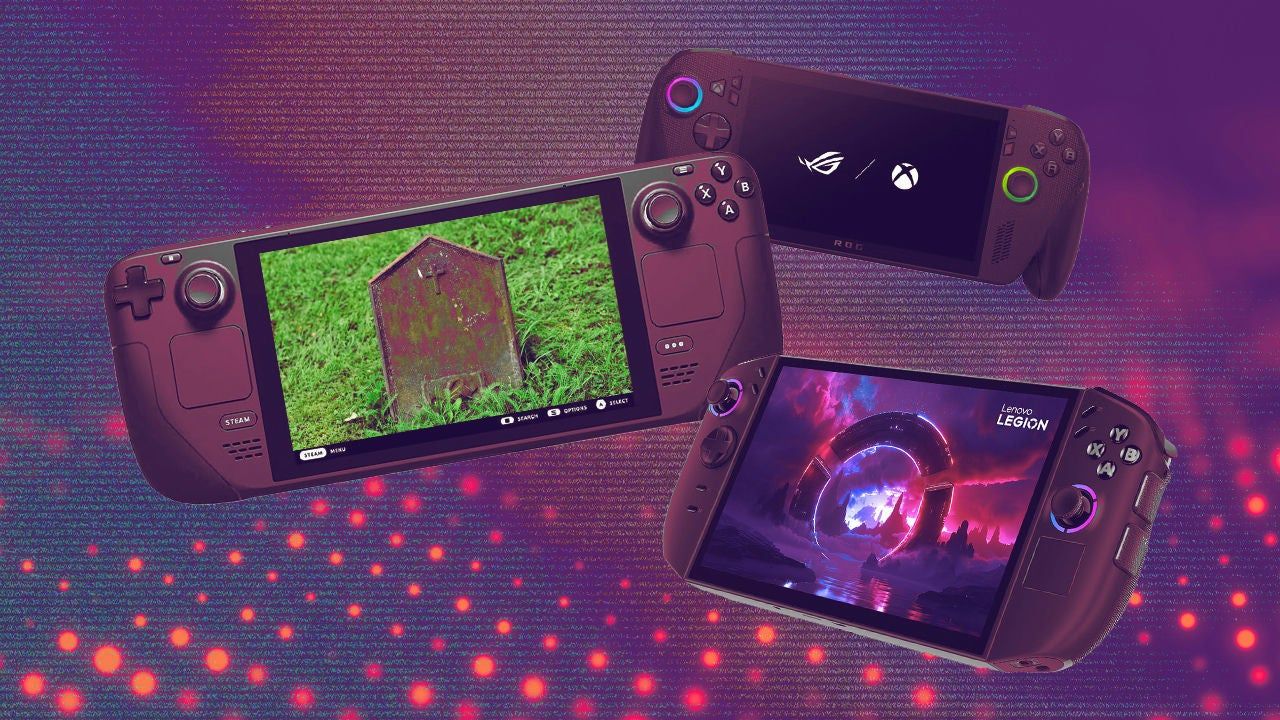
The handheld gaming PC has officially become one of the most exciting spaces in modern technology. Over the last five years, devices designed for portable play have evolved rapidly, fueled by continuous advancements in powerful hardware and smarter operating systems.
If we set aside the sticker shock for a moment, the sheer quality of current handhelds is genuinely incredible. Devices like the Xbox Ally X introduced controller-friendly interfaces to Windows, while machines such as the MSI Claw 8 EX AI+ demonstrated that high-performance gaming—running demanding titles at smooth framerates without motion sickness—is achievable in a portable form factor.
But this technological leap comes with a heavy price tag. While innovation flourishes, the cost of these specialized devices often makes the calculus difficult for many consumers. Even with impressive internals, entry into the handheld market can feel like entering an exclusive club.
The journey began with pioneers like the Nintendo Switch and the Steam Deck. The Steam Deck revolutionized portability, allowing users to take beloved indie titles on the go, though it often required scaling down settings for more demanding AAA experiences. While the Switch offered charming experiences, many gamers found themselves defaulting to Steam for a broader library that could be ported anywhere.
As competition heated up, manufacturers introduced new challengers. Devices like the ROG Ally and the Lenovo Legion Go made 1080p gaming more viable, often utilizing AMD Ryzen chips. However, the hardware race quickly pivoted toward next-generation architecture.
At major industry events, a true arms race was underway. Intel introduced new handheld gaming chips like the Arc G3 Extreme, setting the stage for a dramatic shift. Later developments, such as Lenovo’s Legion Go S, hinted at future possibilities, exploring non-SteamOS powered handhelds and waiting for a truly next-generation chip from Valve.
The pace of change, however, has been marked by incremental updates rather than massive leaps in performance. While chips like the AMD Z2 Extreme offered power, the resulting handheld experience often felt somewhat constrained compared to newer options. This slow, steady growth meant that users were increasingly accepting slightly older hardware without a major drop in performance.
The true game-changer seems to be the ongoing crisis surrounding memory costs. Unlike traditional desktop gaming where an expensive graphics card like an RTX 5080 might justify its cost, handheld PCs are heavily penalized by the escalating price of RAM. As the cost of memory increases dramatically, investing in a powerful handheld becomes proportionally more challenging.
This dynamic is visible across the market: top-tier devices like the MSI Claw 8 EX AI+ boast peak performance, yet they compete against options like the Lenovo Legion Go 2, which might offer weaker specs but come with a lower price point—or an open-box deal featuring older components. Even the Steam Deck itself has seen its price increase significantly, further dampening the appeal for many.
Ultimately, while handheld gaming PCs continue to push the boundaries of portable performance and design, the rising cost of hardware means that accessibility remains the biggest hurdle. We are excited about what’s coming in terms of integrated graphics and mobile CPUs—like Intel’s Panther Lake—but we must watch closely to see if the market can navigate the memory crisis without pricing out the next generation of handheld enthusiasts.
Buy on Amazon
Credit