Refund This Game devs back Steam’s refund policy
The digital marketplace often generates intense debates, but recently, the focus shifted to a frustrating, yet oddly inspiring, administrative hurdle: the Steam refund policy. This summer, a particular dispute surrounding the two-hour refund window sparked a fascinating idea among developers, turning policy frustration into a playable challenge.
Mateo Covic, known for his work on Paddle Paddle Paddle, was part of a wider discourse where players and developers questioned the limits of the refund system. Rather than simply lamenting the rules, Covic and others decided to push the boundaries of the policy by creating a game designed specifically to test the limits of time and skill.
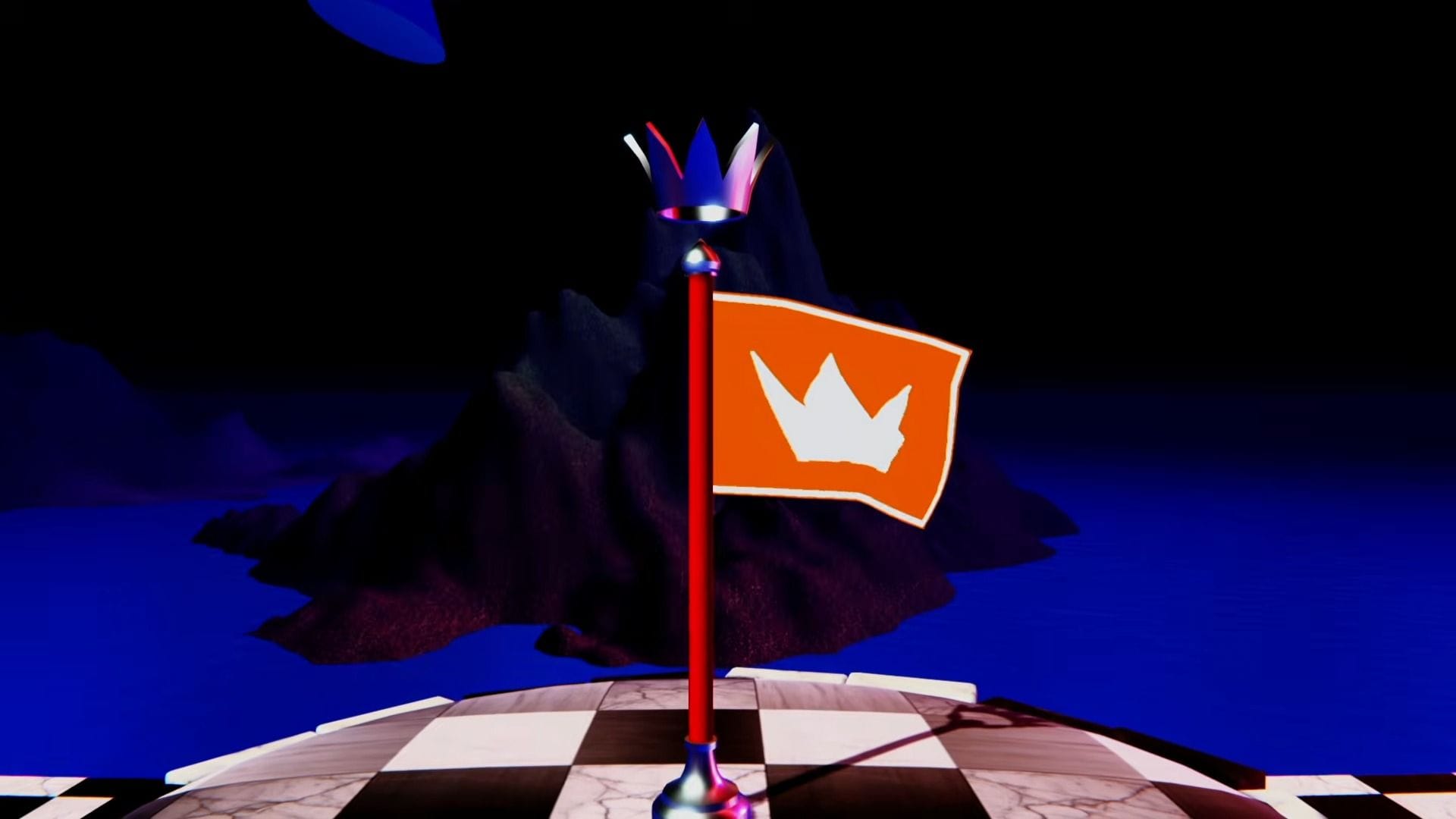
The result was the creation of Refund This Game, a first-person platformer that directly incorporates the refund dilemma into its core gameplay. The premise is simple yet delightfully maddening: players must navigate a challenging 3D world, relying on physics-based stick-flinging to ascend and reach the summit in under two hours.
The stakes are set by the challenge itself. A Steam achievement tracks the time, and the objective is clear: achieve the feat in time to EARN that refund. The game description frames the challenge perfectly, asking players to test their speed and dexterity to secure their money back.
This innovative approach drew immediate attention. Co-developer dofhouse, who worked alongside the team, described the public conversation around Steam refunds as a huge inspiration. Their goal was to create an experience that invited players to participate without any strings attached, allowing them to give the game a proper shot.
By embedding the policy debate into the game’s structure, the developers transformed a point of friction into a source of engagement. The game, which leans into the spirit of classic ragebait platformers, forces players to confront the system in a fun, physical way. It turns the argument about player rights into a physical sprint for a refund.
The early reaction to Refund This Game has been quite encouraging. Some players have successfully navigated the physics and the time limit, proving that it is possible to earn that refund. This demonstration of player agency, framed within a challenging game environment, provides a unique commentary on digital commerce and community expectations.
Buy on Amazon
Credit