Rockstar cut GTA 6 fridge restocking for balance
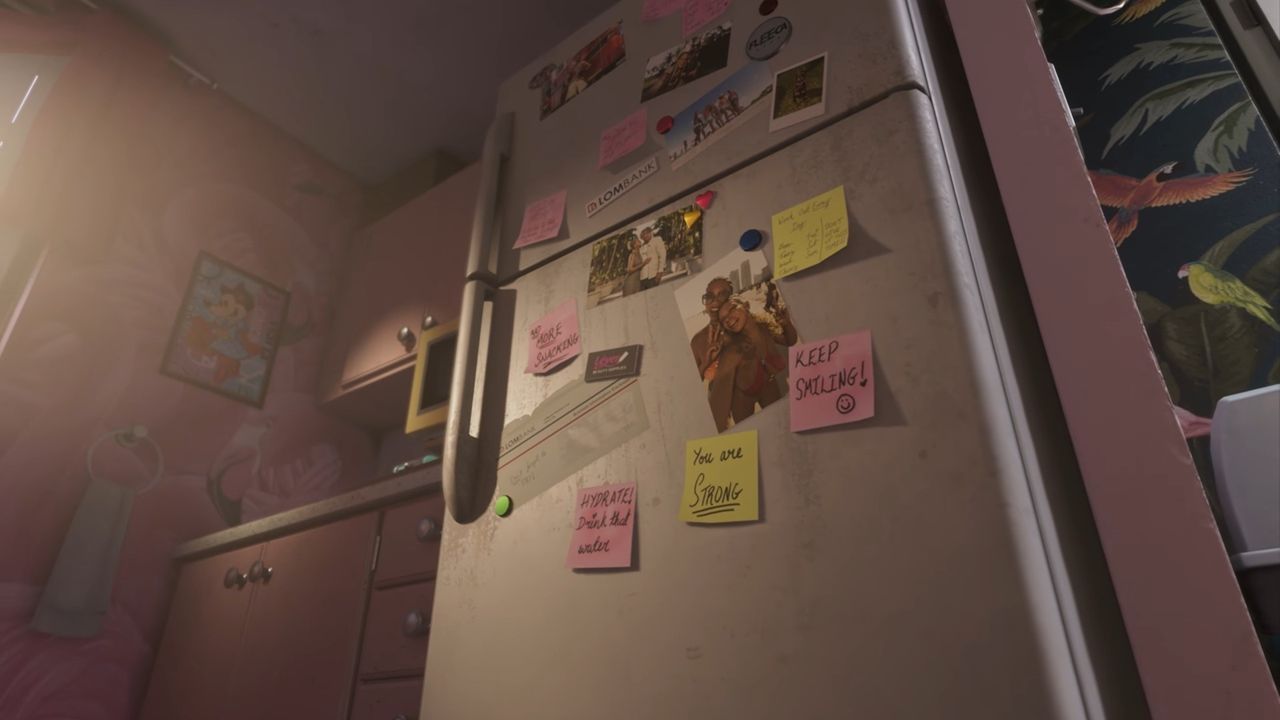
The world of Grand Theft Auto is constantly evolving, pushing the boundaries of what open-world games can offer. But sometimes, the quest for hyper-realistic simulation bumps up against the need for smooth, engaging gameplay. In the quest for the next iteration, developers are constantly balancing deep realism with the ease of play, and a recent pivot in the development of GTA 6 highlights this creative tightrope walk perfectly.
One area where the team explored diving deep into daily life role-playing was the simple, relatable act of restocking a fridge. As part of experimenting with the dual protagonists, Jason and Lucia, developers envisioned a system where players could actually buy groceries at a supermarket and then physically restock their fridge.
Rob Nelson, head of development at Rockstar North, shared that this idea was born out of experimentation. “At one point during development, we were experimenting with a system that would allow you to buy groceries to restock the fridge,” he revealed. The initial specifications included detailed systems for stores where players could purchase items and take them home, allowing the fridge to be replenished with actual inventory.
However, the team made a crucial decision to simplify the mechanics. The rationale was straightforward: introducing complex grocery mechanics, while seemingly adding realism, would have overly complicated the overall gameplay experience.
Nelson explained that the goal is always to find the right equilibrium. “We are always trying to find the right balance between realism and ease of play,” he noted. He argued that actions within the game should give meaning, rather than simply being a chore. It is about giving meaning to every choice, whether it’s a high-speed chase or a mundane task.
Rather than focusing on the minutiae of shopping, the focus remained on meaningful action and immersion. The developers opted for gameplay that enhances the core experience, ensuring that the player remains engaged in the high-octane world of Los Santos, rather than getting bogged down in simulating supermarket logistics.
Ultimately, the focus shifted toward enhancing the core role-playing elements, ensuring that the player’s time is spent engaging with the expansive world, rather than following a simple “TikTok ASMR restock fantasy.” This decision underscores a philosophy that even in the most immersive games, simplicity and focused experience often lead to the most compelling design.
Buy on Amazon
Credit