
RTX 50 prices soar as AI memory boom drives up costs
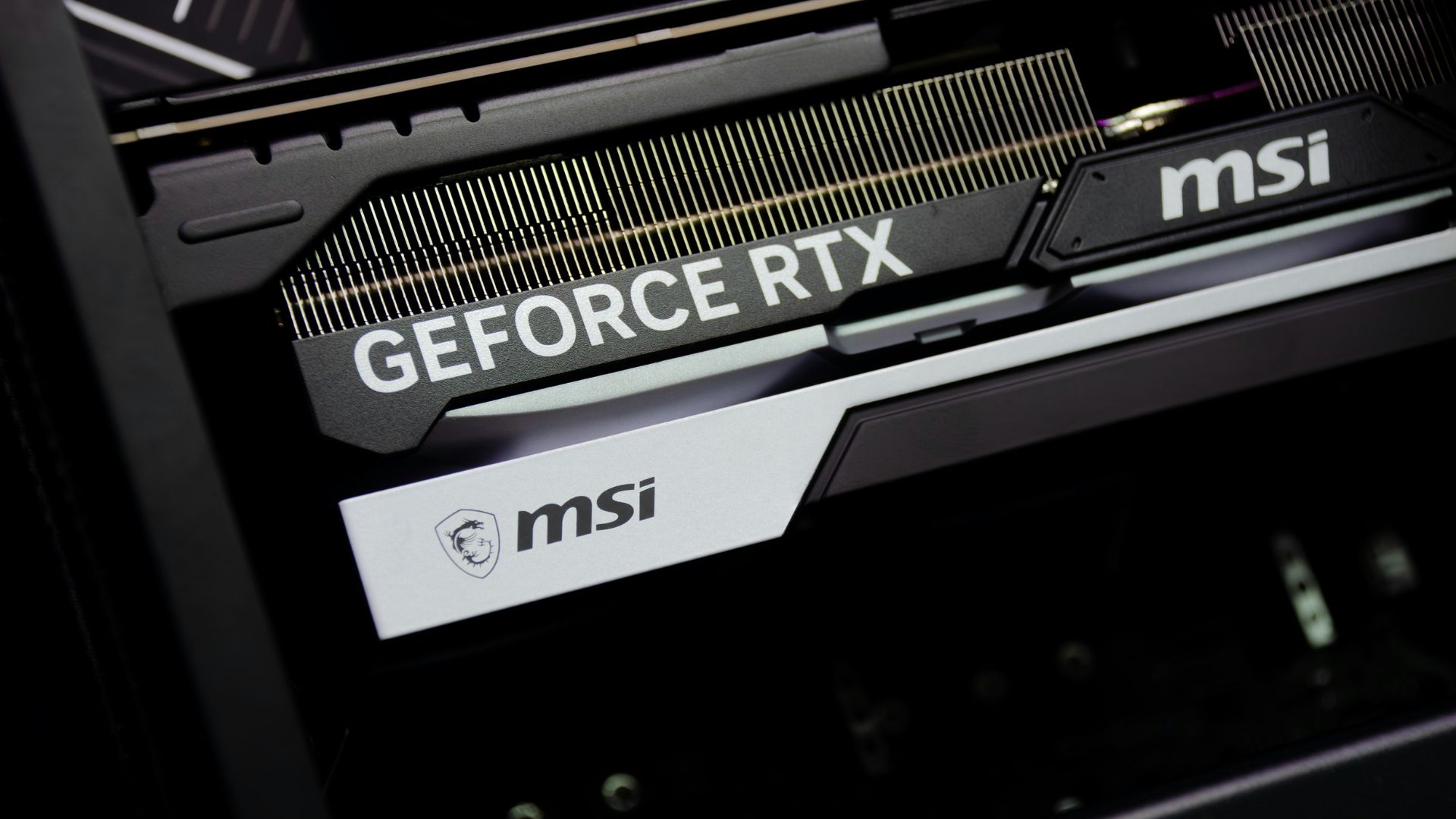
When you look at the technology landscape, there’s a certain logic we expect to follow. In typical market conditions, a graphics processing unit series that has been available for over a year should start seeing attractive discounts, often dropping below its original Manufacturer’s Suggested Retail Price (MSRP).
It’s a natural cycle of depreciation and clearance—a way for the market to manage supply and encourage turnover. Consumers expect that once a product has settled into the market, smart pricing will make it accessible.
But lately, the rules seem to have been rewritten by an unprecedented demand surge driven by the artificial intelligence boom. Right now, that expected cycle of discounts just isn’t happening for many high-demand components.
The core issue isn’t necessarily about consumer desire; it’s about fundamental supply constraints. The bottleneck isn’t just in the processing power itself, but in the critical supporting infrastructure: memory. Demand for high-speed memory chips is currently continuing to outstrip the available supply.
This scarcity has created a peculiar paradox in the current hardware market. While demand is skyrocketing for powerful AI computing, the ability of manufacturers to implement standard pricing strategies is being severely challenged by these overwhelming supply imbalances.
It means that even established GPU series, despite being in the market for some time, are not seeing the expected price adjustments or deep discounts you might anticipate from a healthy, balanced market.
The story of today’s hardware reflects a stark shift: scarcity is no longer just an occasional hiccup; it has become a defining feature of the high-performance computing era. The focus has shifted from simple product lifecycle management to navigating complex global supply chains driven by exponential technological growth.
Buy on Amazon
Credit