
RTX 5090 buyer beats price hike via Nvidia website no one honors order
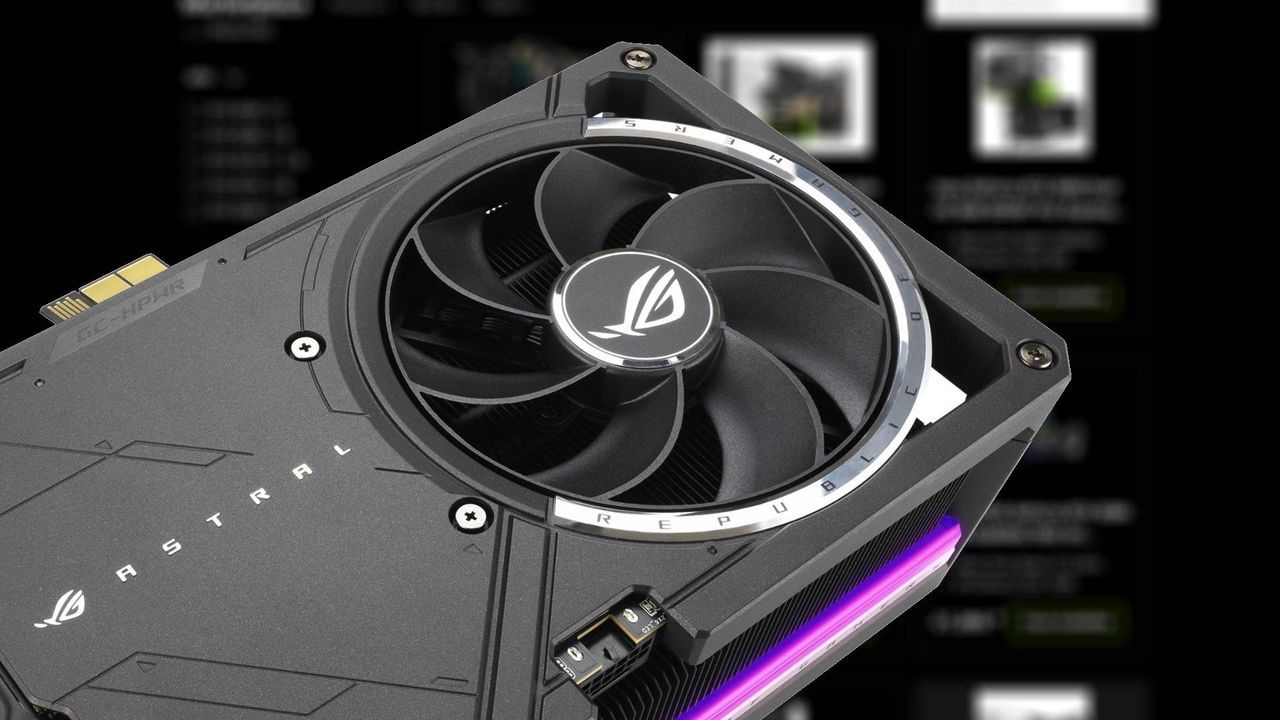
The chase for the top-tier graphics card is often a high-stakes game of negotiation and luck, but recently, that competition has devolved into a frustrating corporate blame game. As consumers battle the ever-increasing prices of the RTX 5090, the drama doesn’t happen on the gaming bench—it happens behind closed doors between Nvidia and its hardware partners, Asus.
For anyone desperately needing to jam the most powerful GPU into their rig right now, the price hikes are biting hard. Even if a buyer manages to secure the card at an initial favorable rate, the final cost can still push well over $5,000. This escalating situation highlights not just market volatility but serious systemic issues within the supply chain and third-party storefronts.
The central conflict exploded when a customer attempted to secure the RTX 5090 at a lower price, beating out some of the recent on-page Manufacturer’s Suggested Retail Prices. This effort was quickly derailed by an order cancellation, kicking off an intense dispute over who was responsible for the pricing discrepancy.
The fallout immediately turned into finger-pointing. Nvidia claimed that Asus was responsible for providing late price updates, which led to the customer’s subsequent order being cancelled. However, Asus countered, insisting they were unable to fulfill the request at the earlier price rate.
This deadlock reveals a deeply frustrating reality: neither company was willing to take responsibility or offer a simple solution. Nvidia, valued at over five trillion dollars, reportedly refused to cover the $553 difference, leaving the unsuspecting buyer in the middle of an unwinnable tug-of-war.
The situation underscores larger logistical and partnership flaws. The entire episode highlights that while consumers operate under certain legal protections regarding cancellation and refunds in regions like the US and UK once a transaction is complete, the flow of information and responsibility between manufacturers and retailers remains incredibly muddled.
Ultimately, it is the end consumer who bears the brunt of this corporate miscommunication. Instead of receiving a straightforward resolution, buyers are subjected to professional catty back-and-forth that resolves nothing. This instance demonstrates significant problems with the third-party storefront relationship and emphasizes that internal pricing errors should have been handled transparently from the start.
For those focused on building an optimal gaming machine, navigating this landscape requires more than just knowing component specs; it demands a degree of patience in dealing with the inevitable chaos of high-end hardware market dynamics.
Credit