Shift Up CTO clarifies developer’s AI stance amid controversy
The AI Debate in Gaming: How Shift Up Handled the Backlash Over Stellar Blade
The world of video games is constantly grappling with a thorny question: where does artificial intelligence fit into the creative process? For developers, the answer often involves a delicate balance between innovation and authenticity. This tension was brought into sharp focus last month by Shift Up, the creators of the highly anticipated title Stellar Blade: Blood Rain, when they released a music video that sparked immediate and intense player backlash.
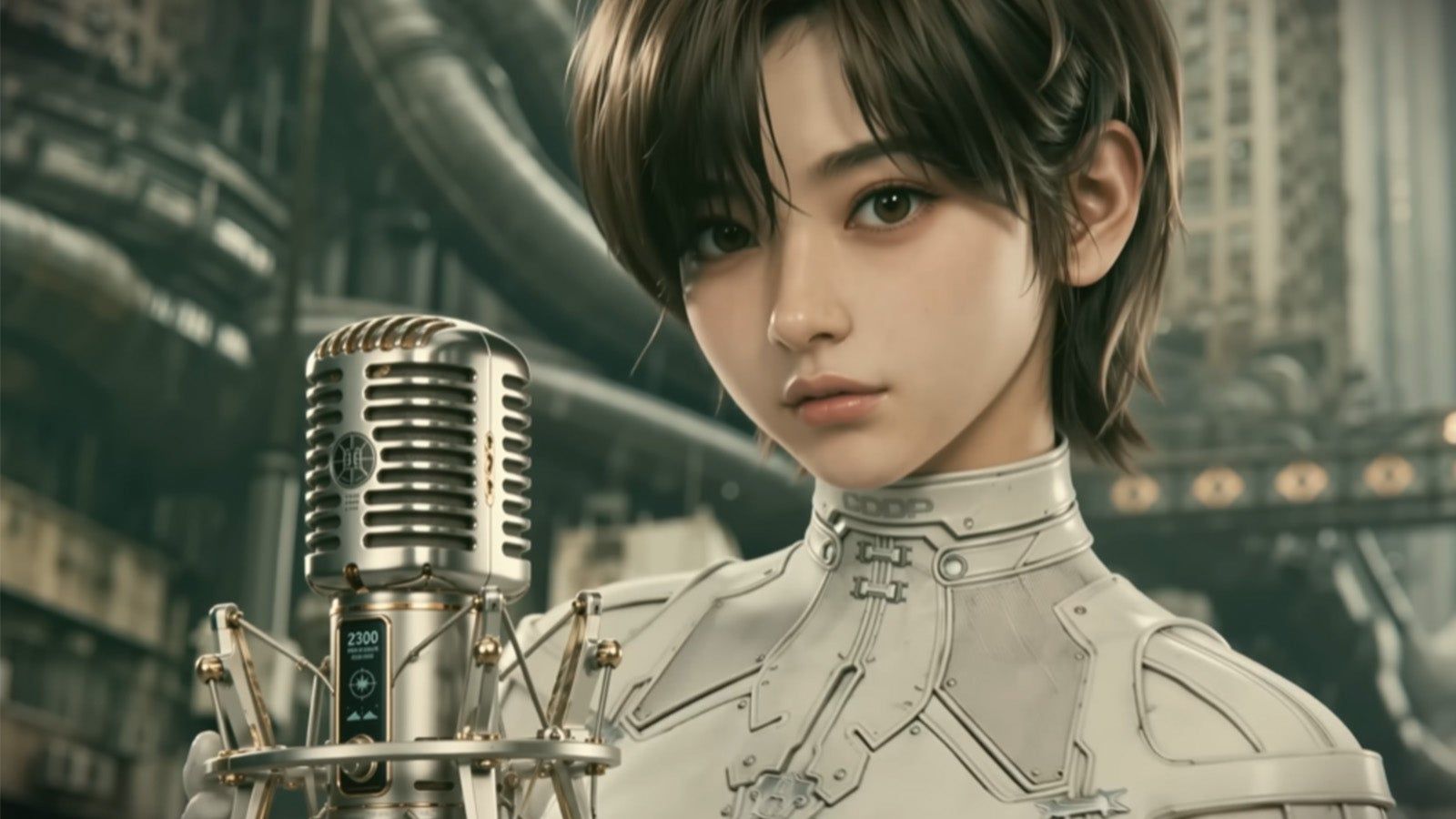
The controversy centered on the fact that the promotional video, set to an upbeat pop track, utilized entirely AI-generated images and footage. While some saw it as a bold artistic experiment, many players felt that relying on artificial intelligence to showcase a character as central as Evie was a disservice to the human talent that brought the game to life.
The reaction was swift and vocal, with players immediately directing their frustration at Shift Up for seemingly sidelining human employees in favor of machine-generated content. This immediate pushback forced the company to address the issue directly.
Shift Up’s Chief Technology Officer, DongKi Lee, stepped forward to clarify the situation. He explained that the video was intended to showcase the beauty of the game’s world and the character of Evie, positioning the content as purely “experimental” and separate from the official game experience.
Lee emphasized that the foundation of the character and the visual world was built through over a year of dedicated work by their talented artists and modelers. He made it clear that the AI was not creating the character from scratch, but rather rendering and presenting the existing designs and craftsmanship.
“We wanted to show more of the beauty of Stellar Blade: Blood Rain,” Lee explained. “We wanted to show the world view and the character Evie. We just wanted to show a little more of each, and we did that as part of the content.”
However, the conversation quickly moved from content to philosophy. Lee stressed that the developers take the player feedback seriously, promising a clear distinction between official game content and experimental material.
Crucially, he articulated Shift Up’s view on AI in development: technology should serve as a tool, not a replacement for human skill. He argued that AI’s purpose in game development should be to enhance the creativity, know-how, and skills of the developers, helping them produce a higher quality final product.
The players, in turn, offered witty commentary, suggesting that if the goal was to showcase the game’s beauty, the team could have simply animated it themselves. The sentiment was clear: human artistry still holds a unique, irreplaceable value in storytelling and visual creation.
This debate is far from unique in the gaming landscape. AI has already entered the conversation surrounding game development, with titles like Tomb Raider: Legacy of Atlantis confirming their use of generative AI for early prototyping, while maintaining that all finished content remained human-created.
Ultimately, while the use of AI for promotional content may be technically efficient, the consensus among the community suggests that the magic of a game still rests on the unique vision and skilled hands of human creators. For Shift Up, the takeaway seems to be that AI is a powerful tool, but it must be wielded thoughtfully to support, rather than supplant, the craft of game development.
Credit