Smash Bros games harder for AI to rip off but harder to sell
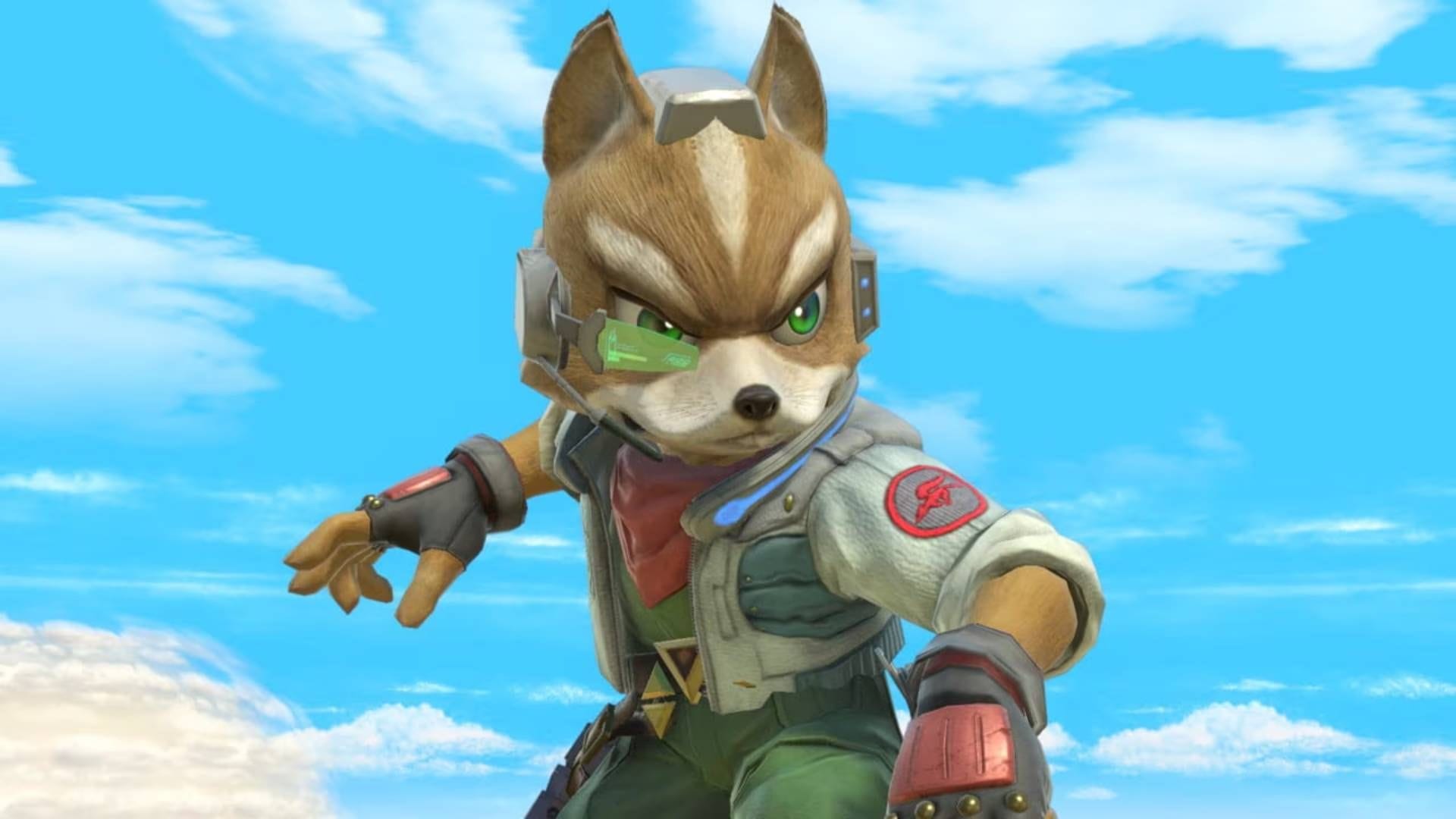
There is a furious debate swirling around generative artificial intelligence and the creative industries, but when the conversation involves a figure as iconic as Masahiro Sakurai, the legendary developer behind franchises like Kirby and Super Smash Bros, it takes on a distinctly sobering edge. Sakurai recently shared his insights on the technology and the vulnerabilities it poses to the gaming world, offering a masterclass on what it means to create something truly original in the age of machine learning.
In a recent chat with the Japanese outlet Denfaminico Gamer, Sakurai laid out his concerns regarding the rapidly encroaching influence of generative AI. After decades spent crafting unique game mechanics, he views the current challenges not as a single hurdle, but as a layered problem threatening the very essence of originality and market viability.
His primary concern revolves around the diminishing value of true originality. In a market flooded with easily consumable content, he notes that it is significantly harder for new concepts to stand out and gain traction. This environment makes developers more tempting to retreat into established genres and familiar ideas.
This is where the insidious nature of AI truly emerges. Since generative models can only draw upon what already exists, they excel at retooling well-trodden mechanics rather than pioneering new ones. If a game utilizes familiar structures, it becomes a prime target for a gen-AI lookalike that can quickly produce polished imitations.
Sakurai points to examples like the recently released game Librarian”>Librarian as a perfect illustration. A game centered on tidying up an old library is simple enough that the foundational elements are easy for AI to comprehend and retool. This simplicity makes it exceptionally ripe for AI replication.
The problem extends beyond individual studios. This technological shift exacerbates existing trends, fueling a cycle where developers chase easy profits through asset flips and reskins, or simply bandwagon jumping on viral game ideas. The greatest competition, he suggests, is not necessarily superior design, but those who can quickly mimic and repackage existing trends.
This dynamic creates a huge barrier for new developers. Even for larger studios, the sheer volume of new releases on platforms like Steam means that truly original work often struggles to break through the noise and find an audience. Most projects, he observes, tend to fade into obscurity, making the fight for visibility even harder.
Ultimately, Sakurai’s advice is a call for caution. There are no easy technological fixes, but the safeguard lies in remaining wary. The most potent defense against the tide of imitation is focusing on the human element—the unique perspective, passion, and genuine innovation that only human creators can bring to the table. The challenge now is to ensure that the future of gaming remains defined by human imagination, not just algorithmic mimicry.
Buy on Amazon
Credit
