Sony cuts Physint over Metal Gear successor delays
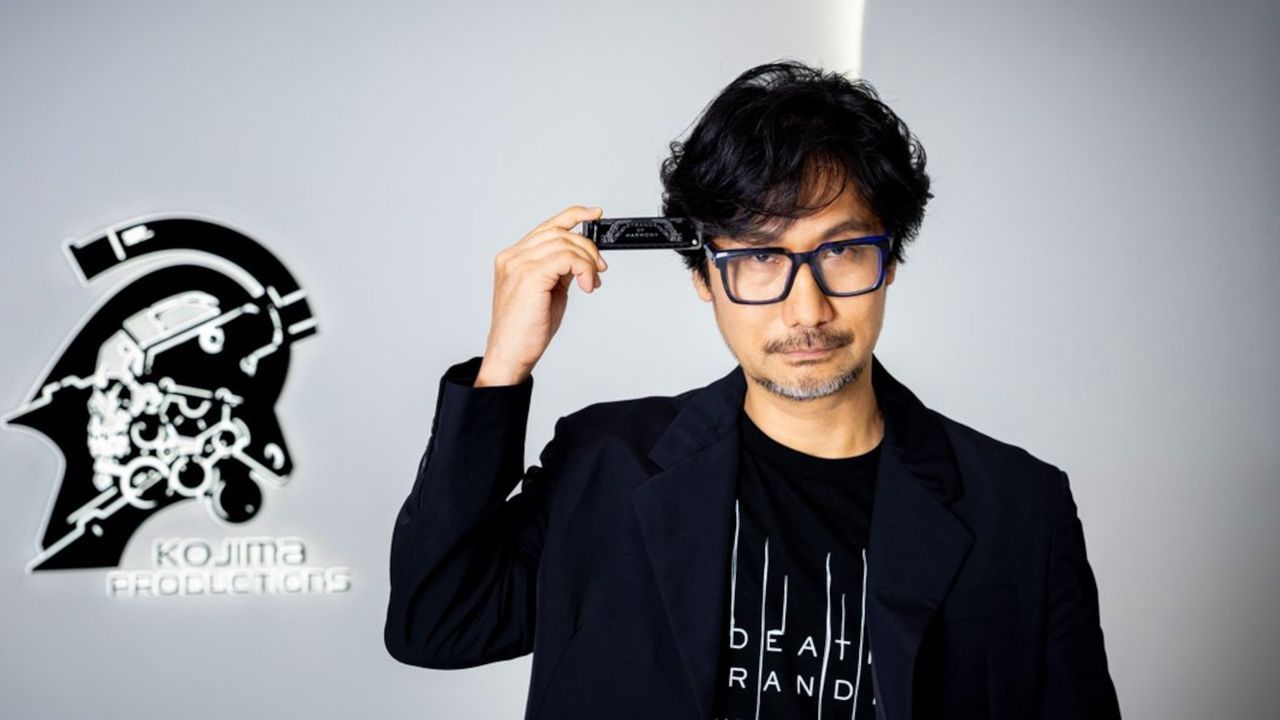
The high-stakes world of game development just delivered a fascinating realignment, as a major action-espionage title found its way from PlayStation territory to the Microsoft and Xbox ecosystem. Hideo Kojima’s ambitious project, Physint, has unexpectedly changed hands, signaling more than just a shift in console allegiance—it speaks volumes about studio finances, executive relationships, and the evolving landscape of platform exclusivity.
The move was less a simple transfer and more a necessary pivot. Reports indicate that Physint had struggled to meet production timelines and had significantly exceeded its budget, requiring years more development to realize its full potential. When faced with these delays, the studio sought a new partner willing to provide the necessary resources to salvage the game and bring it to fruition.
This sudden transition occurred against a backdrop of growing financial scrutiny. As Sony began tightening development milestone checks after several live service games fell through, the studio was under increased fiscal pressure. Furthermore, the platform’s recent financial performance, particularly with titles like Death Stranding, had also created ripples, making the timing of an exclusive deal less appealing.
Adding to the complexity were internal shifts at Sony. Several key executives and leaders who had worked closely with Kojima reportedly departed the company in recent years, potentially weakening the established relationships that once kept Kojima’s work firmly anchored in Sony’s orbit. This severed chain of connection may have contributed to the project’s eventual relocation.
For Kojima, the process ended with a notable announcement: he received notice that PlayStation Studios had decided to cancel the Physint project, prompting him and Kojima Productions to seek a new home. This led to an unexpected landing spot with Xbox, where new leadership was eager to embrace the project, viewing it as a major opportunity for the platform.
The narrative underscores a broader trend in the industry. While the PlayStation 5 continues to lead in console sales, the dynamic is shifting toward platforms offering robust financial backing and creative freedom. Microsoft’s willingness to back Kojima’s vision, exemplified by their prior support for the game OD, shows a clear strategy: betting on exceptional creative talent can be a powerful tool for attracting top-tier intellectual property.
Ultimately, the story of Physint is a case study in shifting priorities. It highlights how fiscal reality, executive changes, and the pursuit of creative fulfillment can override established platform agreements, proving that in the digital age, ownership and partnership are often more valuable than platform loyalty alone.
Buy on Amazon
Credit