Stellar Blade AI K-Pop MV starring Evie Everyone Hates It
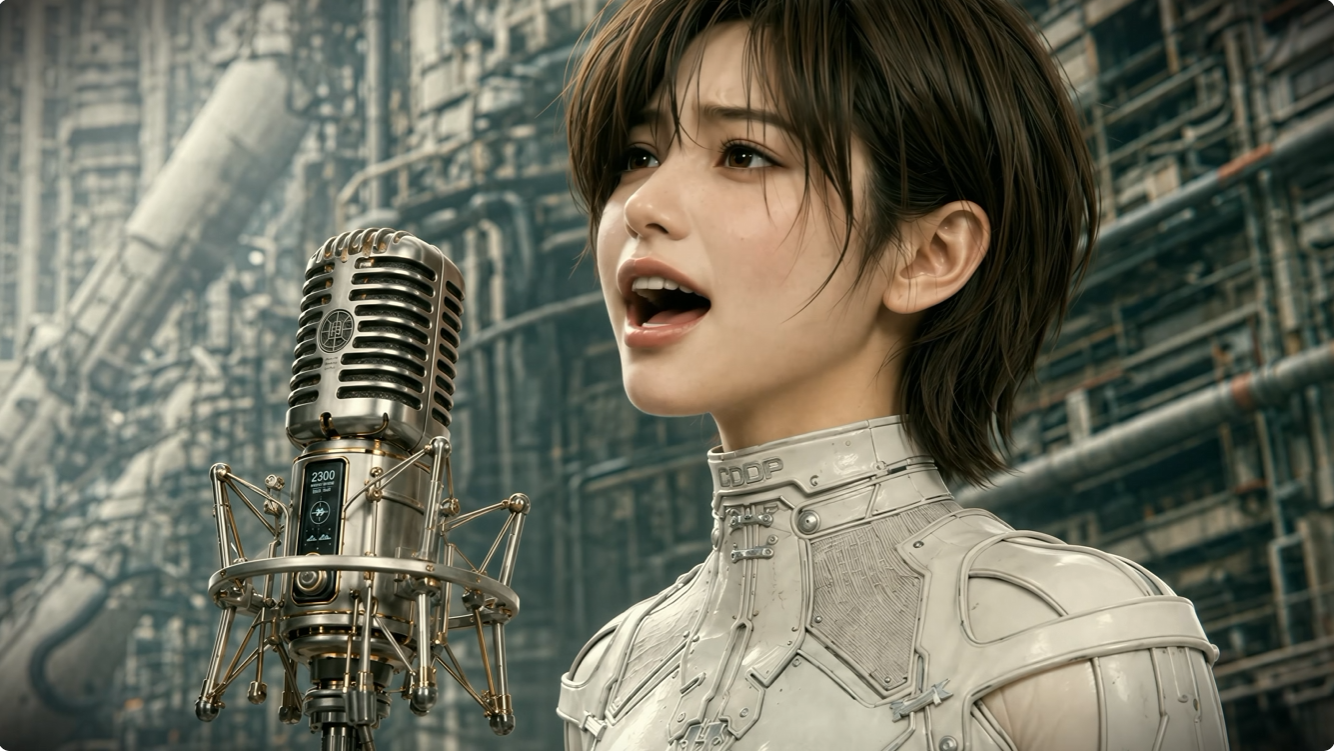
The future of game development is currently being played out in pixels, and lately, that play has involved a stirring mix of creativity and artificial intelligence. Shift Up, the developers behind the action-packed title Stellar Blade: Blood Rain, recently ignited a firestorm by releasing a music video starring their protagonist, Evie, entirely generated by AI.
The video, which features Evie singing an upbeat pop track, was posted to the developer’s YouTube channel, signaling a bold experiment in utilizing generative technology for promotional content. However, rather than sparking pure excitement, the release quickly drew sharp criticism from fans who pointed out several visual oddities and inaccuracies—a stark reminder of how easily AI can produce content that feels polished yet fundamentally hollow.
Some viewers felt the outcome resembled the generic, often misleading advertisements generated by other AI systems. Even more pointedly, the video featured a mock ‘making of’ segment where the Shift Up crew pretended to interact with Evie, adding another layer to the digital fakery. The small print accompanying the release confirmed the source: the video was created using game resources from Stellar Blade: Blood Rain and regenerated with AI support.
This immediate reaction wasn’t just confined to social media; it spilled over into deep discussions about the ethics of using AI in creative industries. Fans questioned whether this approach devalued the work of human artists, wondering why a proper music video was bypassed in favor of automated content generation. The sentiment ranged from outright disappointment to feeling that the hype surrounding the game had been genuinely damaged by the spectacle.
The controversy touched on broader industry debates. Shift Up’s CEO, Kim Hyung-Tae, has defended the use of AI, arguing that it is essential for studios to compete in a global market. He suggested that without AI, smaller development teams would struggle to match the quality and volume of content produced by larger competitors in places like the U.S. and China. Hyung-Tae posited that generative AI allows one person to perform the work of many, making employees more valuable rather than obsolete.
Yet, this defense met resistance from others who saw the outcome as a disgrace to artistic merit. Critics argued that despite Shift Up‘s massive budget, using AI for content generation was an unnecessary shortcut that diminished the quality of the final product. Some expressed frustration that the focus should have been on paying human artists to animate a music video rather than relying on automated tools.
The development team’s embrace of AI runs parallel to ongoing debates across the gaming landscape. Figures like Rockstar co-founder Dan Houser and other industry leaders have weighed in on this technological shift, with some drawing comparisons between AI and natural diseases, while others focus on the inevitability of its presence. This reflects a complex tension: the promise of immense efficiency versus the fear of sacrificing authentic creativity.
Meanwhile, the core narrative of Stellar Blade itself is also evolving. In recent reveals, the design of the new protagonist, Evie, has been highlighted. She is consciously designed to be younger and smaller than her predecessor, Eve, embodying a stronger personality and engaging in more dynamic combat. This change in character design raises interesting questions about how developers use technology to shape beloved characters.
Ultimately, the Stellar Blade saga offers more than just thrilling action; it presents a case study on the intersection of art, commerce, and technology. As studios continue to experiment with tools like AI, the focus shifts between what is possible—unprecedented efficiency—and what is valuable—the unique human touch that gives a game its soul.
Buy on Amazon
Credit