
Still the Hardest Platinum Trophy I’ve Ever Earned
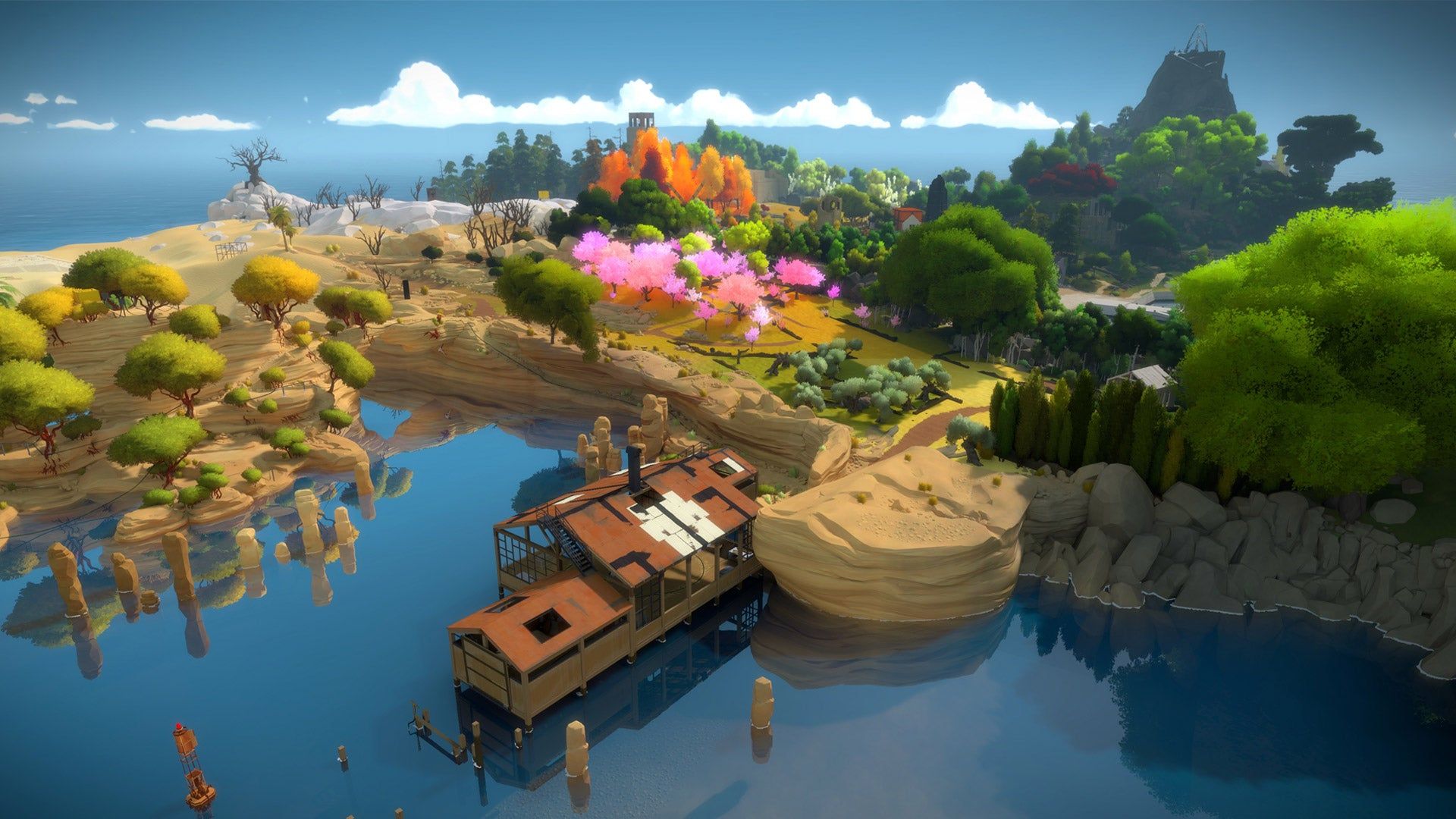
The Ultimate Test: How One Game Redefined the Thrill of Cerebral Discovery
Ten years ago, a game didn’t just entertain me; it almost broke me. As a young player, I was utterly captivated by The Witness, diving headfirst into its maze-like puzzles, eager to conquer every hidden path on its island setting. But the true test wasn’t in the exploration; it lay in the final challenge—a brick wall of pure frustration that demanded everything I had.
Breaking through that final barrier felt like an immense victory, a rush akin to finally defeating a legendary boss after countless hours of struggle. It became my most prized achievement, a digital platinum trophy that held more emotional weight than any other. The feeling of that breakthrough remains unmatched, and I have since been chasing that exact kind of cerebral thrill.
At the heart of the experience is indie developer Jonathan Blow’s philosophy, which perfectly captures the nature of true challenge. He stated that just as a legitimate puzzle is only a puzzle if you might never figure it out, a legitimate challenge is only a challenge if you might never beat it. This mindset sets the stage for a game that truly demands respect.
The initial exploration of The Witness is designed to be relaxing. There is no distracting music or looming threat, allowing players to soak in the environment. Yet, the deeper you delve into the island, the more layers of complexity emerge, hinting at a far more profound mystery. The game manages to balance soothing exploration with intellectual engagement.
But the true masterpiece unfolds in the final conundrum. There is no cheat code, no shortcuts, and no way to simply look up the solution. The developer ensured that the final challenge is fiercely protected. To unlock the final tomb-like structure, players must solve puzzles that are freshly generated at the start of every attempt. This meant mastering the ruleset before even starting the solution.
The sheer pressure is staggering. Players are given just under 400 seconds—the time it takes for two classical compositions to play back-to-back—to solve fourteen complex puzzles. These are not simple line traces; they are labyrinths filled with island-specific rules, symbols, and tricks that defy brute-forcing. It was a brutal, yet brilliant finale.
The game offers players the choice: follow the critical path, fully satisfied by the main narrative, or look beyond the obvious. You can trace lines across the architecture and into the larger world, uncovering the allegorical messaging woven throughout the environment. Or, you can choose the ultimate test: letting the final puzzle stretch your sanity to its limits, seeking that pure, exhilarating hit of dopamine from victory.
The memory of this achievement has inspired a pursuit of similar cerebral adventures. Games like The Talos Principle and Blue Prince have fed this appetite, but the memory of The Witness’s final challenge continues to spark that desire for profound discovery. It proves that the greatest rewards in gaming are often found not in completion, but in overcoming a challenge that truly tests the limits of your mind.
Buy on Amazon
Credit