Switch could have killed the Japanese console market if it failed
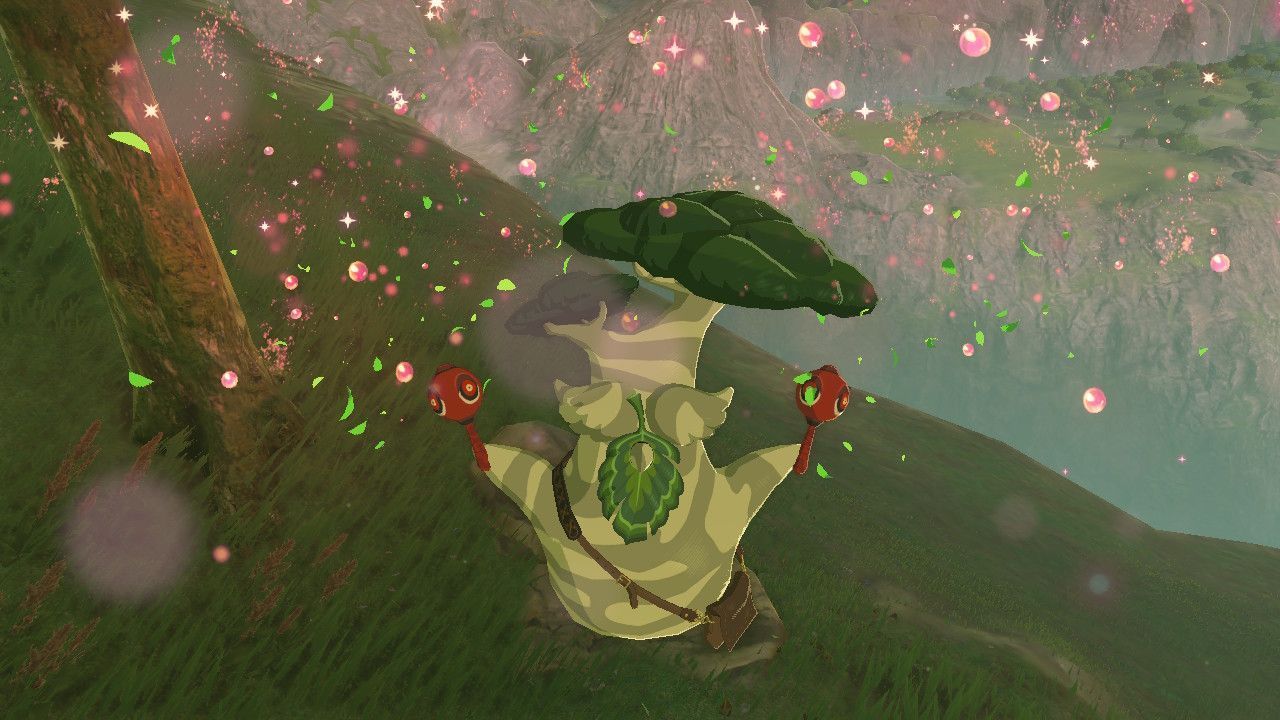
The history of gaming is often a tale of massive shifts, but few transitions have been as seismic as the rise of the Nintendo Switch. This hybrid console didn’t just become a popular toy; it proved to be a foundational pillar for the entire global gaming industry, demonstrating how a single product can reshape entire markets.
When we look at the sales records, the Switch is truly remarkable. It stands as the second-best-selling system of all time, trailing only the almighty PlayStation 2. Its success wasn’t just a matter of hardware sales; it was a powerful statement about the enduring appeal of Nintendo’s creative vision.
For analysts, the impact of this success goes far beyond sales figures. One expert posits that without the Switch’s phenomenal takeoff, the Japanese side of the gaming industry could have faced a severe crisis. If Nintendo had faltered, there is a genuine fear that the market might have been completely eliminated, pushing players toward alternative platforms like smartphones or PCs.
This concern is rooted in Nintendo’s deeply entrenched position in the region. The company didn’t just lead the console segment in Japan; they held an astonishing 70% market share for all gaming content, essentially acting as the bedrock of the regional medium. This immense influence made the console’s trajectory a vital concern for the entire industry.
The path to this dominance wasn’t accidental. It followed a strategic playbook based on recognizing and capitalizing on beloved franchises. After the less successful Wii U, which sadly peaked in sales under 14 million units, Nintendo made a calculated move. Instead of chasing novelty, they focused their immense creative energy on producing essential, blockbuster experiences.
The strategy was brilliant: ensuring that the most anticipated titles, such as Super Mario Odyssey, The Legend of Zelda: Breath of the Wild, and Mario Kart 8, were available on the Switch. By packaging these beloved, high-quality games onto the new hardware, Nintendo ensured that players had a compelling reason to invest in the system.
This approach paid off spectacularly. People loved the games, and they loved the new flexibility of the console. The Switch became the perfect vehicle for delivering immersive, high-quality entertainment, solidifying Nintendo’s reputation not just as a hardware company, but as an indispensable curator of fun.
Today, with the Switch generating healthy numbers and the anticipation building for the next generation of consoles, it serves as a powerful reminder that market leadership is built on creativity, strategic foresight, and the ability to deliver experiences that genuinely captivate an audience.
Buy on Amazon
Credit