
Tarkov new player problem complexity blamed
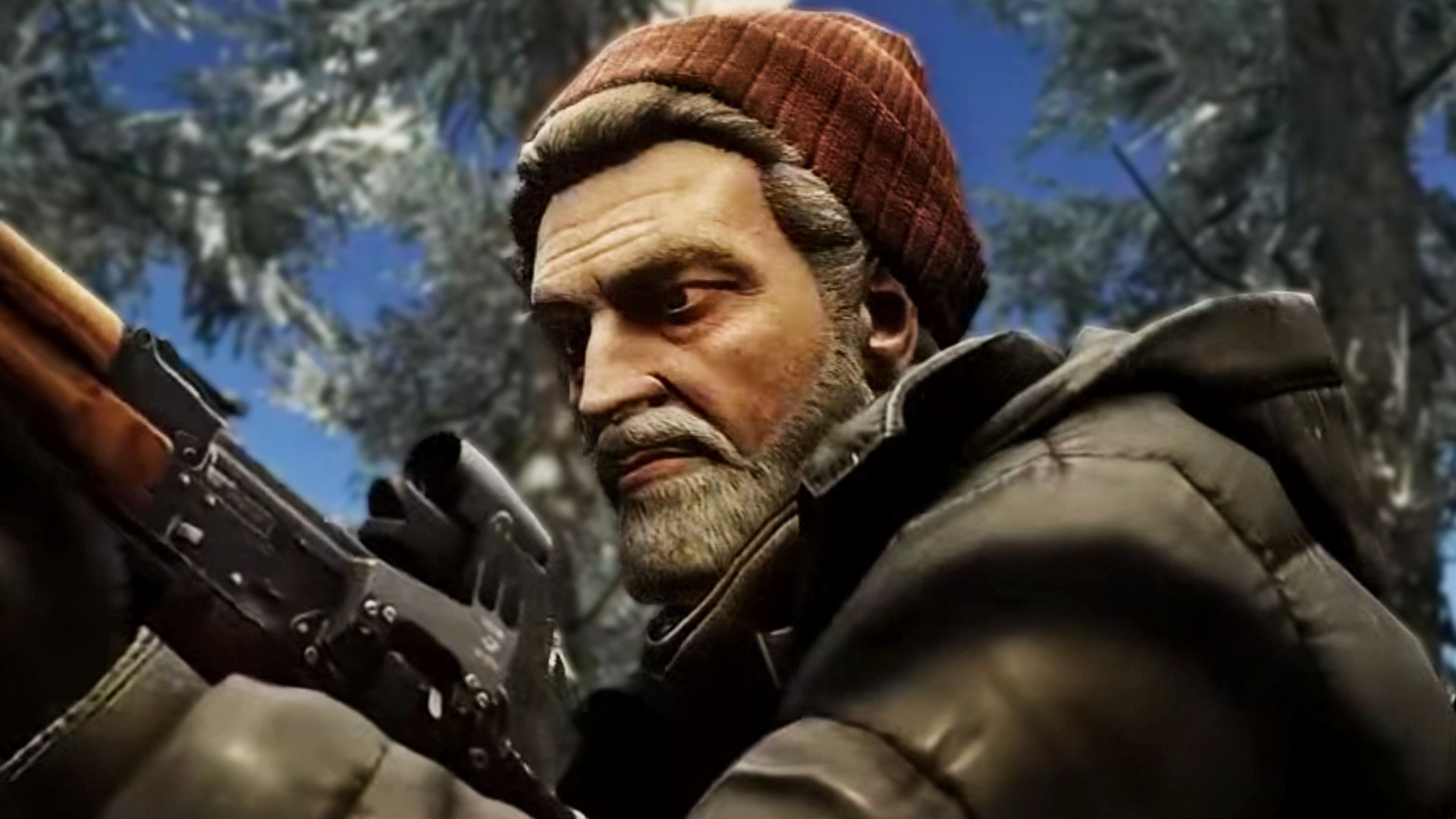
When you talk about the modern extraction shooter genre, you have to start with Escape From Tarkov. It didn’t just introduce a new game; it fundamentally redefined what a high-stakes, single-life approach to first-person shooting could look like. It brought a visceral, relentless intensity to the FPS landscape that felt like a refreshing change from traditional game structures.
The intensity of EFT established a benchmark for authenticity and risk management within the genre. It created a framework where every decision mattered, pushing players into a world defined by scarcity, planning, and sheer desperation. This foundational experience proved that players craved environments where the consequences of action were immediate and brutal.
But the success of Escape From Tarkov didn’t lead to stagnation; it sparked an explosion of creativity. The DNA of the extraction shooter—the tension of entering, looting, and surviving a hostile environment—quickly became fertile ground for developers looking to innovate.
Today, the genre has brilliantly branched out into numerous, highly specialized offerings. Developers are taking that core concept and remixing it with new mechanics, settings, and unique gameplay loops. We are seeing this evolution manifest in games like Arena Breakout Infinite and Marathon, which offer massive scope and escalating conflict. Meanwhile, other titles like Arc Raiders and Gray Zone Warfare continue to push the boundaries of what extraction gameplay can achieve.
This diversity demonstrates the genre’s robust appeal. It proves that the appetite for high-risk, deeply immersive simulation remains incredibly strong. From the meticulously detailed chaos of Tarkov to the sprawling conflicts of its newer iterations, the extraction shooter remains a dynamic and evolving force in the world of gaming.
Credit