They’ll throw out entire GTA 5 levels
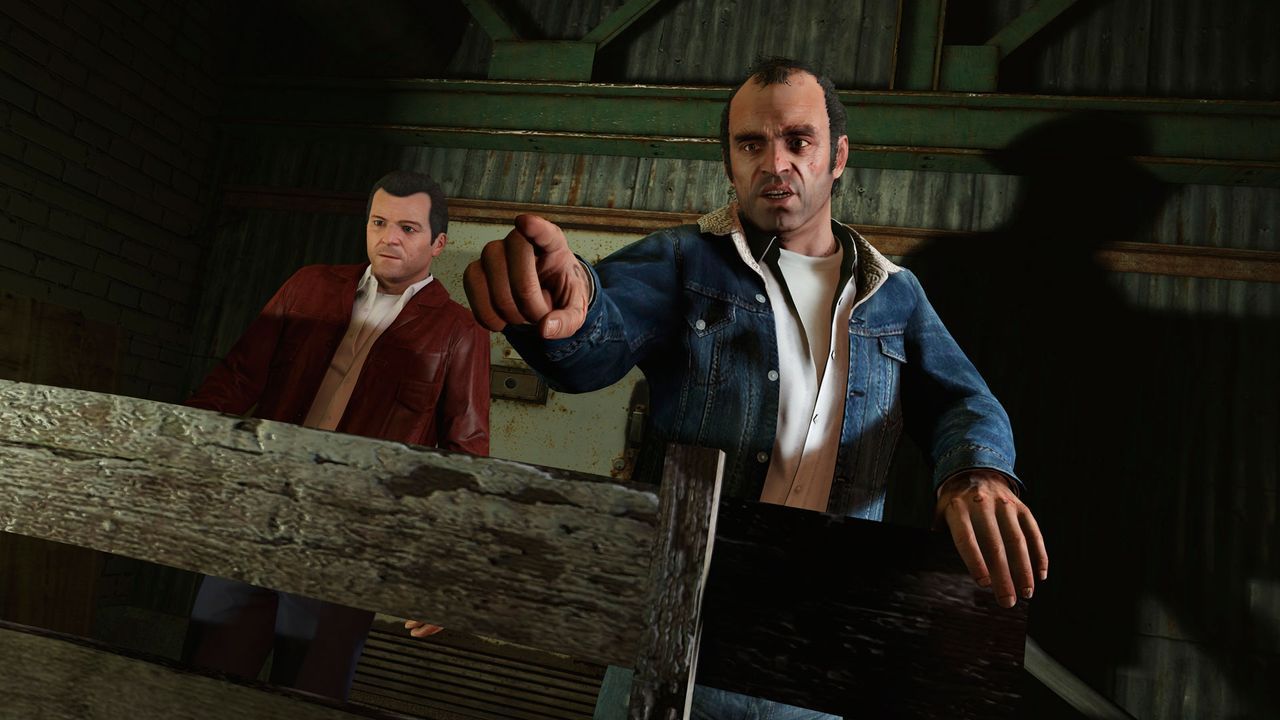
The Art of the Cut: How Rockstar Games Manages a Mountain of Content
When you look at games like Grand Theft Auto 5, you see sprawling, magnificent worlds brimming with activities, treasures, and endless things to do. It’s a true spectacle of open-world design. Yet, behind the cinematic brilliance lies a fascinating reality: the sheer scale of these mammoth productions means that even giants like Rockstar Games must make tough decisions about what makes it to the final cut.
The truth is, creating an experience of this magnitude is an exercise in restraint. Former producers reveal that managing a universe as vast and ambitious as GTA often requires trimming the fat before the game ever reaches completion. The sheer volume of content—the minigames, the intricate details, the endless possibilities—simply overwhelmed the production timeline.
One insider shared how features designed to be fully realized, such as elaborate minigames, were sometimes eliminated. This wasn’t a matter of artistic choice alone; it was often about logistics. To bring every single element up to the same level of animation and quality within the strict production window proved impossible.
As one developer noted, sweeping cuts are often an unavoidable consequence of building something so enormous. When you have a team operating at Rockstar’s scale, decisions inevitably involve prioritizing resources. This sometimes means that entire levels or features simply have to be streamlined or removed if the team cannot manage the necessary quality control across every detail simultaneously.
These adjustments weren’t always handled through official DLC; sometimes, content just vanishes from the final product entirely because it proved too ambitious for the allotted time. This highlights the difficult balancing act of managing creative vision against logistical constraints.
The pressure to maintain quality while managing such an enormous operation is immense. It’s a testament to the work that some features disappear silently, reflecting the reality that not every brilliant idea makes it into the final build. This strategic trimming ensures that what remains is polished and cohesive, providing a tighter, more impactful experience for players.
Ultimately, whether you are an executive or a creative developer, navigating the landscape of massive game development requires acknowledging that brilliance sometimes involves sacrifice. It’s this careful management of scope that allows epic worlds like GTA to continue selling millions and shaping the future of interactive entertainment.
Buy on Amazon
Credit