TLoU/Uncharted artist defends Naughty Dog crunch
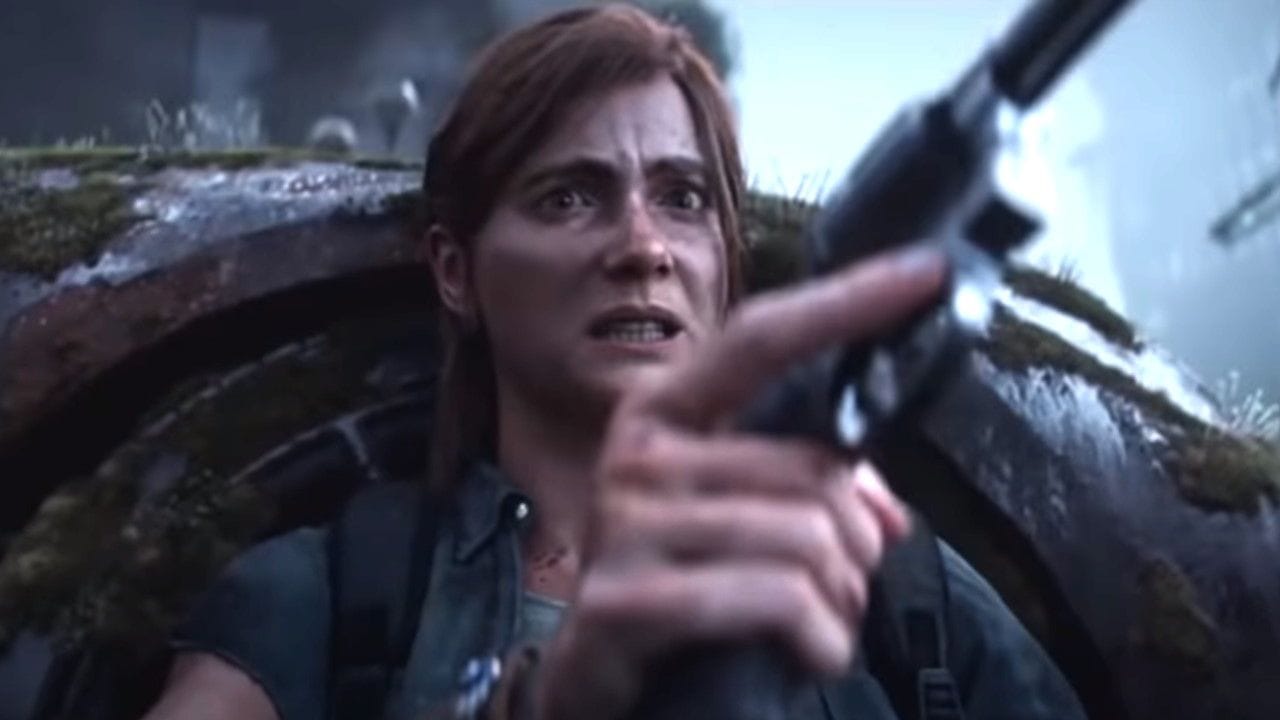
In the high-stakes world of game development, where masterpieces are forged under intense pressure, the shadow of crunch culture looms large. Among the titans of the industry, studios like Naughty Dog have long been associated with these demanding working conditions. But what is the true story behind the relentless hours spent crafting cinematic experiences?
Recent discussions have brought these practices into sharp focus. Representatives from Naughty Dog have explicitly confirmed that their teams have experienced mandatory overtime, even while working on ambitious projects like Intergalactic: The Heretic Prophet, highlighting the demanding pace required to meet ambitious deadlines.
The pressure to perform at the highest level often comes with a heavy toll. Former senior game designer Benson Russell suggested that crunch is sometimes an unavoidable reality for those aiming to produce games of the absolute highest caliber: “it’s what it takes to make games at our level.”
While the headlines often paint a picture of an evil corporation demanding horrific working hours, the reality inside the studios is often more nuanced. For artists and developers, the experience of crunch is complicated—it is not simply a matter of forced labor, but a messy confluence of motivation, peer influence, and the intense desire to push creative boundaries.
VFX artist Matt Radford, who has been part of the Naughty Dog journey, offers a perspective that shifts the focus from simple accusation to deeper understanding. He notes that while the reported claims about crunch are generally true, they often miss the full context, as the experience is deeply intertwined with the creative drive itself.
Radford points out that the motivation behind the grueling hours often stems from a collective push—a motivated group using peer pressure to elevate their work. He suggests that the result is not solely the product of corporate mandate, but the energy generated by a shared commitment to excellence.
This brings the conversation to a more philosophical level: the relationship between suffering and art. Radford ultimately reflects that his personal experience suggests a correlation between the intense effort and the outcome, concluding that “great art has come from suffering.”
However, the discussion must remain grounded in practical realities. Crunch is more than just the presence of overtime; it is a complex equation involving compensation, enforcement, and management. If employees choose to commit to extraordinary hours for the craft, there must be clear reassurance from leadership that such expectations are not the norm for those who seek a fair and reasonable working life.
Ultimately, the brilliance of titles like The Last of Us lies not just in the demanding hours, but in the caliber of the people and the powerful drive that fueled that creation. The enduring quality of these games suggests that when passion and talent are united, the results speak for themselves.
Buy on Amazon
Credit
