
Uncharted’s secret dynamic difficulty stops players from finishing too fast
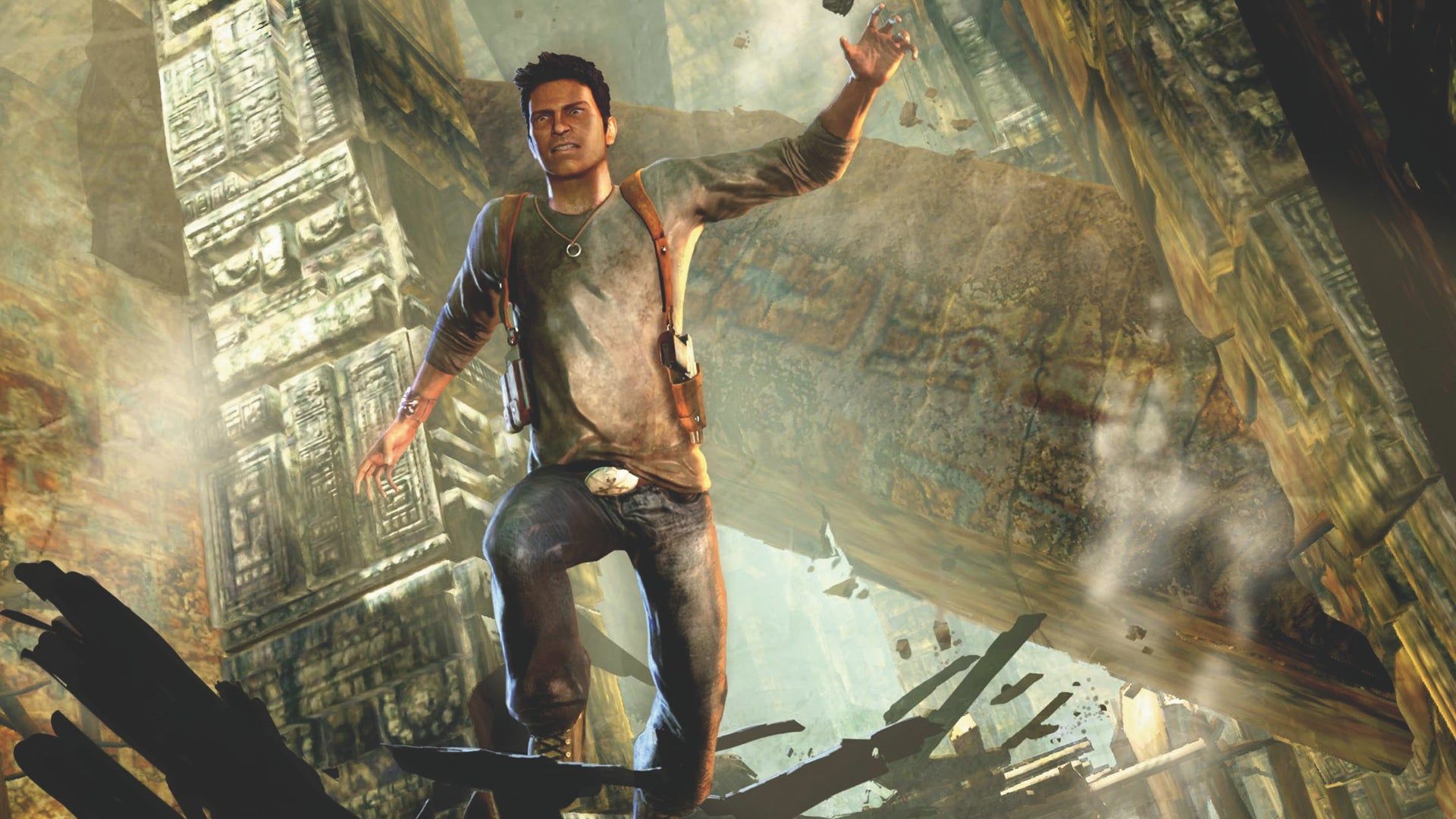
How Dynamic Difficulty Shaped the Uncharted Legacy
The secret to extending the epic adventures of Uncharted: Drake’s Fortune might lie not just in stunning set pieces, but in a clever, calculated approach to pacing. A former designer from Naughty Dog revealed that to make the experience longer and more engaging, the team implemented a dynamic difficulty system that subtly nudged players along their journey.
During an exclusive interview, the designer opened up about the challenging development process of the game. They noted that the team initially struggled with designing environments where combat felt natural and balanced. The core challenge wasn’t just building the world, but figuring out how to manage the player’s experience within those spaces.
The biggest hurdle, however, turned out to be simple economics. The goal was to create a substantial, five-hour experience without adding multiplayer features, all while keeping the price point reasonable. As one designer put it, selling a five-hour game for 60 dollars without multiplayer was a financial hurdle that required a creative solution.
The answer, they found, was dynamic difficulty. This system wasn’t designed to make the game intentionally frustrating; rather, it was engineered to manage the flow of time and challenge based on the player’s performance. If a player were to complete a combat encounter faster than the established average, the system would intervene to slow things down, effectively extending the playtime.
This philosophy wasn’t unique to one title; the dynamic difficulty mechanism was woven into the fabric of all three original Uncharted games. While it certainly contributed to the difficulty spike felt in the first title, the system was carefully tuned to match the player’s skill level rather than simply control the pacing. It acted as an intelligent guide, ensuring the challenges remained engaging without feeling arbitrary.
This thoughtful design choice is a testament to the team’s desire to deliver a cinematic, lengthy adventure that felt both demanding and fair. It showcases an understanding that true entertainment often lies in managing expectations and crafting an experience that rewards player skill.
Looking back at the franchise, the designer expressed a strong sense of satisfaction with the original games. They believe the titles stand strong on their own merits, suggesting that a remake might risk altering the magic that made them so beloved. While the studio continues to mine these classic titles for new projects, the original experience remains a high benchmark for cinematic adventure gaming.
Buy on Amazon
Credit