Unity CEO launches AI to reproduce games says it won’t make you Kojima
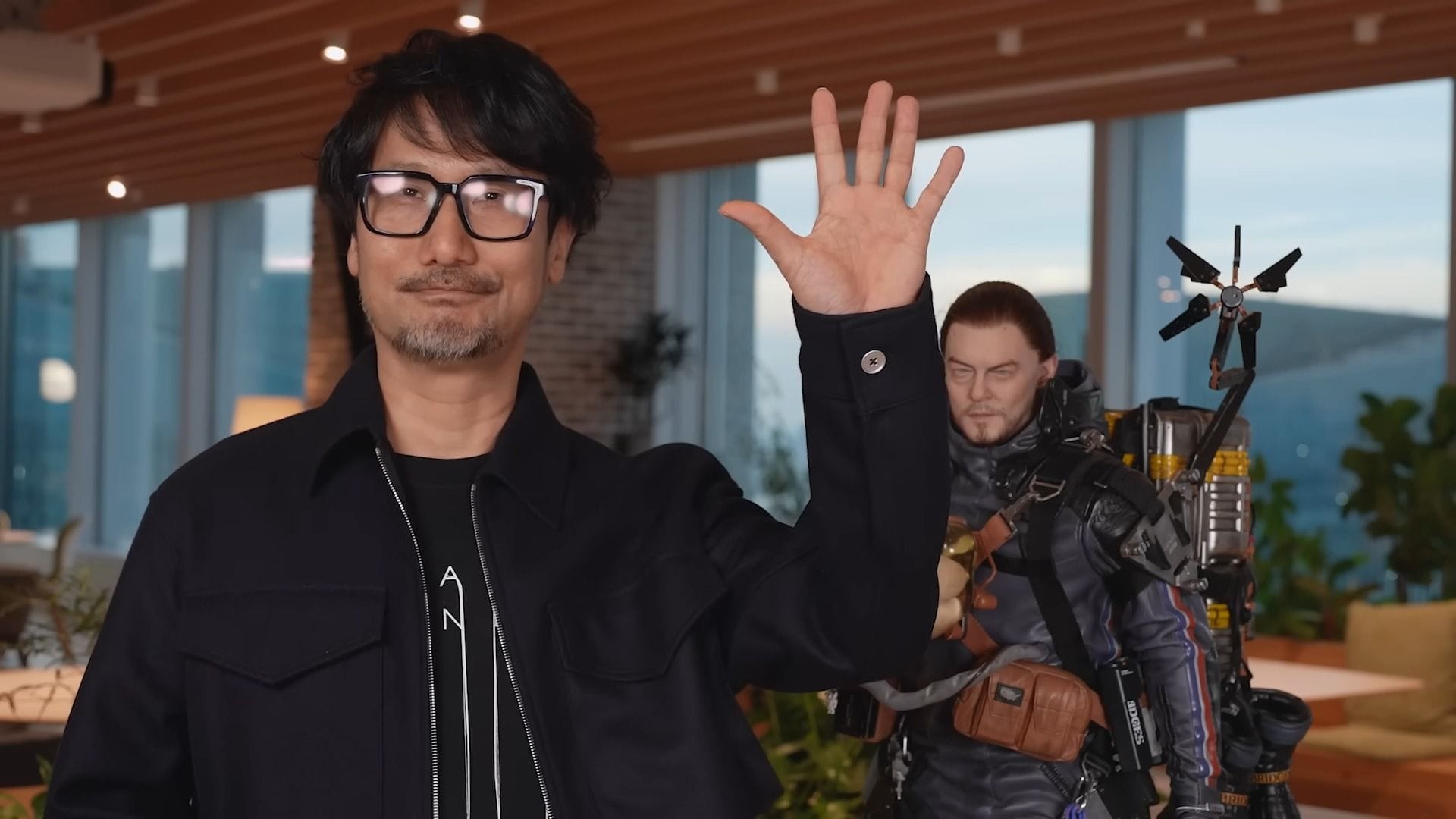
The world of game development is buzzing with the promise of generative artificial intelligence, and now a new tool is entering the fray: Unity Spark. This innovative system aims to streamline the often daunting process of creating a game prototype, allowing users to translate a mere idea into a tangible working model through simple prompting.
But as with many technological leaps, the arrival of shortcuts immediately sparks a debate among industry veterans. Unity CEO Matt Bromberg is quick to temper expectations, emphasizing that while AI can accelerate the process, it should not replace the essential creative journey. When asked about the power of the technology, Bromberg offered a sobering perspective: “Asking the AI to reproduce a game that has already been made does not make you Hideo Kojima,” he declared.
The message extends beyond famous creators. Bromberg noted that typing the first paragraph of a classic novel into a word processor doesn’t turn you into a master of literature. He argues that true development—the kind that yields meaningful results—is rooted in the creative process itself, and there is no way to bypass that crucial step, regardless of the technology available.
Despite this caution, the temptation for speed is undeniable. The tagline associated with Unity Spark is “Prompt it. Perfect it. Publish it,” suggesting a fast track to launching a game. Users can utilize the tool, which draws from premade assets in the Unity Store, to rapidly build an asset flip, albeit one that may lack unique visual identity.
While Unity doesn’t advocate for “one-shotting games,” the tool is clearly designed to cater to beginners who wish to realize their concepts quickly. This creates a tension between the desire for immediate results and the need for deep, foundational skill acquisition. The core question remains: does using AI to accelerate creation risk bypassing the essential problem-solving skills necessary for true mastery?
This philosophical debate echoes wider concerns within the creative community. Even legendary figures like Hideo Kojima have voiced caution regarding AI, expressing a desire to ensure that artists and developers remain central to the creative landscape, rather than being replaced by algorithms.
Ultimately, Unity Spark represents an exciting evolution in how game prototypes can be conceived, but it serves as a powerful reminder that technology is merely a tool. The real magic in game development—the innovation, the problem-solving, and the unique vision—will always reside with the human creator, no matter how smart the assistant.
Developers can expect to see projects utilizing Unity Spark land on platforms like Steam and other stores soon after the tool’s official launch.
Buy on Amazon
Credit
