Viral wolf girl sim Family Time ripped off from Steam top 50
The Wolf Pack and the Plagiarism Panic: How a Viral Game Sparked a Copyright Storm
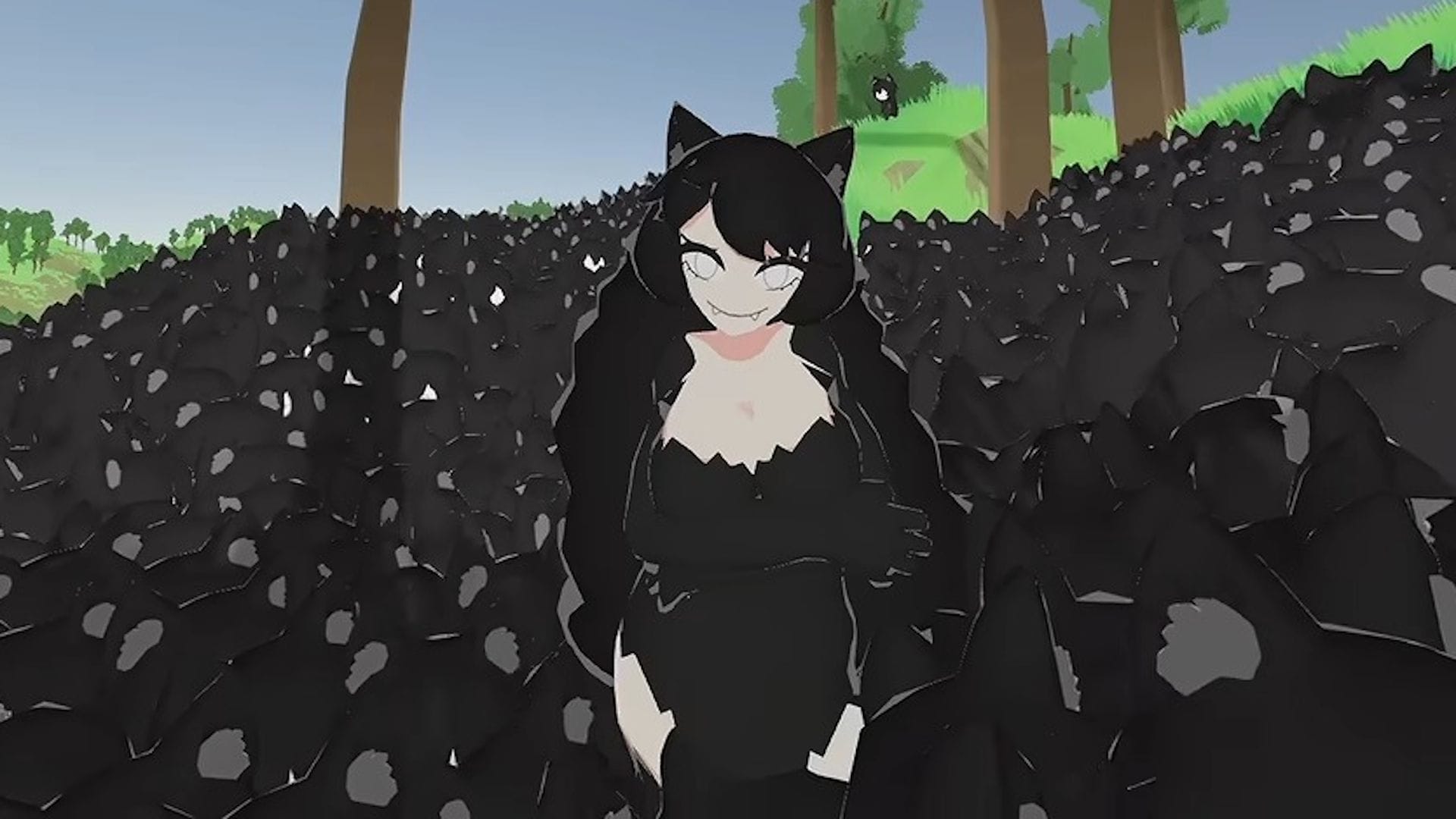
In the unpredictable world of Steam, some games don’t just attract players; they create cultural phenomena. Family Time, a concept revolving around raising thousands of wolf children with one’s wolf partner, was one such game. Its initial release, accompanied by an engaging demo, quickly became a sensation, climbing to the 66th spot on Steam’s wishlists in October. This explosive virality turned the game into a hot topic, but the attention soon shifted from the concept to the copycats that followed.
The original game, developed by sgthale, presented a unique and charming premise: a casual colony simulation where players managed a rapidly growing family of wolf children. The core gameplay balanced resource management—commanding the wolf mother to hunt and build shelters—with the hilarious, inevitable demands of raising an ever-increasing horde of little wolf kids, often punctuated by adorable demands for “uppies.” It was a sweet, if slightly absurd, blend of simulation and wholesome chaos.
This success, however, quickly drew attention to the ethical line between inspiration and infringement. Soon after, another game bearing the exact same title appeared on the Steam marketplace, a near one-to-one ripoff featuring fox children and a similar wilderness setting. This imitation, developed by Hilly Games, did not fly under the radar, immediately triggering a legal response from the original creator.
sgthale swiftly moved to protect his intellectual property, sending a DMCA notice to the copycat developer. The dispute wasn’t just about the name; it centered on the copying of the game’s banner, description, and overall layout. While the copycat attempted to hide behind a claim of freedom to create any family genre game, the response from the original developer was clear: the design and presentation were stolen.
This incident highlights a growing anxiety among independent developers. Amid a recent boom in AI-powered content generation, many creators are becoming increasingly wary of wholesale copying, fearing that low-effort replication threatens the value of their work. This fear is not unique; other viral titles have faced a jungle of copycats that flooded stores like Steam, forcing creators to choose between chasing attention and protecting their creation.
Despite the controversy, the original developer, sgthale, has offered insight into the creative process, revealing that the game utilized AI tools for preliminary stages—creating concept art, prototype textures, and mesh tests—which were then refined by human artists. This shows a complex relationship between technology and creativity in modern game development.
The story of Family Time and its echo in the market serves as a sharp reminder that while trends can create massive waves, the underlying foundations of originality and fair practice remain crucial. As the industry embraces generative AI, the need for robust legal and ethical boundaries around creative work has never been more critical.
Buy on Amazon
Credit
